

20 questions for high school graduates (that aren’t about college)
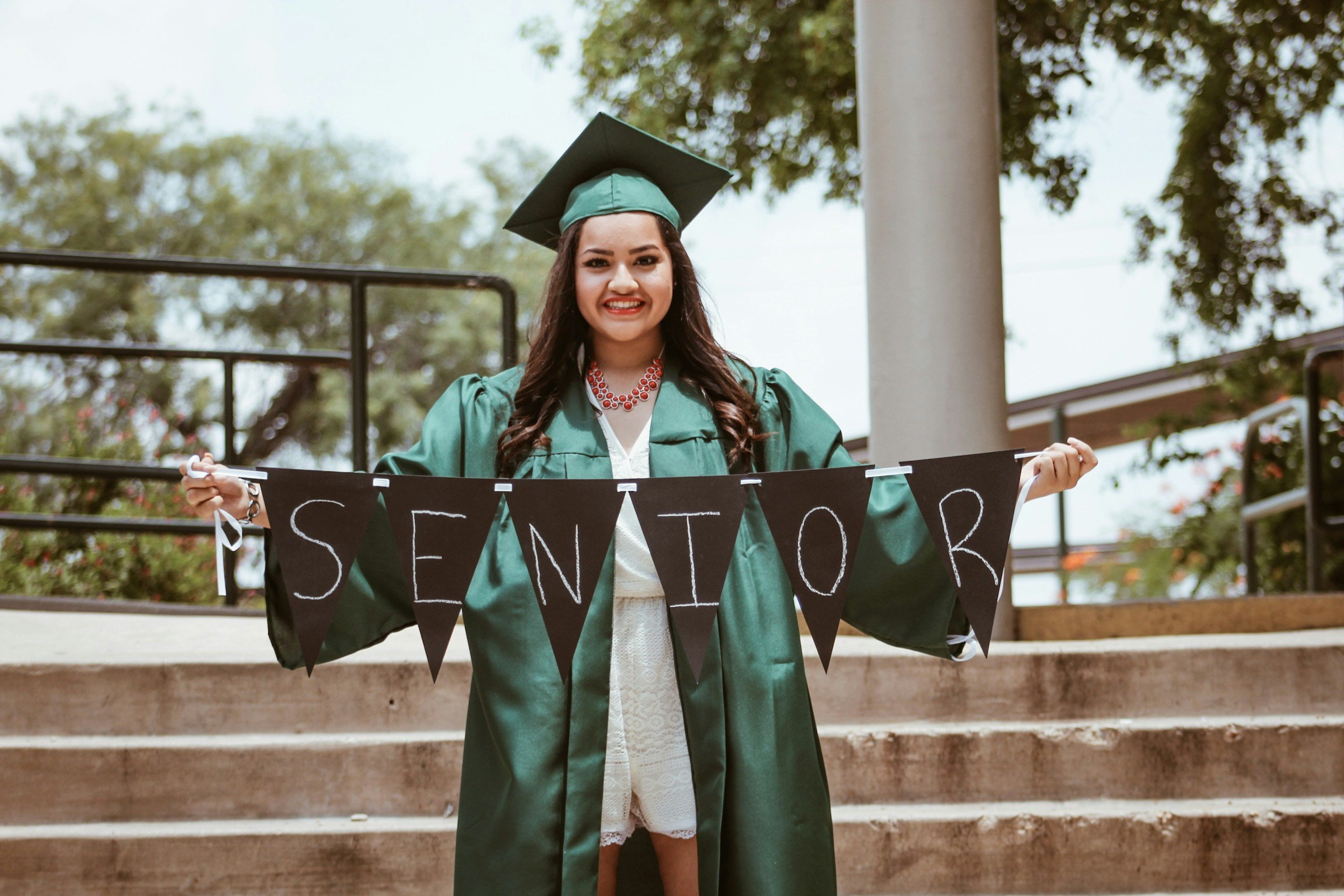
College isn’t the only path to success, and it’s important for the adults in teens’ lives—family members, teachers, coaches, and others—to acknowledge the value of diverse paths that don’t include a four-year degree. Below are 20 questions to ask soon-to-be graduates that celebrate a wider range of options for life after high school.
High school reflections:
Do you have a favorite high school memory?
Which teacher or staff member had the biggest impact on you? Why?
Which peers or friends had really positive influences on you? Why?
What extracurricular activity are you most proud of participating in?
Knowing what you know now, what advice would you give your freshman self?
Looking forward:
What are you most excited about in this next phase of your life?
Do you have any travel plans or adventures on the horizon?
Is there a new skill you're eager to learn or a hobby you want to explore?
Do you plan to stay connected with your friends from high school?
In what ways might you help or care for others, whether it be through service or ordinary acts of kindness
“What are you most excited about in this next phase of your life? What are you most passionate about right now?”
Beyond school:
What are you most passionate about right now?
Is there a cause you'd like to volunteer for or support in the future?
What fictional character or celebrity do you identify with? Why?
What's your favorite book or movie? Why does it resonate with you?
If you could have dinner with any historical figure, who would it be and why?
Just for fun:
Are there any NON-school related movies or books you're excited to dig into?
What’s one dish you’d like to learn how to cook?
If you could have any superpower, what would it be and how would you use it?
What's your dream vacation?
What's the one piece of life advice you wish someone had given you sooner?
Posted by Alison Cashin, Director of Communications
More news and updates
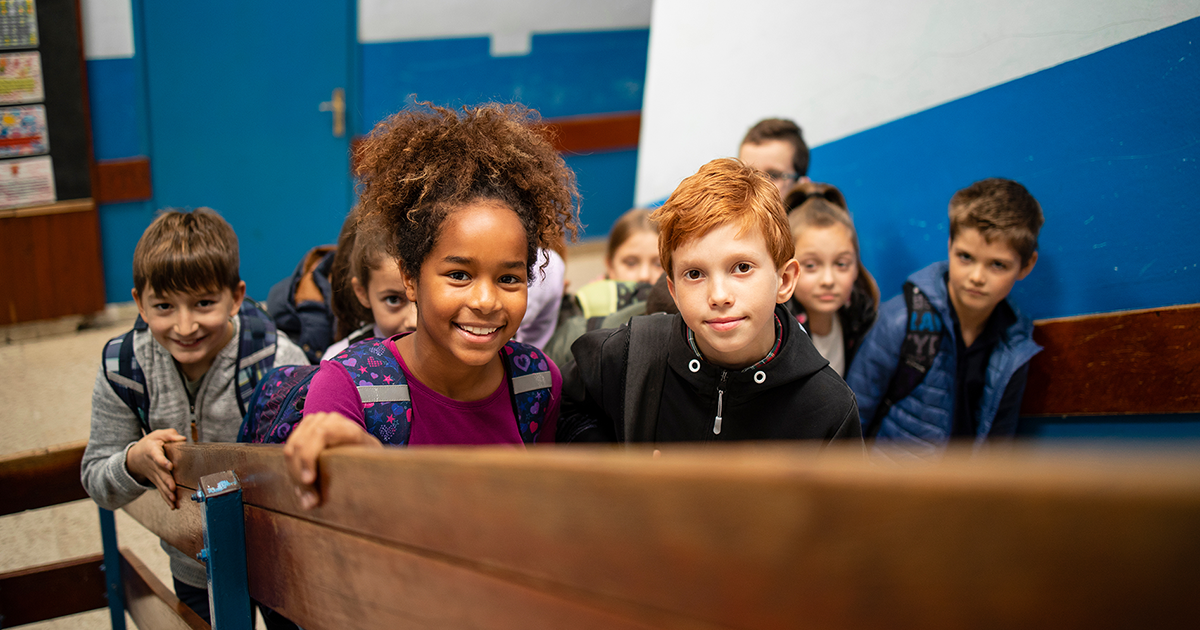
How can parents, caregivers, and teachers start the new school year strong, but not “borrow from tomorrow” in order to make today perfect?
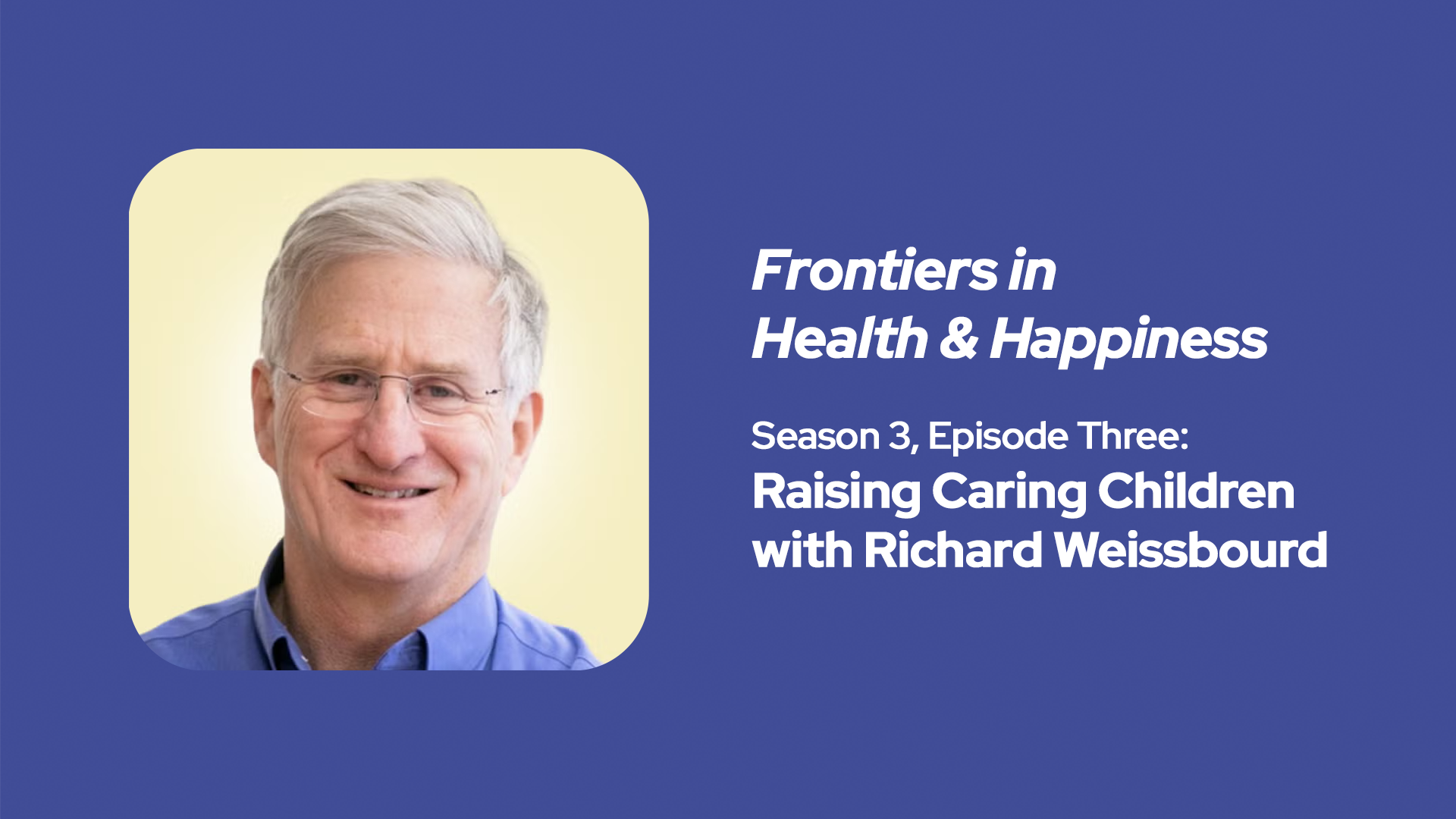
Making Caring Common Faculty Director Richard Weissbourd joins host Ayla Fudala on the Frontiers of Health & Happiness podcast to discuss "how parents, educators, and communities can help young people become caring, moral, and thriving."

Making Caring Common Faculty Director Richard Weissbourd recently spoke with NBC News about the new survey and report, "Gen Z Wants to Do Good: How Helping Others Supports Meaning and Wellbeing," developed in collaboration between Gallup and the Walton Family Foundation.
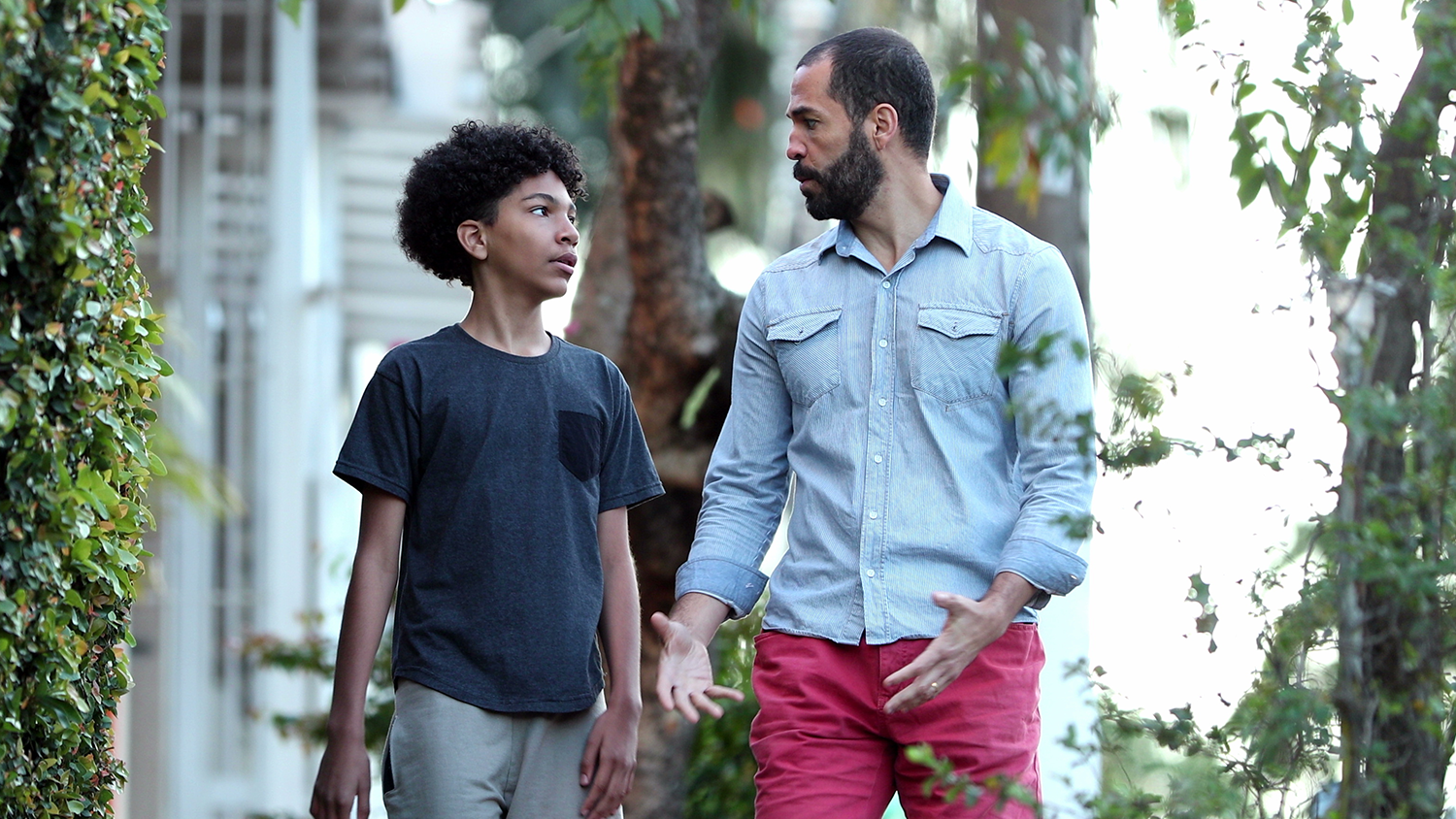
Parents thoughtfully sharing about their own mental health challenges can also encourage teens to open up about their struggles and alleviate the stigma they may feel about anxiety and depression.

There may, in fact, be nothing more important in a child’s life than a positive and trusting relationship with a caring adult. Michael McLaughlin, Making Caring Common’s Schools & Parenting Programs Manager, explores how Intentionally and strategically building these types of relationships at your school can boost students’ academic and social-emotional capacities and even transform lives.

Kiran Bhai, MCC’s Schools & Parenting Programs Director, shares four ways in which each of us can use the late winter to reflect on what matters most, especially our relationships, and get creative about how to nurture connection during these quieter, and sometimes more challenging months.

Making Caring Common’s Milena Batanova and Kiran Bhai discuss with Melissa Higgins, Vice President of Programs and Exhibits at Boston Children's Museum, what empathy means for children and the science-backed strategies for nurturing compassion at home and in schools.

Making Caring Common’s Richard Weissbourd and Kiran Bhai contributed to the piece, “How Children Learn to Be Good,” for The Harvard Gazette, sharing how research indicates that both children and adults have a great capacity for moral growth.

Milena Batanova, MCC's Director of Research & Evaluation, joined an incredible group of panelists for a discussion about loneliness, how technology both helps and harms connection, and what it takes to build meaningful relationships.

Making Caring Common Faculty Director Richard Weissbourd joins host Jennifer White and fellow guests on the NPR show 1A to explore the connections between caring and mental health, as well as the value of caring for the collective good.

MCC Director Richard Weissbourd speaks with host Chris Duffy on TED’s “How to Be a Better Human” podcast, providing a distillation of his unique point of view and Making Caring Common’s mission, along with thoughtful, practical advice for parents and those who care for children and young people.

MCC’s Youth Advisory Board is a diverse group of high school students from across the country who are committed to making schools more caring and respectful places through everyday interactions

Join Making Caring Common for this free one-hour webinar for school counselors, in which participants will learn about recent research conducted on the school profile with admission officers and counselors, as well as practical suggestions and concrete tools for building effective school profiles.

If you’re weighing whether or not to apply or considering what to include in your application responses, Making Caring Common’s current Youth Advisory Board members have some advice for you!

Milena Batanova, Making Caring Common's Director of Research & Evaluation, shares with Where Parents Talk host Lianne Castelino what MCC's research reveals about the loneliness epidemic in the U.S. and its impact on young people's mental health and overall wellbeing.

The New York Times Opinion Columnist and author David Brooks attended a recent Making Caring Common convening and wrote about his experience and insights in “The Character-Building Toolkit.”

Making Caring Common’s research shows that when parents’ and schools’ day-to-day messaging stresses children’s achievement and happiness over caring, this hyperfocus not only makes children less likely to think of others and the collective, but also compromises both their achievement and happiness. Making Caring Common Director Richard Weissbourd shared how parents and educators can close this gap and better help young people find purpose and meaning in their lives.
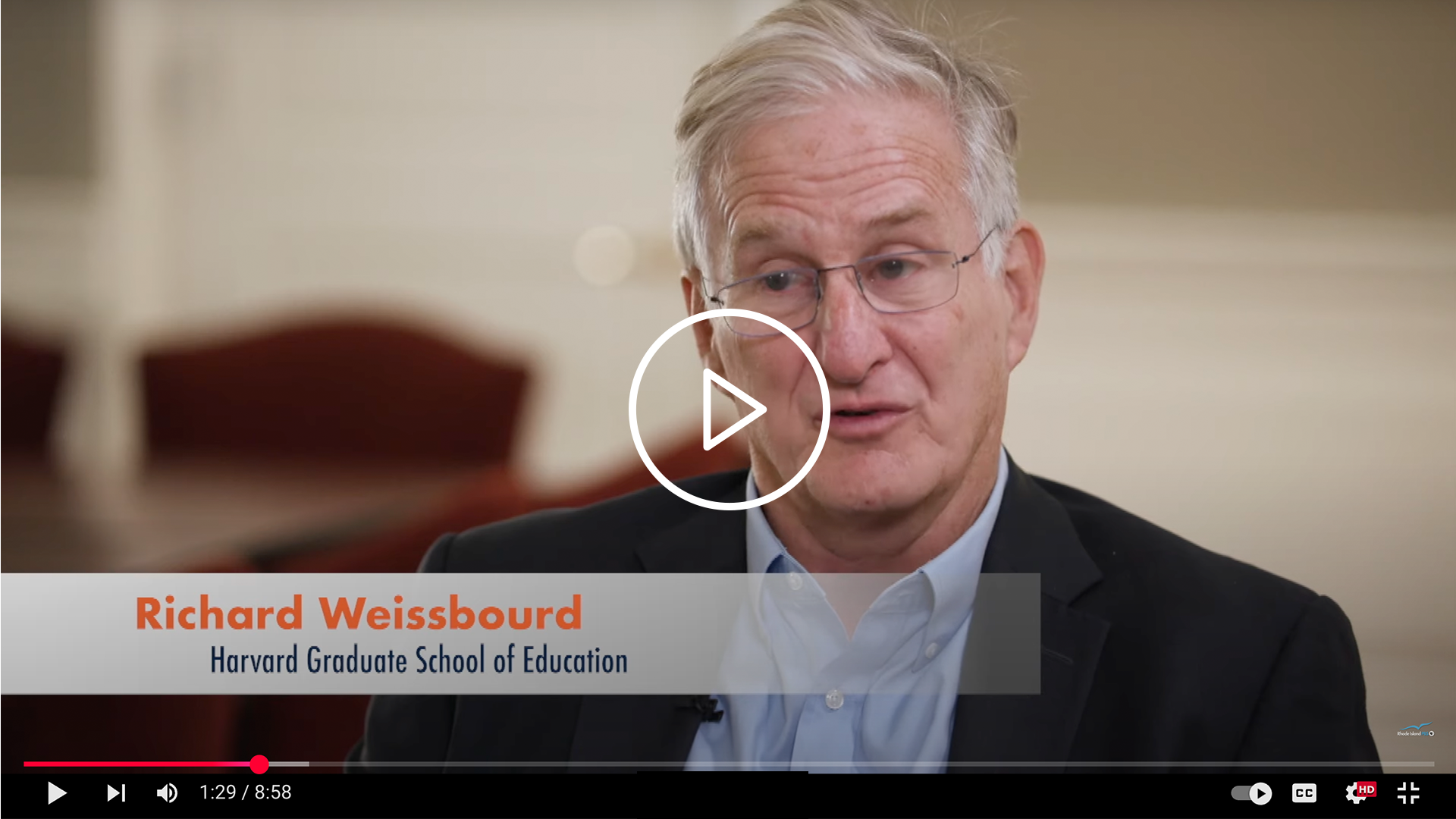
PBS Rhode Island recently spoke with Richard Weissbourd, Director of Making Caring Common, to learn more about loneliness amongst young adults and profile an innovator seeking changes in how people connect with one another.

Vox’s Allie Volpe spoke with Making Caring Common Director Richard Weissbourd and other experts to explore the challenges of “Nostalgia-focused guidance” on loneliness, along with practical steps based in modern realities.

Is true change possible? And how can change in our lives lead to either disillusionment or flourishing? Making Caring Common’s Richard Weissbourd and other guests recently discussed the topic on the Harvard Thinking podcast, hosted by Samantha Laine Perfas.
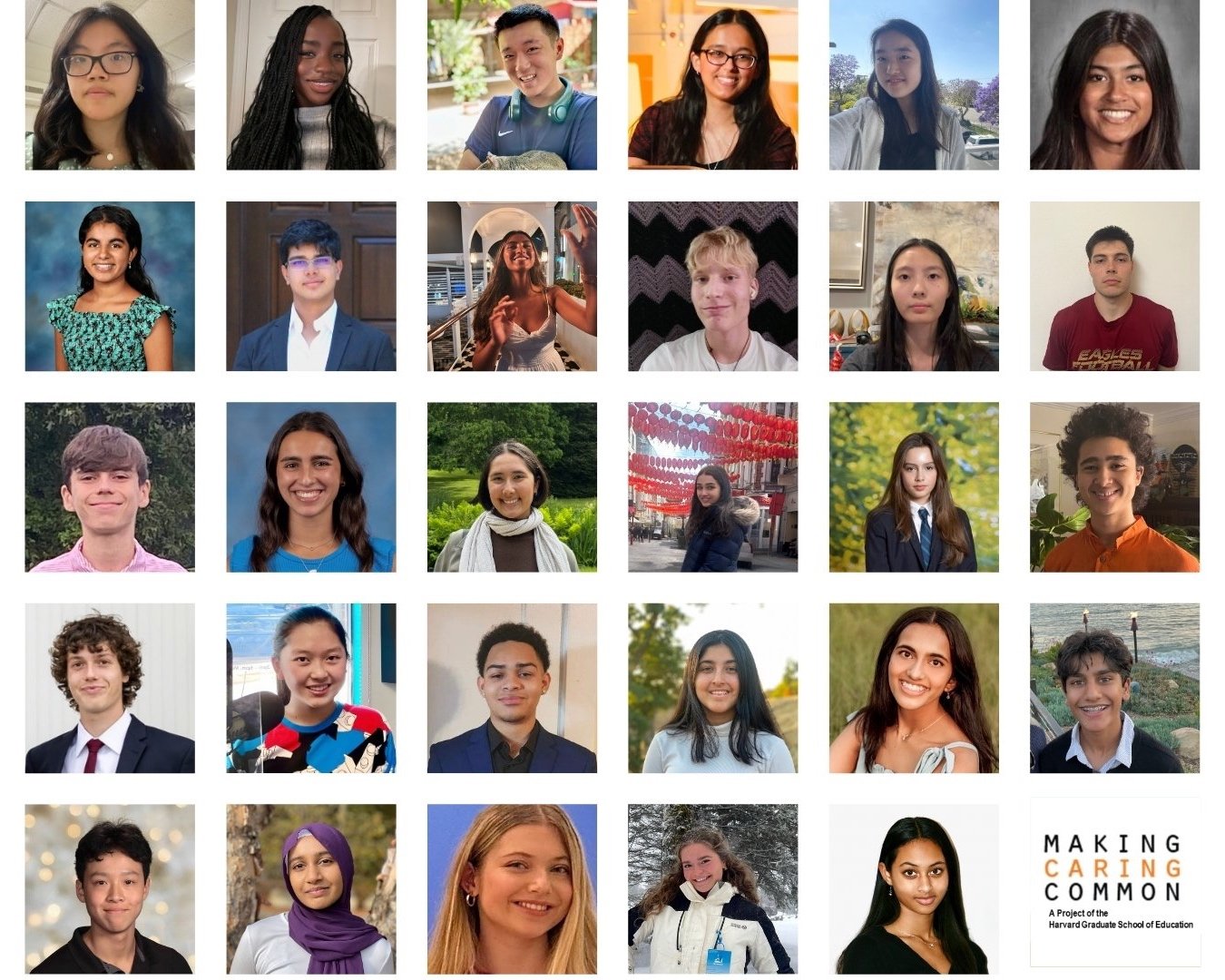
Our 2024-2025 Youth Advisory Board represents a diverse group of young people who will work with Making Caring Common to make schools and communities more just, caring, and respectful places.
Taking someone else’s vantage point can be mentally taxing. Upholding empathy as a social norm motivates people to make the effort. Scientific American visits one of the schools from our Caring Schools Network to explore further.

Parent-Teacher conferences offer the opportunity to build a supportive, collaborative relationship with your child’s teacher and bring up any questions or concerns you might have about your child’s academic, social, and emotional development. Use these four tips to foster a strong community around your child’s education and well-being, as well as to foster a compassionate partnership with your child’s teacher.

Is it possible to cure the loneliness epidemic? Michael Smerconish talks to our Director Richard Weissbourd to find out.

They’re more depressed, more anxious, and lonelier than any other age group in America—but their distress has gone widely unnoticed, writes Faith Hill. She cites our On Edge report and speaks with Director Rick Weissbourd for this piece in The Atlantic.

They’re more depressed, more anxious, and lonelier than any other age group in America—but their distress has gone widely unnoticed, writes Faith Hill. She cites our On Edge report and speaks with Director Rick Weissbourd for this piece in The Atlantic.

Matthew Shaer investigates the roots of loneliness--including MCC's forthcoming research--in this New York Times Magazine piece.

Navigating and understanding emotions is a journey, and giving your child the space and language to express themselves can help them navigate the ups and downs of life in the future.

A Relationship Map is a visual tool that helps children identify the adults at school who can offer support and guidance. By creating this map together, parents and caregivers can empower children to feel confident and prepared to tackle any challenges that may come their way.

The home stretch of summer has begun, and for many kids, school may be starting in just a week or two. The end of the summer can bring many emotions (for kids and parents alike), and the best way to support kids in feeling safe and secure with a big transition is to feel comfortable with it yourself. One of the most important parts of navigating this busy time lies in thoughtful preparation. These three tips can help parents and caregivers confidently step into a new school year, ease the stress, and tune into feelings of excitement for a new chapter.