Educators – Programs + Resources
Programs and Resources for Educators

Provide students with the highest level of care and connection.
As educators, we want every student in our schools to feel cared for and develop the skills they need to care for themselves and others—creating a more caring, fair world.
But there’s a lot that gets in the way. Especially these days.
Rooted in decades of research and experience, Making Caring Common empowers educators to create schools that cultivate empathy, caring relationships, and the commitment and skills to advance fairness.
Solutions for Educators
Caring Schools Programs

Caring Schools Programs help transform your school into a community. Improve student relationships, and help students develop empathy and advocate for others, especially those that are different from them.
Teen Mental Health programs

Teen Mental Health Programs help middle and high school teens increase their mental health literacy, learn skills to improve their own mental health, and create a school where students support one another.
Student Purpose Initiative

MCC’s Student Purpose Initiative helps U.S.-based high schools use new resources, including a step-by-step guide and direct support from the Making Caring Common team, to foster meaning and purpose in students.
Relationship Mapping Resources

Relationship Mapping Resources ensure every student has a positive, trusting relationship with at least one adult. Identify students in need of connections and empower teachers and leaders to build a more inclusive and connected school community.
ADDITIONAL RESOURCES FOR EDUCATORS [see all]
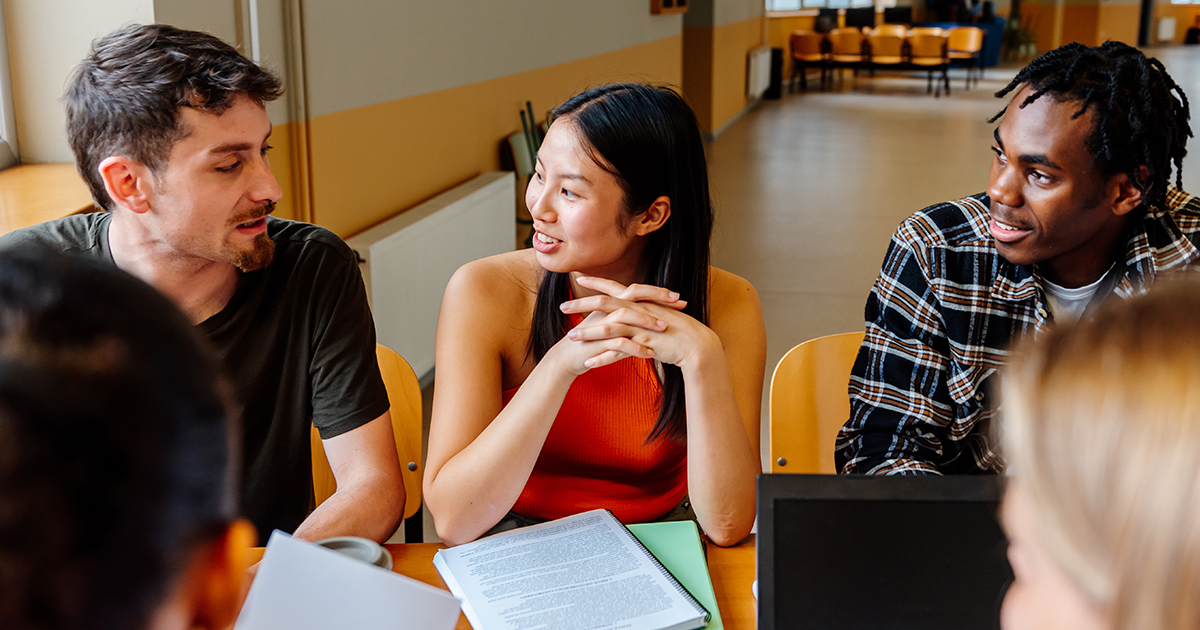
Making Caring Common’s Youth Advisory Board is a diverse group of high school students from across the country who are committed to making schools more caring and respectful places. Members guide MCC’s understanding of some of the most pressing moral issues and social challenges of their peer groups, including bullying and exclusion. The YAB provides feedback on our ideas, shares their thoughts on current events, and makes sure we’re on the right track when communicating information to young people.
This free lesson series helps students reflect on their own connections to the film KPop Demon Hunters, learn how to face challenges that can impact emotions, behaviors, and relationships, and work towards deeper connection with themselves and others.

School profiles are a critical but often overlooked component of students’ college applications. Typically managed by school counselors, profiles provide admission officers with contextual information about an applicant’s high school environment including school demographics, academic and extracurricular opportunities, and student outcomes.
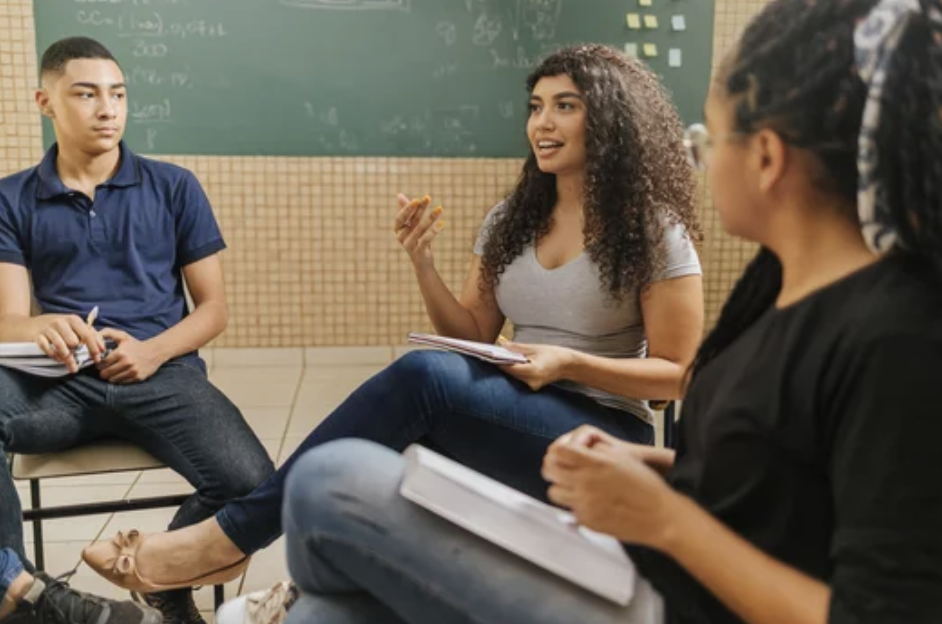
Together with Generation Citizen and Rural Assembly, Making Caring Common developed Navigating Social Issues in the Classroom: A Toolkit for Educators as Community Bridge Builders, a resource for middle and high school teachers and administrators to help them collaboratively prepare students for and engage students in constructive dialogue across their differences.
With this light-lift strategy, students will practice being active, authentic listeners with a partner — listening to make the speaker feel heard and without the need to reciprocate the conversation, but rather, to better understand and communicate with the speaker. By speaking for up to a few minutes, speakers will also get more comfortable sharing about themselves and expressing vulnerability.

Build-It Challenge can be used regularly with students to promote teamwork and communication.
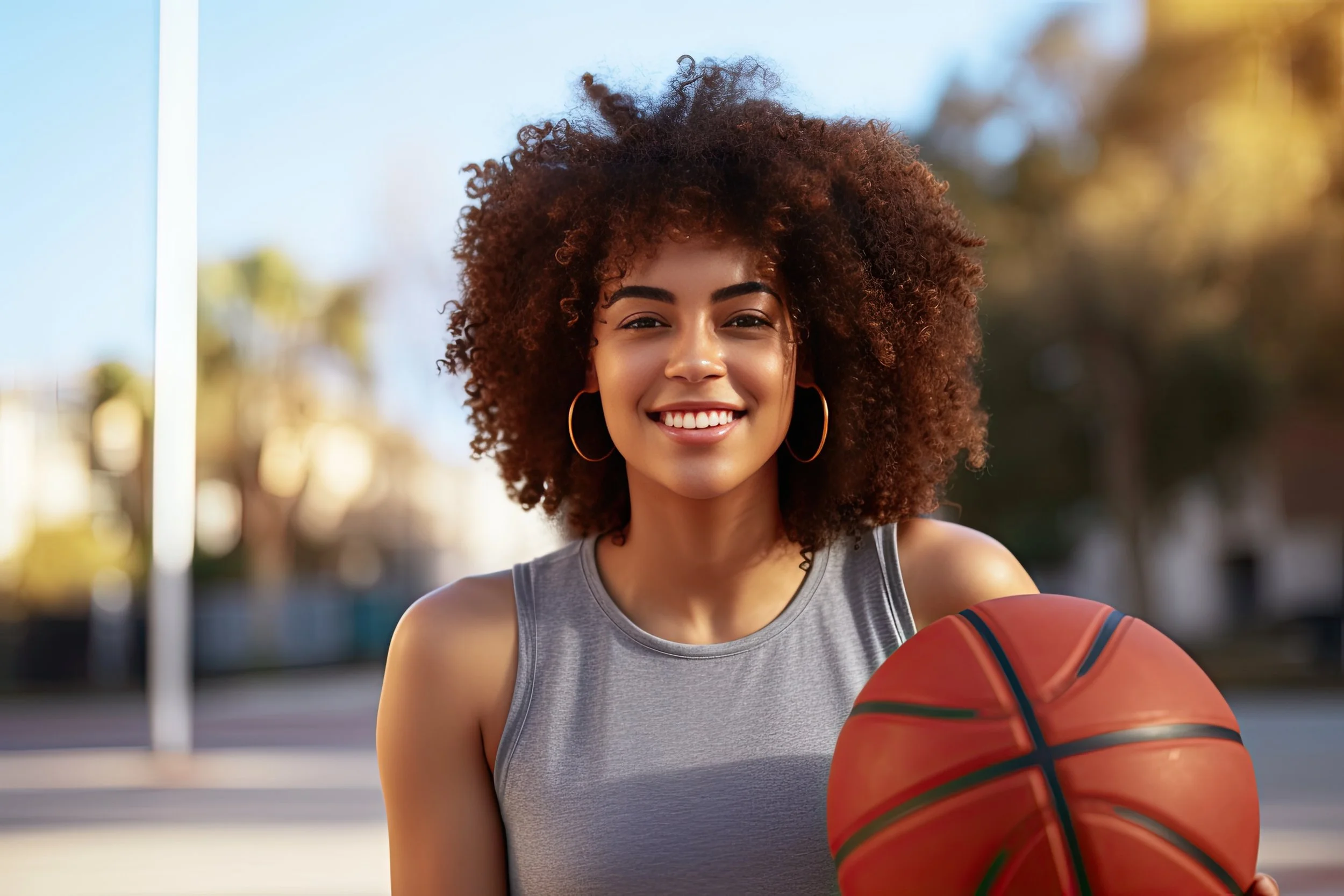
Newsball is a game that can be used regularly with students to build a foundation for the practice and habit of empathy and active listening, while building classroom community.
This document, intended for letter recommendation writers (especially school counselors and teachers), focuses on writing “character-conscious” letters of recommendation.
This resource is intended for high schools that want to share better, more helpful information about student character with college admission offices. It provides high schools with general information and promising strategies regarding character assessment practices.
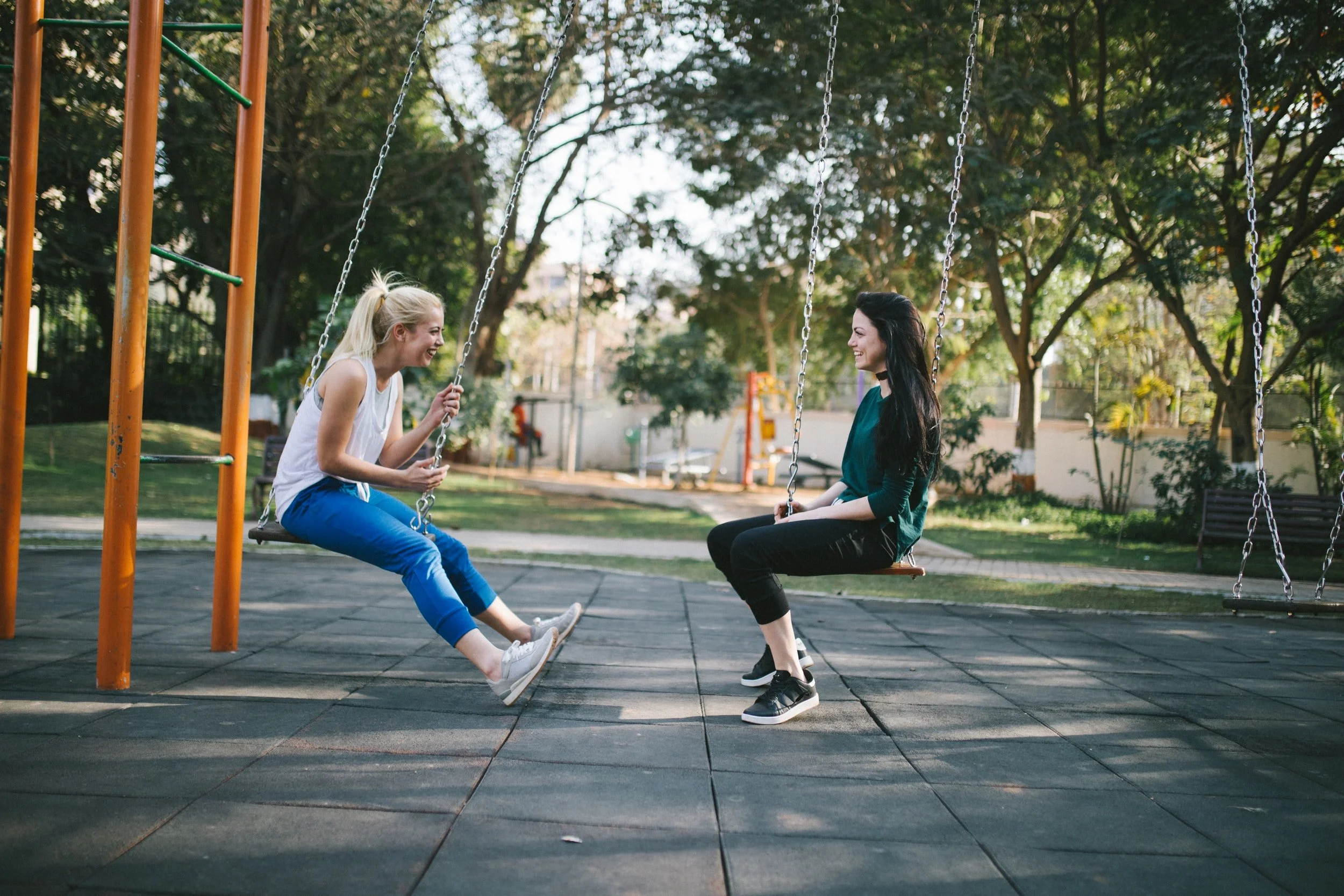
The more students practice active listening, without being in a two-way conversation, the more they’ll come to value showing interest when someone is speaking, trying to understand their thoughts and feelings, and making them feel heard. The personal nature of the listening prompts also sets the stage for student sharing, which can build trust and connection in the classroom.
With this light-lift strategy, students will practice being active, authentic listeners with a partner — listening to make the speaker feel heard and without the need to reciprocate the conversation, but rather, to better understand and communicate with the speaker. By speaking for up to a few minutes, speakers will also get more comfortable sharing about themselves and expressing vulnerability.

With this light-lift strategy, students explore the concept of gratitude through self-reflection and writing thank you notes to people in their lives to recognize things they appreciate about people in their classroom, school, and beyond. Students also engage in activities that encourage them to consider both real and hypothetical situations around the positive things in their lives.

It’s vital that teachers, administrators, and other school adults foster a sense of belonging and community with one another and their students; make informed decisions about what children need to know and understand in order to feel safe; and focus on creating an environment where children can ask the questions that matter to them.
Our classroom check-in survey is a quick, easy, and confidential way for educators to assess student well-being whether they’re in school or learning remotely.

Children and adults alike are predisposed to empathize for those who are in their own social group. Empathy for many different kinds of people is important in its own right and is the basis for children’s developing conceptions of and commitments to fairness and justice. The Circle of Concern strategy is designed to help children — and adults — become more aware of those for whom they don’t have empathy. It is also designed to widen their circle of concern.
This tool is intended to help high school educators reflect on whether—and to what extent—they are creating a healthy college admissions culture and climate.

A healthy, sane college admissions process depends on high schools and parents working together effectively. College counselors are often the bridge between schools and parents and have a crucial role in this collaboration.
This resource is designed to guide counselors in their work with parents. It is designed for school communities where students experience excessive achievement pressure in the college admissions process.
Help your students learn how to prioritize and balance their commitments with this time management lesson plan.
Total time: 1-1.5 hours over 2-3 sessions.

As children get older, they encounter increasingly complex academic, social, athletic, and familial demands on their time which can be difficult to navigate.
Help your students learn how to prioritize and balance their commitments with this time management lesson plan.
Total time: 1-1.5 hours over 2-3 sessions.

This resource is designed for school communities where students experience excessive achievement pressure in the college admissions process. When this pressure gets too great students often suffer anxiety and depression and other mental health troubles. This pressure can also undermine meaningful learning and students’ ability to focus on and care for others.
Below is a template with suggestions for schools to create a compact with parents focused on reducing excessive achievement pressure and creating a healthy college admissions process. This template is intended to be adapted collaboratively between schools and parents based on each school community’s specific needs and culture.

How can high schools shape a college search and application process that promotes rather than undermines ethical character? What are key ways that high schools can reduce harmful achievement pressure and promote equity and access that advance the recommendations in our first Turning the Tide report? We offer the following guideposts.

Caring and compassion are vital, teachable skills with the power to promote tolerance and inclusiveness in our schools, communities, and neighborhoods. This fun, three-part series has been designed to inspire and empower children to be ambassadors for good beyond their immediate friends and family.

To help educators learn how to build empathy in their school communities, Making Caring Common reviewed existing research on empathy and the strategies of evidence-based programs that promote it. Our work shows that there’s more to developing empathy than simply asking students to “walk in someone else’s shoes.” In this resource, you’ll find steps you can take to build real empathy in your students and your community.
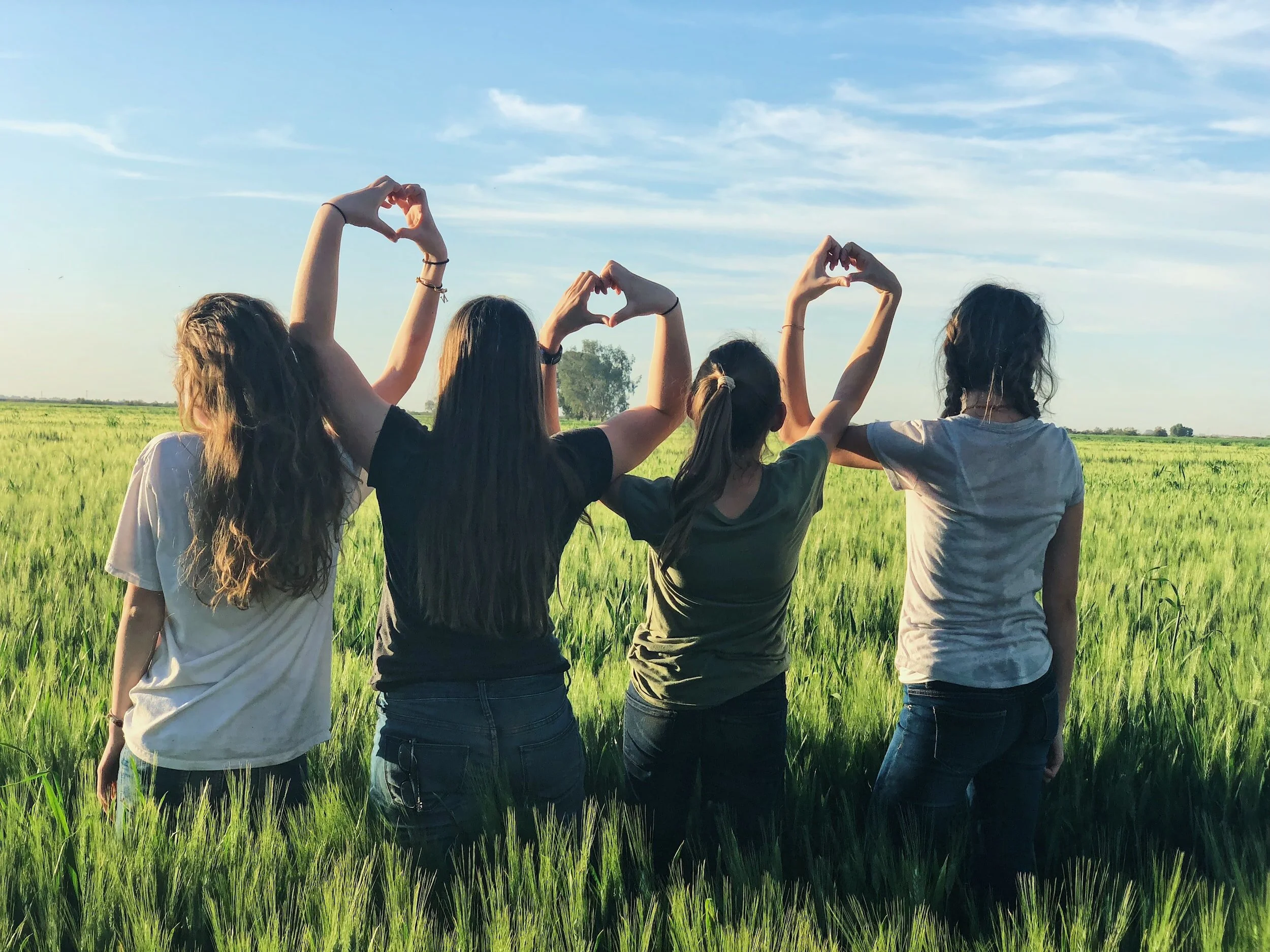
How can we inspire and teach young people to care about and take responsibility for others, to think clearly about and pursue justice, to stand up for important principles?
Research suggests that developing these key moral capacities is not achieved via one-shot class assignments or brief programs but through sustained commitment and reflection within the context of peer and adult relationships. Yet children rarely engage in either substantial ethical activities or reflection, guided by adults who stand for important moral values, or even dialogue about how to live those values day to day.
Shared experiences and rituals can tie together school and community as places that value care and commitment and play a vital part in fostering a moral identity in students. Over the course of a semester or an academic year, the Caring Community Youth Capstone supports young people’s ethical development and builds a positive school culture where young people are responsible for creating a caring community.
The School Climate Committee is a key mechanism for creating positive social norms, for reducing bullying, and for developing more respectful, caring children. It also gives students agency in creating positive social norms.
A growing body of research supports the key role of school culture and social norms in preventing a wide array of social and emotional problems and promoting the development of caring, responsible, and respectful children. As children enter adolescence, they are especially influenced by social norms — by what other teen’s consider important, by how other teens define who is and is not worthy of concern, and by how other teens gain power and respect.
Because students primarily take signals from other students about social norms and what is ethically acceptable, and because students have inside knowledge about social dynamics, it is mainly students—especially acting together—who can change norms. This School Climate Committee strategy is one way to channel student power and influence in their school community.

Discussing gender can be challenging. For some youth, this is an immensely personal or even heated topic that brings up questions of equality and privilege. Others may question whether gender biases even exist. Finally, the idea that biases can be implicit—and discrimination unconscious—may itself be a novel, challenging concept to some teenagers. Fortunately, the payoff in broaching these topics is huge.
By allowing children to explore this topic, share ideas for improvement, and participate in community-building and empathy-promoting activities, you are taking steps towards ensuring that your classroom is a place where everyone is respected, supported, and empowered.

he websites below complement our report Leaning Out and offer useful programs, research, resources, and/or activities to promote girls’ and women’s equity and empowerment. Some of the descriptions listed below have been pulled from organizational websites.

A wide variety of programs and interventions directly or indirectly foster leadership skills in girls, varying extensively in activities, length, and research base. These programs range from classic girls-only activity based programs such as the Girl Scouts and Girls Inc. to more targeted programs and curricula specifically developed to build leadership. Opportunities span a multitude of interests, many representing increasing efforts to engage girls in fields in which women continue to be underrepresented (e.g. STEM, public office).
Given the wide variety of programs and interventions that foster leadership skills in girls and the limited research on efficacy, it can often be challenging to select a program. Based on research and the wisdom of practitioners, and based in part on recommendations from the Girl Scout Research Institute, we have created the following easy to-use guide to help parents and educators identify high quality girls’ leaderships programs.

Gender biases and/or discrimination is surprisingly common in many schools and sometimes happens beneath school staff’s radar. As adults, we can shed light on these important topics that often go undiscussed at school. These discussions can be challenging. For some youth, this is an immensely personal or even heated topic that brings up questions of equality and privilege. Others may question whether gender biases even exist. Finally, the idea that biases can be implicit—and discrimination unconscious—may itself be a novel concept to some teenagers.
Fortunately, the payoff in broaching these topics is huge. By allowing children to explore this topic, share ideas for improvement, and participate in community-building and empathy-promoting activities, you are taking steps towards ensuring that your classroom or school is a place where everyone is respected, supported, and empowered.

This webinar from Share My Lesson explores our report The Talk: How Adults Can Promote Young People’s Healthy Relationships and Prevent Misogyny and Sexual Harassment, which highlights these issues and offers insight into how adults can begin to have meaningful and constructive conversations with young people to promote healthy relationships and prevent misogyny and sexual harassment in their lives.
Note: Registration is free and the webinar may fulfill one hour of PD credit.

The following is a partial list of resources for educators interested in preventing misogyny and sexual harassment.
These resources offer useful activities, information, websites, and/or programs/curricula. We’ve tried to identify key resources, but there are a vast number of resources on these various topics, and we surely missed some. We also want to underscore that while we think each of the identified resources contains valuable information, we do not endorse all the recommendations/views in these resources. Some of the resource descriptions listed below have been pulled from organizational websites.

Many teachers have heard or seen students saying things that are misogynistic, objectifying, insensitive, or disrespectful based on gender, sexuality, or sexual orientation. Because these comments may catch us off guard and are often sensitive in nature, many adults struggle to know what to say in the moment. By thinking through and practicing our responses in advance, we can be prepared the next time we hear these comments in our schools.
Below are practice scenarios for teachers based on real-life student conversations and interactions. These scenarios can be reviewed by individual teachers or as part of a professional development program. It may be particularly powerful for teachers to work in pairs or small groups to discuss and practice potential responses.

This audit is intended to help educators reflect on the policies and practices of their school related to young people’s healthy romantic relationships, misogyny and sexual harassment, and assault. It is intended to help you answer these questions: Are we doing what is needed to prevent harassment and promote healthy relationships? What more could we do? Please answer each of the following questions about your school by checking “yes,” “no,” or “I’m not sure.” Please also reflect on the “evidence” for your answer—“how you know” the answer or what the answer “looks like” in your school.