

Media room
Welcome!
Members of the Making Caring Common team are available for interviews and other media opportunities. Areas of expertise include (but are not limited to):
Bullying
Caring and empathy
Character
College admissions
Gender bias
Mental health and loneliness
Moral development
Parenting
School-based strategies and interventions
Sexual harassment and misogyny
Social-emotional learning (SEL)
Please email your request to mcc@gse.harvard.edu and indicate your outlet, topic of interest, deadline, and contact information. A member of our Communications team will get back to you as soon as possible.
Media room

Welcome!
Members of the Making Caring Common team are available for interviews and other media opportunities. Areas of expertise include (but are not limited to):
Bullying
Caring and empathy
Character
College admissions
Gender bias
Mental health and loneliness
Moral development
Parenting
School-based strategies and interventions
Sexual harassment and misogyny
Social-emotional learning (SEL)
Please email your request to mcc@gse.harvard.edu and indicate your outlet, topic of interest, deadline, and contact information. A member of our team will get back to you as soon as possible.
Featured coverage

The Washington Post’s Amy Joyce began editing the On Parenting column 10 years ago. Here are her top five takeaways from her decade as a parenting editor.

LAUSD’s 3rd Street Elementary is using MCC’s Caring Schools Network program to build a caring, inclusive school community.

This segment from Good Morning America explores how one mother and daughter work together to manage their mental health and create a supportive environment for each other.

“When you’re a kid, you’re sold on the American Dream where you get a house, partner, dog and kids...that’s not realistic for most of us." Read more from The Washington Post in this piece about MCC’s On Edge report.

Good Morning America takes a closer look at MCC’s On Edge report showing that adults ages 18 to 25 are nearly twice as likely as teenagers to suffer from anxiety and depression.

Good Morning America takes a closer look at MCC’s On Edge report exploring the critical link between parent and teen mental health.

This CNN interview with MCC’s Rick Weissbourd about the link between parent and teen mental health has one key takeaway: the best way to improve family mental health is to start talking.

Time Magazine takes a look at Making Caring Common’s data on the critical link between parent and teen mental health.

“If we really want to understand what is going on with teens, we have to understand them in the context of their families," MCC's Rick Weissbourd tells Good Morning America. "One crucial way we can support teens is by supporting their parents."
Click through to read more about the critical link between parent and teen mental health, along with five tips for promoting parent and teen well-being.

"Compounded over months and years, loneliness can gradually become a self-fulfilling prophecy. And when the emergency sirens are already blaring, it can be difficult to make the changes necessary for a more fulfilling life."
How do we begin to treat the loneliness epidemic? This thoughtful essay in The New York Times offers some ideas.

“We can’t really understand what’s going on with teens if we don’t understand what’s happening in their families," MCC's Rick Weissbourd tells The Washington Post.
Read more about our new report showing high rates of anxiety and depression in parents of teens.

USA Today’s Nada Hassanein checked in with MCC’s Rick Weissbourd for this piece about the U.S. Surgeon General’s May 2023 advisory about loneliness and mental health.

“Probably our most effective way to reduce loneliness is if we take more care of the people in our lives,” MCC's Rick Weissbourd said in response to the U.S. Surgeon General’s May 2023 advisory on how loneliness negatively affects mental health. Read more in The Washington Post.

In this article, Washington Post writer Petula Dvorak quotes MCC’s Rick Weissbourd and calls on adults to do more to support teen girls. She suggests that we can start by listening to them, believing them, and empowering them.

This piece in TIME by MCC's Rick Weissbourd and Senator Chris Murphy challenges us to think about how we can balance individual autonomy and the common good and calls for a renewed commitment to community and collaboration to address the issues we face today.

In this New York Times piece, Claire Cain Miller cites MCC’s 2020 report on fatherhood and explores how some dads have stayed more engaged in family life since the pandemic.

In this Wall Street Journal essay, Jennifer Breheny Wallace checks in with MCC’s Rick Weissbourd about our forthcoming research suggesting that far more teens feel comfortable talking to their mothers than their fathers about mental health challenges.
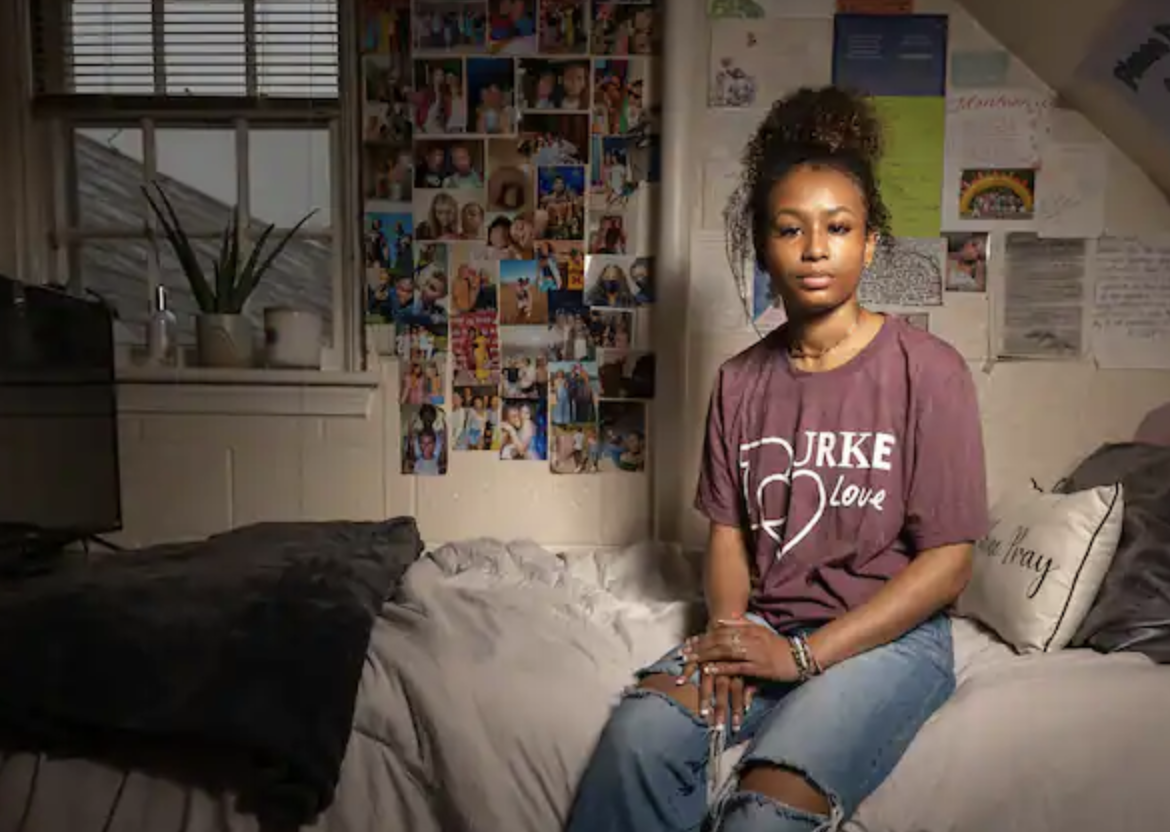
Parents and the public have been shocked by the disturbing revelations in a new CDC report about the widespread prevalence of feelings of intense sadness, suicidal ideation, and sexual violence experienced by teenage girls. The Washington Post’s Donna St. George spoke with MCC’s Rick Weissbourd about some of the reasons behind the crisis.

Los Angeles’ KTLA reports from LAUSD’s Third Street Elementary School, which is piloting MCC’s Caring Schools Network program.
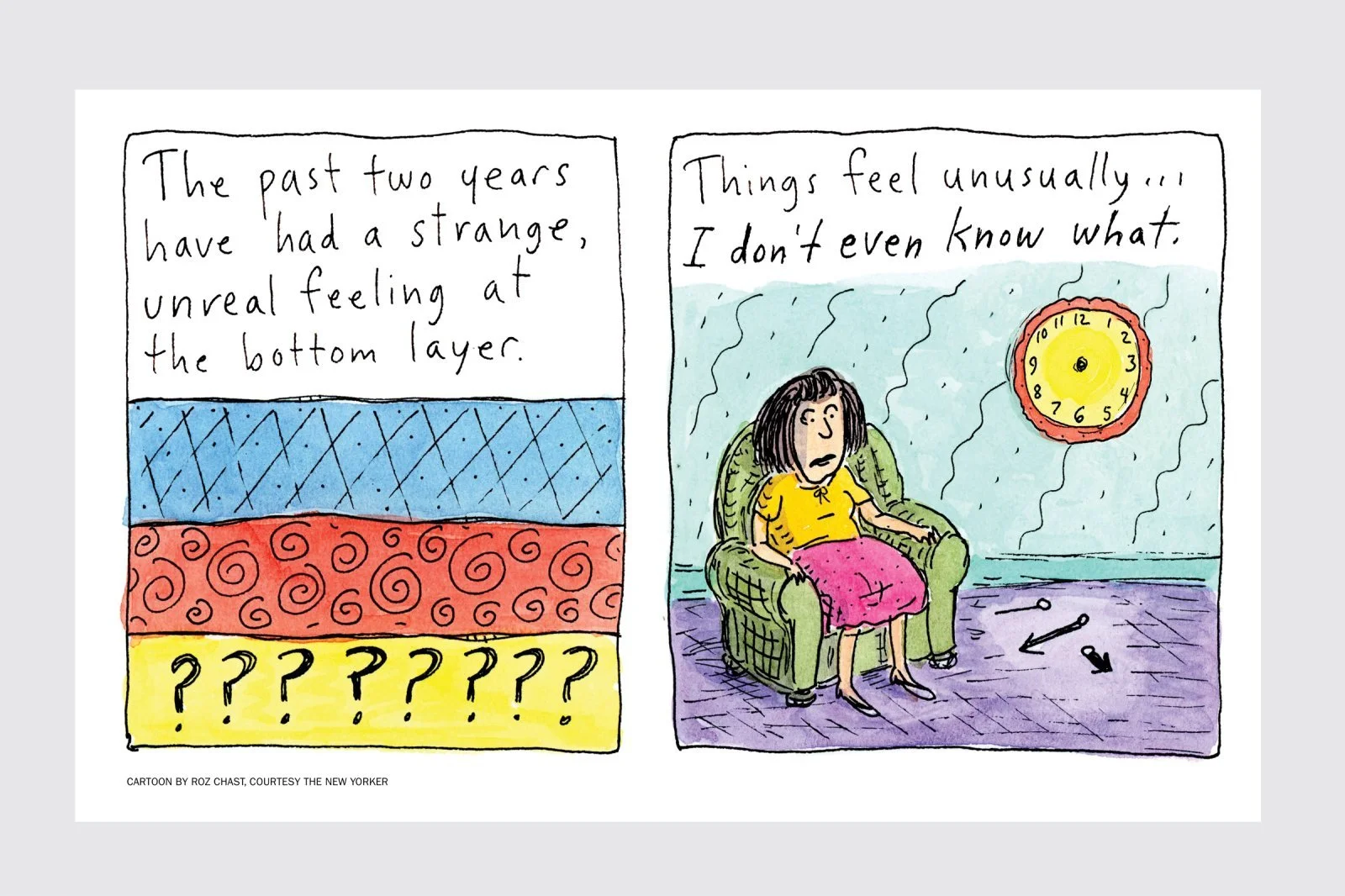
Why does it feel so hard to care right now? TIME’s Lily Rothman speaks with MCC’s Rick Weissbourd about “the harder forms of caring” and how race and class have informed people’s experiences of loneliness over the last two years.

“‘Covid made more people lonely and made lonely people lonelier,’ Harvard psychologist Richard Weissbourd says. He blames increased social isolation and pandemic-related anxiety, grief and depression, which often fuel each other.’
Read more about the prevalence of loneliness in our culture and steps to address it in this Washington Post piece by Steven Petrow.
Contact
mcc@gse.harvard.edu