

How the Pandemic is Strengthening Fathers' Relationships with Their Children

June 2020
Is the global pandemic bringing fathers closer to their children?
Our research suggests that almost 70% of fathers across race, class, educational attainment, and political affiliation in the United States feel closer to their children during the coronavirus pandemic.
Despite the considerable challenges many families faced during the pandemic, one silver lining appears to be the strengthened relationships between fathers and children. Large numbers of fathers reported:
Having more meaningful conversations with their children
Getting to know their children better
Sharing more with their children about their own lives
Appreciating their children more
Discovering new, shared interests with their children
Read our report to learn more about the experiences of fathers during this unprecedented time.
Authored by Richard Weissbourd, Milena Batanova, Joseph McIntyre, and Eric Torres
Note: While the report focuses on dads in general, we want to underscore that parents in families that are widely varying in terms of structure, gender identity, sexual orientation, and many other characteristics may also be more closely involved with children during the pandemic given that they are more likely to be spending time at home with their children. We intend to explore and report on many of these variations as part of our ongoing work on family experiences during the pandemic.
“What we’re seeing here is that fathers, many of whom had previously been consumed by their work or absent from their households, have developed a new sense of closeness to their children during the pandemic.”
Key findings
68% of fathers report feeling closer or much closer to their children since the pandemic. (20% report feeling much closer, 48% report feeling closer, 31% report no change in their closeness to their children, and just over 1% report that they feel less close or much less close.)
57% of fathers report that they are appreciating their children more. (37% report no change.)
54% of fathers report that they’re paying more attention to their children’s feelings. (42% report no change.)
52% percent of fathers report that their children are talking to them more often about “things that are more important to them.” (40% report no change.)
51% report that they’re doing more activities with their children based on their children’s interests. (41% report no change.)
Note: For findings 2-5, a small percentage of fathers indicated that the statement about their interaction or relationship with their child(ren) was “not true,” implying that their level of each type of interaction had either stayed the same or decreased.
Read more in the full report (PDF).
Related reading
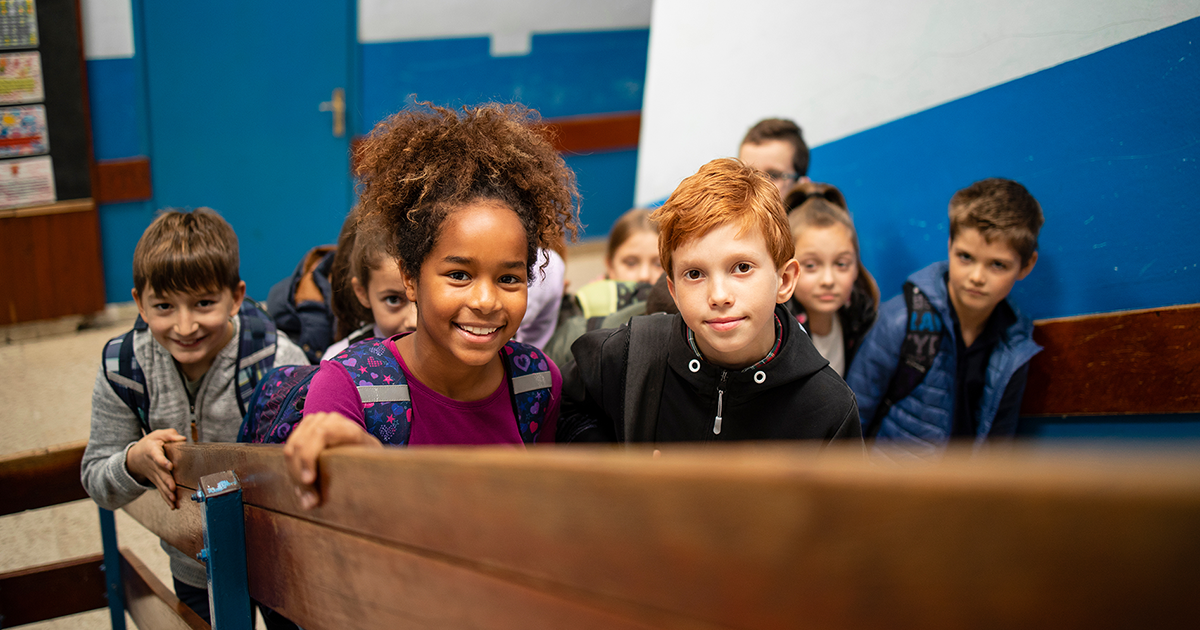
How can parents, caregivers, and teachers start the new school year strong, but not “borrow from tomorrow” in order to make today perfect?
Making Caring Common Faculty Director Richard Weissbourd joins host Ayla Fudala on the Frontiers of Health & Happiness podcast to discuss "how parents, educators, and communities can help young people become caring, moral, and thriving."

Making Caring Common Faculty Director Richard Weissbourd recently spoke with NBC News about the new survey and report, "Gen Z Wants to Do Good: How Helping Others Supports Meaning and Wellbeing," developed in collaboration between Gallup and the Walton Family Foundation.
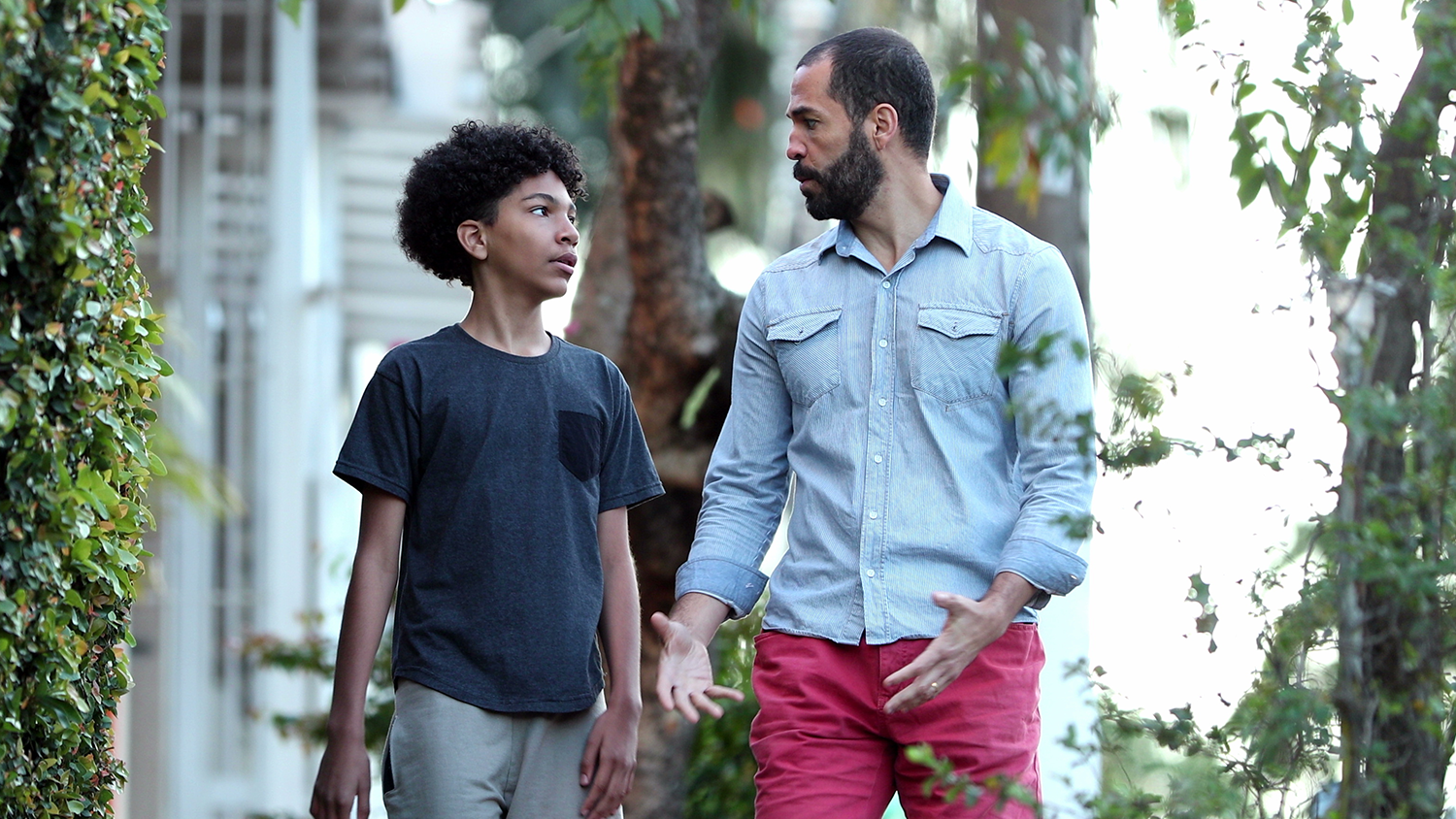
Parents thoughtfully sharing about their own mental health challenges can also encourage teens to open up about their struggles and alleviate the stigma they may feel about anxiety and depression.

Kiran Bhai, MCC’s Schools & Parenting Programs Director, shares four ways in which each of us can use the late winter to reflect on what matters most, especially our relationships, and get creative about how to nurture connection during these quieter, and sometimes more challenging months.

Making Caring Common’s Milena Batanova and Kiran Bhai discuss with Melissa Higgins, Vice President of Programs and Exhibits at Boston Children's Museum, what empathy means for children and the science-backed strategies for nurturing compassion at home and in schools.

Making Caring Common’s Richard Weissbourd and Kiran Bhai contributed to the piece, “How Children Learn to Be Good,” for The Harvard Gazette, sharing how research indicates that both children and adults have a great capacity for moral growth.

MCC Director Richard Weissbourd speaks with host Chris Duffy on TED’s “How to Be a Better Human” podcast, providing a distillation of his unique point of view and Making Caring Common’s mission, along with thoughtful, practical advice for parents and those who care for children and young people.

Kiran Bhai, MCC’s Schools & Parenting Programs Director, explores three grounding anchors for parents, caregivers, and teachers to help support the mental health of the teens in their lives (and themselves).

Milena Batanova, Making Caring Common's Director of Research & Evaluation, shares with Where Parents Talk host Lianne Castelino what MCC's research reveals about the loneliness epidemic in the U.S. and its impact on young people's mental health and overall wellbeing.

Making Caring Common’s research shows that when parents’ and schools’ day-to-day messaging stresses children’s achievement and happiness over caring, this hyperfocus not only makes children less likely to think of others and the collective, but also compromises both their achievement and happiness. Making Caring Common Director Richard Weissbourd shared how parents and educators can close this gap and better help young people find purpose and meaning in their lives.

Parent-Teacher conferences offer the opportunity to build a supportive, collaborative relationship with your child’s teacher and bring up any questions or concerns you might have about your child’s academic, social, and emotional development. Use these four tips to foster a strong community around your child’s education and well-being, as well as to foster a compassionate partnership with your child’s teacher.

Navigating and understanding emotions is a journey, and giving your child the space and language to express themselves can help them navigate the ups and downs of life in the future.

A Relationship Map is a visual tool that helps children identify the adults at school who can offer support and guidance. By creating this map together, parents and caregivers can empower children to feel confident and prepared to tackle any challenges that may come their way.

The home stretch of summer has begun, and for many kids, school may be starting in just a week or two. The end of the summer can bring many emotions (for kids and parents alike), and the best way to support kids in feeling safe and secure with a big transition is to feel comfortable with it yourself. One of the most important parts of navigating this busy time lies in thoughtful preparation. These three tips can help parents and caregivers confidently step into a new school year, ease the stress, and tune into feelings of excitement for a new chapter.

Back-to-school this year comes with a milestone for my family: my 12-year-old is heading to middle school. He’ll be taking a city bus to and from his new school, which is across town from where we live. It’s a simultaneously thrilling and terrifying prospect that has raised a nagging question: Is it time for a smartphone?

Daily challenges that children face range from navigating illness, trying to make friends at a new school, struggling to understand a new concept at skill, or experiencing deep grief from the loss of a loved one. As a parent, it can be tempting to solve our children’s problems and remove the stressors from their lives. These three tips can help you support your child in developing resilience and confidence amidst adversity.

It’s summer! A time for relaxation, exploration, and a well-deserved break from the school routine. But just like children’s academic skills can regress during this period (the dreaded "summer slide"), social-emotional skills and mental health can also take a dip. Here are 5 tips for preventing the summer SEL slide and promoting family wellbeing.

Many fathers in the United States said they felt closer to their children—spending more time and better-quality time with them—during the coronavirus pandemic than they did before the pandemic began in early 2020. Now, as we approach Father’s Day a little more than a year after the World Health Organization declared the end of the pandemic, we wanted to take a moment to reflect on these relationships.

Caring for ourselves and our children is a stressful job. From the number of decisions we make each day, to navigating work, health, and schooling, a parent’s to-do-list is neverending. Even though experiencing stress isn’t enjoyable, it’s important to remember that everyone experiences stress. Exploring ways to better understand and manage your stress can strengthen your connection and relationship with your child.

College isn’t the only path to success, and it’s important for the adults in teens’ lives—family members, teachers, coaches, and others—to acknowledge the value of diverse paths that don’t include four-year degree. Here are 20 questions to ask soon-to-be graduates that celebrate a wider range of options for life after high school.

Every year, Mother's Day prompts a flurry of Hallmark card purchases, brunch reservations, and frantic (maybe even last-minute?) searches for the perfect bouquet. Don't get me wrong—these gestures are lovely and appreciated. But for many moms, the gift they really want isn’t something that can be wrapped. It’s recognition of—and help with—the mostly unseen work that keeps the family ship afloat.

The emotions we experience influence the way we interact with the people we love. As adults, many of us haven’t had the time (or support) to explore our emotions or build healthy coping strategies. Due to busy schedules, dealing with grief, trying to support our family’s financial needs, and so many other challenges that we experience as parents, understanding and navigating our emotions can fall to the bottom of the to-do list.

National Public Radio’s Here & Now checked in with Rick Weissbourd about the importance of family mental health.

Planning some spring cleaning? Include your kids! Chores can be about much more than just keeping a tidy house (although a clean space doesn’t hurt). When your kids pitch in, it can help them develop empathy, responsibility, self-efficacy, and confidence. Plus, it can strengthen your connection as a family.

As part of our relationship mapping and mental health initiatives, we’ve been focusing much more of our time on creating resources for educators and caregivers to help them support student mental health. We aim to Increase awareness around mental health for both teens and adult in addition to providing adults with actionable tips and strategies to support their teens, and themselves.

Parent-teacher conferences are about more than just academic performance. They offer a critical window into your child's social-emotional development and their contributions to their school community. Here are 15 questions, tailored for grades PreK - 12, to guide you in asking these important questions during your next teacher meeting.

For Valentine’s Day, we sat down with our faculty director to talk about love and his research, and specifically, what parents, schools, and communities can do to help young people build fulfilling relationships.

While it’s important to celebrate your child’s successes, it’s critical not to let these accolades become young people’s measure of a life well lived. One way to do this is to support teens and young adults in developing a deeper and more complex view of life and its meaning—one where achievements have their place, but don't overshadow the value of connection, purpose, and belonging. Here’s how.

Rick Weissbourd joined Parenting Understood to speak about how parents can reduce achievement pressure for their children by being mindful of the messages they send and by prioritizing children’s well-being over external validation.