Check out this segment on CBS News that references our Loneliness Research and highlights the report's findings. Lana Zak interviews Dr. Roger McIntyre, professor of psychiatry at the University of Toronto, about examining the impact of the pandemic on mental health.
Read MoreRead the latest from Making Caring Common!

You’re in the right place for our media coverage, blog posts, and event information. Our work spans a range of topics, all connected by our commitment to elevate caring and concern for the common good at school, at home, and in our communities. You can review what’s new below or use the dropdowns to sort by topic and category.
Be sure to join our email list and connect with us on Facebook, LinkedIn, and Instagram, to stay current with Making Caring Common’s news and updates. If you’re a member of the media, please visit our Media Room.
Sort by topic
- Access and Equity
- Bias
- Bridging
- Building Connection
- Bullying
- COVID
- CSN
- Caring and Empathy
- College Admission
- Consent
- K-12
- Loneliness
- Mental Health
- Misogyny and Sexual Harassment
- Moral and Ethical Development
- Parenting
- Purpose and Meaning
- Romantic Relationships
- School Culture and Climate
- School Integration
- Social-Emotional Learning
- State of Caring
- Turning the Tide
- Voter Mobilization and Civic Education
- Youth Advisory Board
Sort by category
How can young adults meaningfully connect with their peers during school closures and remote learning?
Authors of our recent loneliness report emphasize that we we must shift from “Americans’ focus on the self” toward “the common good,” writes Kerry McDonald in this Foundation for Economic Education article.
Research shows that gratitude is a predictor of both physical and mental well-being and can be regarded as a moral emotion related to recognizing the feelings and intentions of others. In turn, gratitude can lead to increased motivation to reciprocate and extend generosity to others.
In this session, hosted by Harvard’s Making Caring Common project, educators will explore a strategy to help students recognize and express gratitude to others in school and beyond. Click through to learn more and register today!
Read More"We perpetuate dehumanizing stereotypes of each other that diminish our capacity to care; and we define success as being self-sufficient and achievement oriented rather than relationship oriented,” write Rick Weissbourd, Making Caring Common faculty director, Niobe Way, founder of the Project for the Advancement of Our Common Humanity, and Marc Brackett, director of the Yale Center for Emotional Intelligence in this piece publish by The Hill.
Read MoreHow can college students stay mentally strong during these challenging times?
Dr. Aviva Legatt from Forbes mentions our loneliness research and suggests three specific ways that youth can stay mentally strong during the Covid era and beyond.
Read More"Loneliness has been indicated as a risk factor for overall mortality and conditions from stroke to heart disease. It is also associated with depression and anxiety," writes Anuradha Varanasi in Forbes about a new empathetic phone call program to reduce loneliness, depression, and anxiety.
Read More"Even before the social distancing that exacerbated feelings of being alone, young people have been more susceptible to loneliness than older adults,” writes Lisa Endlich Heffernan in Grown and Flown. She discusses our new report, “Loneliness in America: How the Pandemic Has Deepened an Epidemic of Loneliness and What We Can Do About It.”
Read More“We find in our data that 61% of young people are reporting serious loneliness — that they're lonely either frequently, almost all the time, or all the time,” emphasizes MCC Faculty Director Richard Weissbourd in this interview with Emily Boudreau.
Our new research about was highlighted in the Harvard Graduate School of Education News article: Combatting an Epidemic of Loneliness.
Read More"We as parents ought to be willing to ask ourselves the hard, fundamental questions about who we want to be and what we want to model for our children,” says Rick Weissbourd in this report, Essential Articles on Parenting & Education, published by the Parents League of New York.
Read MoreThis article mentions one of our studies which found that 80 percent of youths valued achievement and happiness over concern for others.
“And it is this prioritizing of personal success over kindness that leads to negative behavior. As parents, we say we want well-behaved kids, but this study points to what it calls a rhetoric/reality gap,” Bizia Greene writes in the Santa Fe New Mexican.
She discusses some Making Caring Common strategies to help us all have kindness in common.
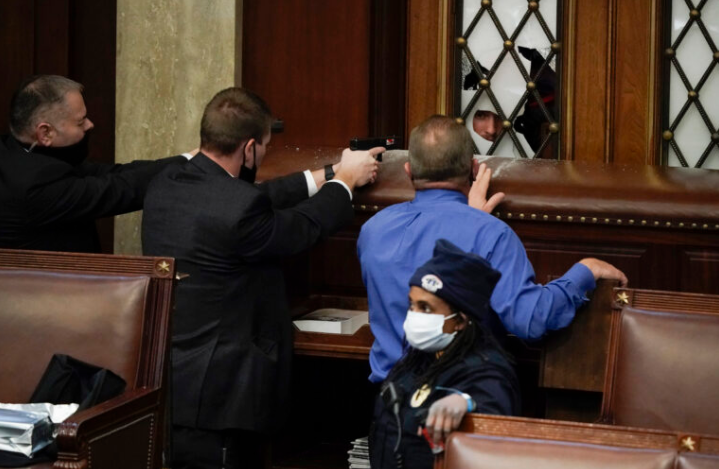
Read MoreAn important step to discuss the capitol riots with your children is helping them name their emotions. “If your child does want to open up more, prompt them by asking them to name their feelings. Are they confused, frightened, angry?” says Rick Weissbourd in the Boston Globe.
This article provides guidance on how to talk to young kids about political chaos.
Read MoreHow do you have open conversations with children about the Capitol riots?
"The place to start with kids is to ask questions like, 'What have you heard? What are you thinking? What are you feeling?'" says MCC faculty director Rick Weissbourd in the Harvard Gazette
The premise of holistic admissions suggests that admissions officers consider the whole applicant. But how can intangibles like character or compassion be judged alongside empirical data like grades or test scores?
Amy and Mike from Tests and the rest invited Glenn Manning and Brennan E. Barnard to describe how this challenge is being addressed by the Making Caring Common Project.
Read MoreLet children lead conversations about traumatic events, says Richard Weissbourd, faculty director of Making Caring Common.
“Find out what their concerns are, make room for their questions, and know how they’re processing and making meaning out of the events first.” Rick spoke with Emily Boudreau for this piece that provides guidance for educators and families to support productive conversations.
Read More“We may be failing to help our teens develop the critical cognitive, social and ethical capacities that are at the heart of both doing good and doing well in college and beyond,” said Making Caring Common director Richard Weissbourd. Our college admissions work was mentioned in this Spokesman - Review article.
In June of 2020, more than 300 admissions deans spoke out to encourage college applicants to be honest about the obstacles they have faced during the pandemic, as well as meaningful activities they've undertaken, such as caring for siblings, shopping for elderly neighbors, and writing thank-you notes to essential workers.
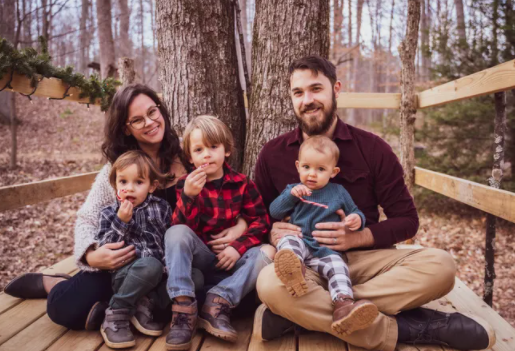
Read More“My guess is that at least some dads, because they have found real and deep gratification in their relationships with their kids during this time, will work hard to preserve this closeness," expressed Rick Weissbourd in USA Today.
This article mentions our research study that found a majority of fathers felt closer to their children during the pandemic.
Read More"It's not only an increase in quantity of time spent together, it's also an increase in quality... parents are willing to express vulnerability and are more able to get to know their kids better." Rick Weissbourd discusses our research about parental relationships with children during the COVID-19 pandemic in JAMA's podcast.
Read MoreIs it possible to bridge the political divide and have unity and economic, racial and gender justice?
"None of this will be easy. But for far too long we’ve avoided these conversations, and it is upon this work that our brave, imperiled democracy depends, " says Rick Weissbourd in NationSwell discussing our new research brief,
Read MoreOur 2020-21 Youth Advisory Board represents a diverse group of young people who will work with Making Caring Common to make schools and communities more just, caring, and respectful places.
Read MoreHow can we enable students to engage respectfully and constructively students who don't share their political views? How can we help students bridge political divides during a time when the country is so divided?
Read More