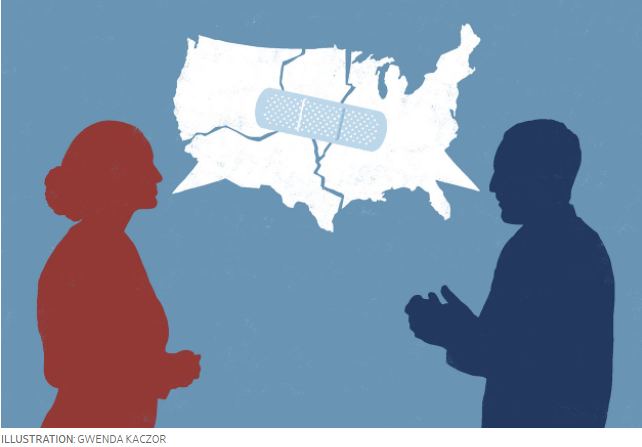
While this year has shed light on how politically divided Americans are, our new research brief shows that the majority of Americans are willing to make amends across the aisle. 83% percent of the 1,400 respondents surveyed earlier this year said they could respect someone who disagrees with them politically as long as the person respected them back. Emily Bernstein includes some of our insights in this Wall Street Journal article.
Read MoreRead the latest from Making Caring Common!

You’re in the right place for our media coverage, blog posts, and event information. Our work spans a range of topics, all connected by our commitment to elevate caring and concern for the common good at school, at home, and in our communities. You can review what’s new below or use the dropdowns to sort by topic and category.
Be sure to join our email list and connect with us on Facebook, LinkedIn, and Instagram, to stay current with Making Caring Common’s news and updates. If you’re a member of the media, please visit our Media Room.
Sort by topic
- Access and Equity
- Bias
- Bridging
- Building Connection
- Bullying
- COVID
- CSN
- Caring and Empathy
- College Admission
- Consent
- K-12
- Loneliness
- Mental Health
- Misogyny and Sexual Harassment
- Moral and Ethical Development
- Parenting
- Purpose and Meaning
- Romantic Relationships
- School Culture and Climate
- School Integration
- Social-Emotional Learning
- State of Caring
- Turning the Tide
- Voter Mobilization and Civic Education
- Youth Advisory Board
Sort by category
In June, more than 300 admissions deans spoke out to encourage college applicants to be honest about the obstacles they have faced during the pandemic, as well as meaningful activities they've undertaken, such as caring for siblings, shopping for elderly neighbors, and writing thank-you notes to essential workers.
Read more about our collaboration with the deans in Good Housekeeping Magazine.
Read More"Kindness is what gets our families healthy, our country healthy. It's how we live together so we’re constructive and joyful. If we don’t take care of each other, we won’t survive.” - Rick Weissbourd, Making Caring Common Faculty Director.
National Geographic’s Jamie Kiffel Alcheh emphasizes the benefits of kindness for kids’ health and gives some tips on how to teach kindness and kind things that kids can do.
Read MoreWhether students are younger or older - learning in person or online - asking caring questions and listening to others can set the stage for sharing and promoting trust and connection in the classroom. Helping students learn and practice these skills can help them build relationships, understand their own thoughts and feelings and those of others, and make them feel heard.
In this webinar from Harvard’s Making Caring Common project, now available on demand, educators will learn strategies for building a caring community by developing student listening skills. Click through to watch now!
Read More“Ultimately, the college search and application experience boils down to being an informed consumer. Do yourself a favor and go to the source,” Brennan Barnard discusses in his Forbes article. He mentions the 2020 U.S. Presidential election, and advises to rely on credible resources for information
Read MoreWhile this year has shed light on how politically divided Americans are, our new research brief shows that the majority of Americans are willing to make amends across the aisle. 83% percent of the 1,400 respondents surveyed earlier this year said they could respect someone who disagrees with them politically as long as the person respected them back. Emily Bernstein includes some of our insights in this Wall Street Journal article.
Read MoreDo commercial rankings of colleges mean anything? “It's important that the admission profession looks for innovative, powerful and effective ways to deliver high-quality information about searching for, applying to, and affording higher education," Brennan Barnard argues in his Forbes article.
Read MoreOur Get Out the Vote program was highlighted in the Be Latina article: How to Convince Your Stubborn Friend or Family Member to Vote.Journalist Erica Nahmad spoke with Making Caring Common faculty director, Rick Weissbourd who emphasized the challenges o getting college - aged voters to the polls.
Rick reiterates this point, claiming that “only 40% of college students turned out in the 2018 midterm election — a dramatic jump from the 19% student turnout in the 2014 midterm elections, but a disappointing percentage for any healthy democracy.”
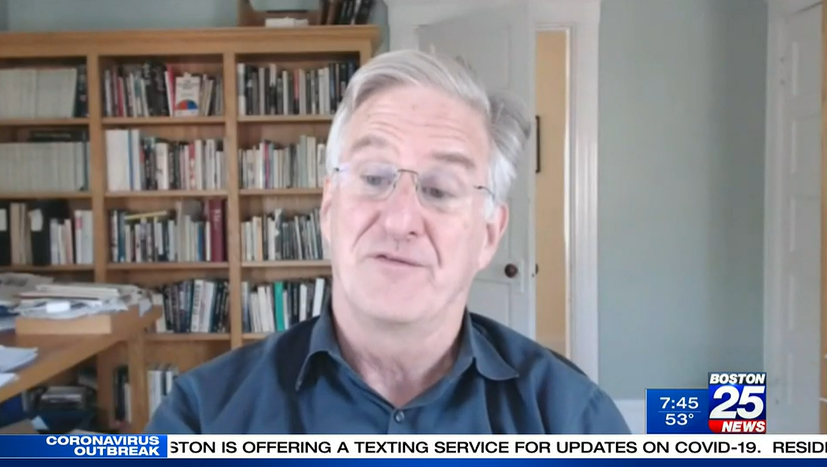
Read MoreHas the pandemic brought you closer to your kids? Rick Weissbourd discusses our recent report on Boston 25 News.
"A significant majorities of fathers are spending more relaxed time with their kids, asking their kids questions, learning about their kids"
Read MoreHelping students develop greater empathy is essential for building a positive school climate, but equally important is considering who students have empathy for. Children and adults alike are predisposed to empathize for those who are in their own social group. But empathy for many different kinds of people is important in its own right; it is the basis for children’s developing conceptions of and commitments to fairness and justice.
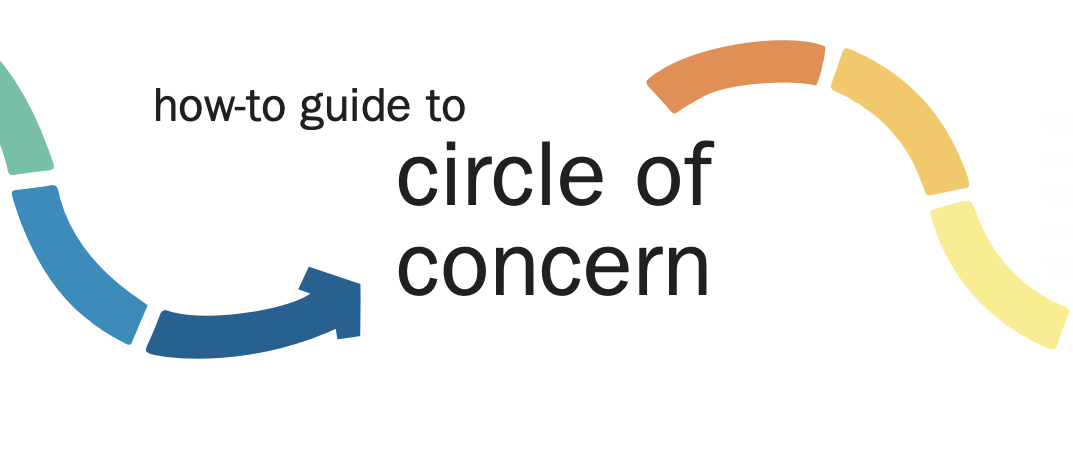
In this on-demand webinar from Harvard’s Making Caring Common Project, educators will explore our Circle of Concern strategy, which is designed to help children become more aware of those for whom they do and do not have empathy.
Click through to watch the webinar now!
Read MoreChildren and adults alike are predisposed to empathize for those who are in their own social group. But empathy for many different kinds of people is important in its own right and is the basis for children’s developing commitment to fairness and justice.
Read MoreWill the pandemic revolutionize college admissions? MCC team members Rick Weissbourd, Trisha Ross Anderson, and Brennan Barnard reflect on how lockdowns are forcing schools to consider a range of other approaches for selecting students.
Read MoreAccording to College Express, “Standardized tests, extracurricular activities, campus visits, and other events have been canceled as a result of COVID-19, and many students are worried their college applications will be hindered by these missing links. “
This article discusses our report: “Care Counts in Crisis: College Admissions Deans Respond to COVID-19.”
Read MoreThis training covers barriers to voting and how to overcome them, the importance of the 2020 election and this moment to youth personally and collectively, and how to persuade peers and family to vote. It also engages youth in making a plan for mobilizing their peers and identify best practices in carrying out that plan.
Read MoreEnsuring that every student has a positive relationship with at least one school adult is more important – and harder – than ever. Join us Thursday, July 31 from 3-4pm ET for our free interactive training: “Relationship-building: Connecting to students during social distancing and beyond.”
Read MoreThis training covers barriers to voting and how to overcome them, the importance of the 2020 election and this moment to youth personally and collectively, and how to persuade peers and family to vote. It also engages youth in making a plan for mobilizing their peers and identify best practices in carrying out that plan.
Read MoreOur Get Out the Vote program was highlighted in the Harvard Graduate School of Education News article: Turning Passion into Civic Action.
"Part of our development is recognizing we’re global citizens and that what we do and say has an impact," said Kayesu Machayo, a program participant. Our initiative provided young activists with the tools to lead voter mobilization projects in their communities.
Read MoreRead Rick Weissbourd's Q&A with The Harvard Gazette’s Colleen Walsh on the future of college admissions and the new statement from admissions deans about what they expect from students during the pandemic.
Read MoreJoin us Sep 17 at 2:00pm ET for Compelling Counselor Letters: Recommendation Basics During the Pandemic and Beyond . This engaging webinar will discuss best practices for writing compelling counselor recommendations that communicate a student’s character, context and contributions to family and community.
Read MoreTeen Vogue’s Zach Schermele talked with Richard Weissbourd about our report, “Care Counts in Crisis: College Admissions Deans Respond to COVID-19.”
Read More