

What do Teenagers Think About Love?

In honor of Valentine's Day, we asked our wonderful Youth Advisory Board about love. Here's what they had to say:
"Love can be found everywhere. Whether it’s through family, friends, or peers, there are people all around us who want to genuinely make us feel happy and appreciated."
"Life is too short to not let others know you love them. Even if you think they know already, just take time to tell them and you will be surprised about how big of an impact it can have."
"Love is not a one-way street. Knowing when to walk away is important. Love is a verb not a noun."
"Make sure everything is in moderation, including moderation."
"Love is everything and those that hurt others just need a little more love."
"Everyone deserves love!"
"Love openly, love freely, but do not love blindly."
"The more love you give onto others, the more you can expect to receive."
"No relationship is perfect because there is always conflict. You just need to know how to handle it and move on."
"Relationships grow in the little silences."
"Love comes in many forms and sometimes you have to look hard to recognize it."
The young people in our lives WANT to talk about love. For practical tips on how to start - and sustain - essential conversations about love and relationships, read our report The Talk: How Adults Can Promote Young People’s Healthy Relationships and Prevent Misogyny and Sexual Harassment.
More News

Host Samantha Laine Perfas spoke with Kiran Bhai, Executive Director of Making Caring Common, and other guests about parenting styles and the effects of specific choices, such as how we help our children when they are in distress, on children’s development and growth.

Richard Weissbourd joins a panel of experts for a discussion about parental mental health hosted by the Harvard T.H. Chan School of Public Health. Together they explore the stress parents face, how parental mental health affects child development, and strategies for supporting parents.

Author and health educator Shafia Zaloom discusses the ways we talk to children and teens about ethical intimacy and sex, helping them center their growing understanding of relationships, consent, and sex on a foundation of love and respect—for themselves and the individuals and world around them.
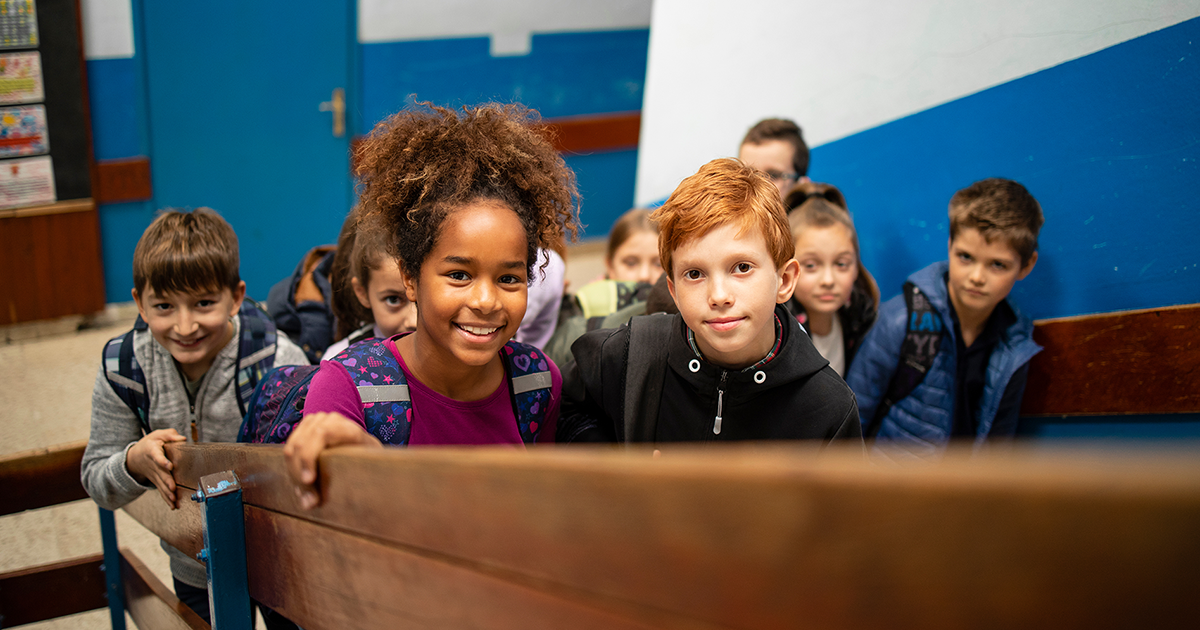
How can parents, caregivers, and teachers start the new school year strong, but not “borrow from tomorrow” in order to make today perfect?
Making Caring Common Faculty Director Richard Weissbourd joins host Ayla Fudala on the Frontiers of Health & Happiness podcast to discuss "how parents, educators, and communities can help young people become caring, moral, and thriving."

Making Caring Common Faculty Director Richard Weissbourd recently spoke with NBC News about the new survey and report, "Gen Z Wants to Do Good: How Helping Others Supports Meaning and Wellbeing," developed in collaboration between Gallup and the Walton Family Foundation.

Motivating and enabling far more Gen Zers to pursue careers that benefit others and have positive social impact is, of course, no simple challenge. But our data point to several strategies that may move the needle.
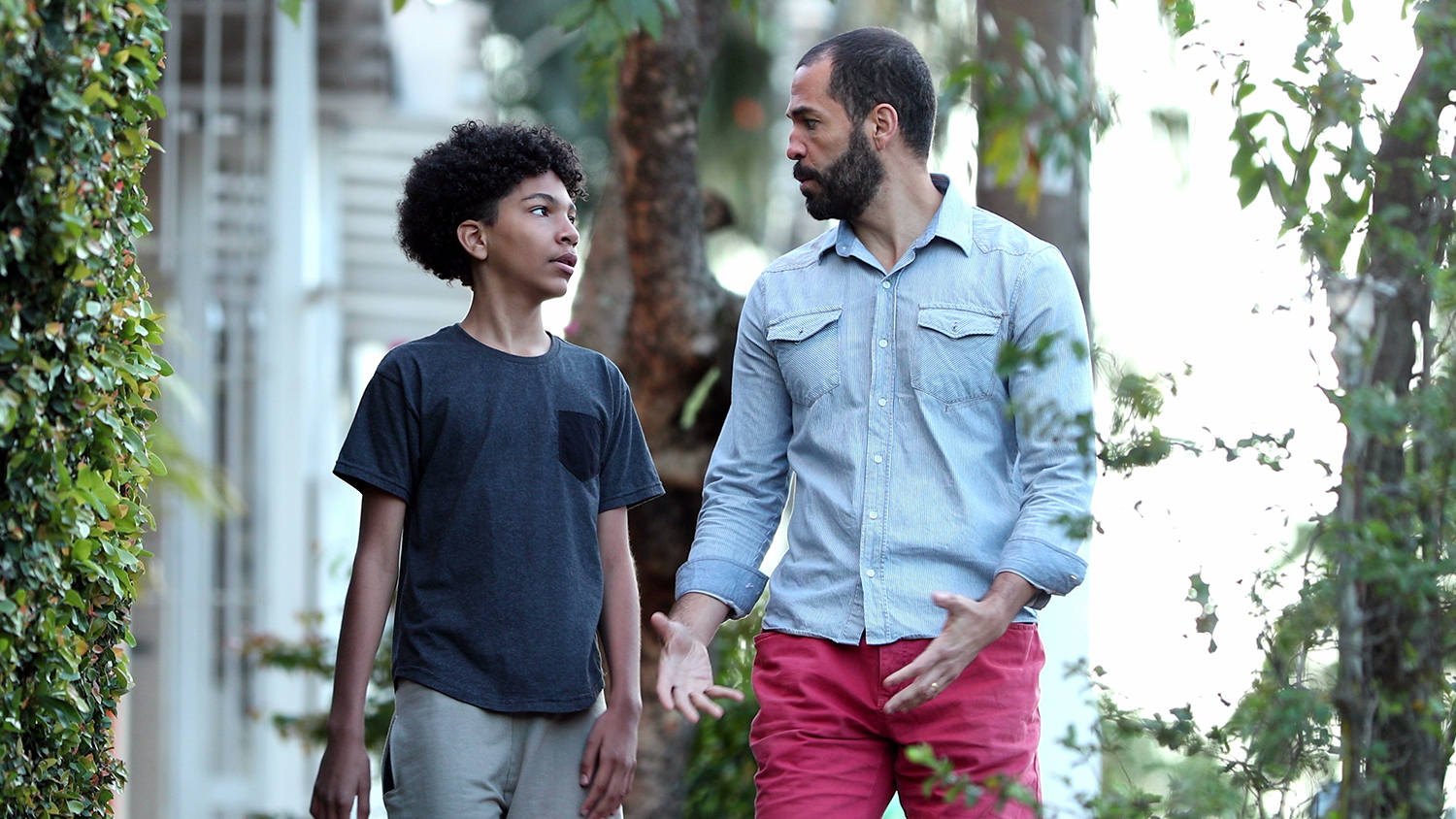
Parents thoughtfully sharing about their own mental health challenges can also encourage teens to open up about their struggles and alleviate the stigma they may feel about anxiety and depression.

There may, in fact, be nothing more important in a child’s life than a positive and trusting relationship with a caring adult. Michael McLaughlin, Making Caring Common’s Schools & Parenting Programs Manager, explores how Intentionally and strategically building these types of relationships at your school can boost students’ academic and social-emotional capacities and even transform lives.

Kiran Bhai, MCC’s Schools & Parenting Programs Director, shares four ways in which each of us can use the late winter to reflect on what matters most, especially our relationships, and get creative about how to nurture connection during these quieter, and sometimes more challenging months.