Warmth and Meaning: 4 Ways to Foster Connection in the Late Winter
by Kiran Bhai
Schools & Parenting Programs Director, Making Caring Common
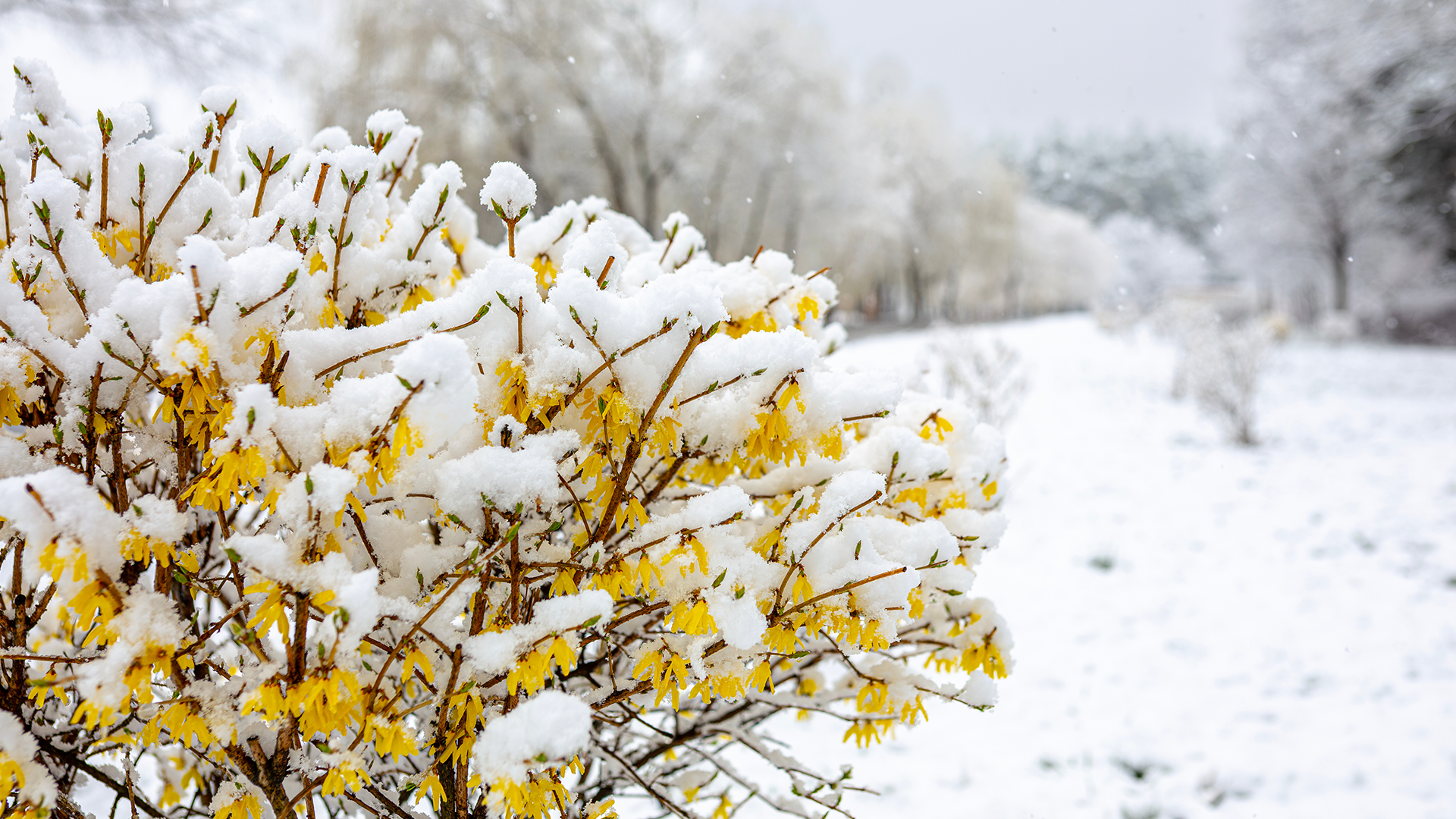
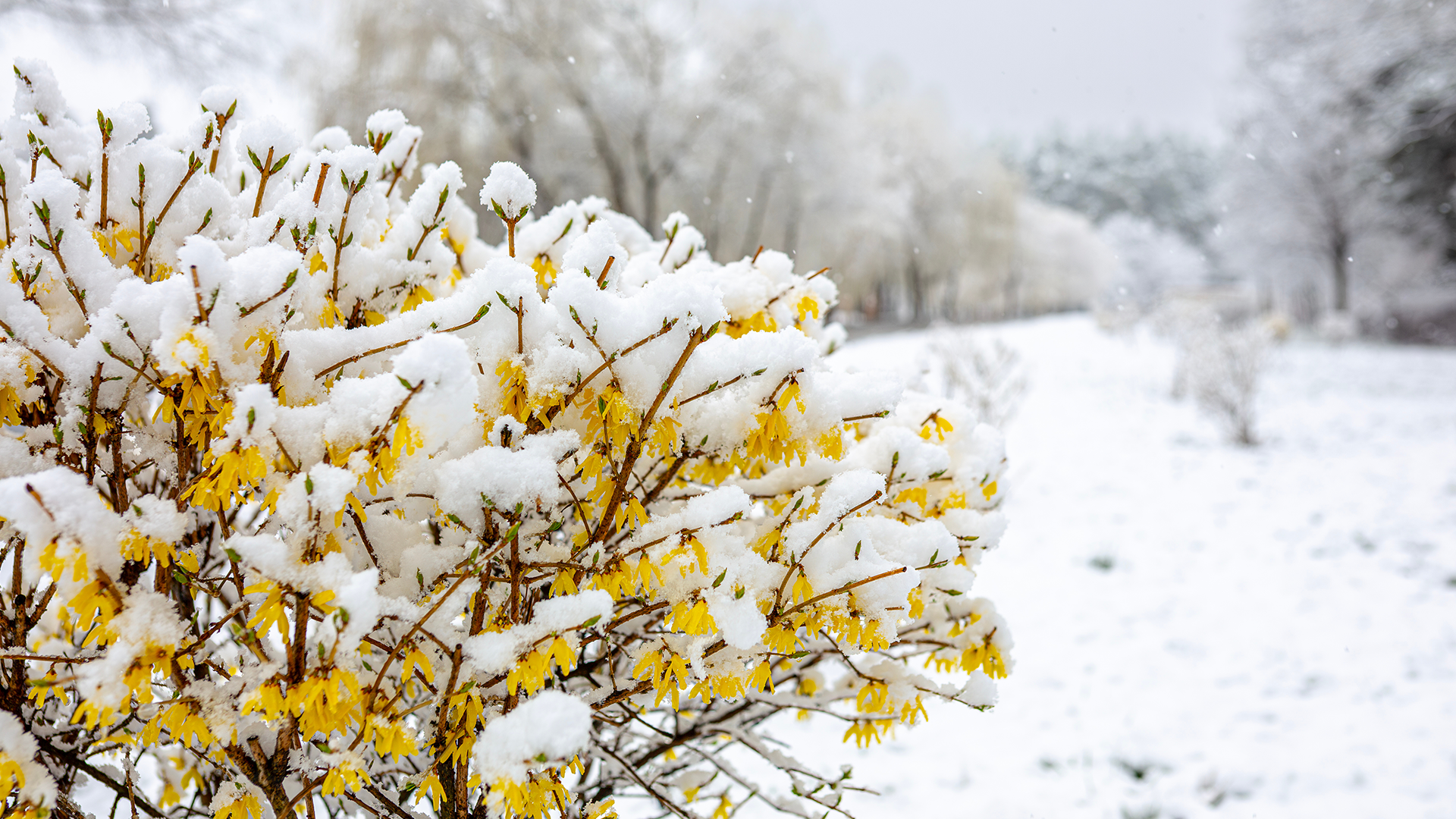
It’s mid-March and, for many, the glow of the winter season, from fresh snow to Christmas lights and New Year’s celebrations, feels long gone. With spring still a week away, many of us may be experiencing the late winter slump, feeling more isolated, disconnected, and lonely in this in-between season. Depending on where you live, those feelings may have deepened after big winter storms kept us in our homes, eerily reminiscent of the COVID days.
While we cannot delay the sunset beyond what daylight saving time recently provided, or melt away the chill overnight, are there ways we can prevent disconnection and loneliness, for ourselves and others? How might we create moments of warmth and meaning for ourselves and others without pretending winter is easy? Instead of resisting the season, can we pause to reflect on what matters most, especially our relationships, and get creative about how to nurture connection during these quieter, and sometimes more challenging months?
The value of connection
Like many South Asian families, my childhood home in Texas was never reserved only for our nuclear family. My parents were intentional about making it an intergenerational space where relatives, family friends, and even my own friends could gather easily, feel at ease, laugh loudly, and decompress. The house felt less like a private residence and more like a shared living room, where the chai was always flowing and the circle of people around it was always expanding.
Moving away from home for college and eventually starting my career, I quickly saw that life—particularly in our U.S. culture—creates many barriers to building strong relationships and keeping connected with one another. There’s a state of busyness that most people, myself included, experience regardless of life stage. Of course, factors like jobs, family situations, and specific life challenges can affect how busy each of us is. But I’ve found that very few people don’t feel busy. And that busyness often crowds out what we actually value in life, including building strong relationships and experiencing connection with those around us.
Making Caring Common’s research (and others’ research) has shown that loneliness is multifaceted, experienced very differently from person to person. If you experience loneliness in the winter months (or any time of year), there are many others who feel similar. MCC's 2021 report showed that "36% of our survey respondents reported feeling serious loneliness over the last four weeks either frequently or almost all the time or all the time,” and an “additional 37% of respondents reported feeling lonely occasionally." And it may not always be the people we most expect. While we often assume senior citizens experience more loneliness than other age groups, MCC's research over the past five years shows that young adults (ages 18-44) actually experience more loneliness than any other age group.
I think that perhaps, beyond busyness, the reasons that each of us struggle to reach out and connect deeply with others vary quite a bit, too. I think most people know that they should connect with others; they know that it’s important to their mental health; they know that it will make them feel better. But the busyness of life, along with myriad other factors, gets in the way, and spaces like my childhood family home do not automatically recreate themselves elsewhere. They require intention, care, and sustained effort to find and build.
The winter months make it even harder to connect
For many, the stretch of winter between the New Year and the start of spring makes it even harder to get and stay connected. For many, the holiday season is complete and fading in the rearview mirror. Culturally, the “season of giving” and festivities feel like they have ended as well. And without the holidays and without the still-distant summer activities that offer greater chances for connection, the winter months can feel like they will drag on forever, and all we feel we can do is binge TV at home, waiting for warmer months.
In the U.S., no matter where you live, the amount of daylight we see each day is substantially lower than in the summer months. For many, this lack of daylight means feeling less energy, less motivation to get outside, and (for some) even leads to seasonal depression.
MCC’s research shows that people experiencing loneliness can sometimes fall into thought patterns and habits that make it harder to reconnect with others. They may become more self-critical, feel like they are always the one reaching out, or begin to expect rejection. Over time, this can lead people to withdraw from opportunities to connect, even when they want connection. Factors like the winter months can make this cycle even more challenging.
In part because lonely people have a strong tendency to withdraw, addressing loneliness cannot rest only on those who may already be struggling. It can, and should, be a community effort. When we have the energy and capacity, reaching out to someone, sending a message, or extending an invitation can make a meaningful difference.
So whether for ourselves or to help those in our community, what steps can each us take to connect with others as winter draws to a close?
Four ways to foster connection in the late winter
1. Embrace the opportunities of winter
Plenty of cultures around the world embrace winter in ways that might seem foreign to us who grew up in the U.S. The concept of hygge, the Danish term for intentionally creating a cozy, content feeling in the winter months, has been written about in numerous books, including How to Winter by Kari Leibowitz, PhD, about the ways we can lean into winter, rather than dread it.
One of the things these books talk about that resonates with me is that while winter does present a set of challenges that we shouldn’t ignore, we can also see winter as an invitation to create rituals centered on the winter months, gather with others, acknowledge that the winter months (especially late winter!) are hard, and find meaning in the winter months together.
In the U.S, we tend to think of summer as the time to be outside, take walks, and enjoy the beauty of the season. But there's a lot of unique beauty in winter as well. And when we adjust our routines to accommodate and embrace this beauty, it can help us feel less isolated and more connected to all that’s going on around us because we’re, first and foremost, connected with the rhythms of the seasons and the earth.
For some, that might sound a bit idealistic, but being connected in this way allows us to ground ourselves in what's actually going on. We get outside of our heads, get off our screens, and feel a little more connected to what's going on in our world and our community, opening us up to unique opportunities for connecting with others.
For those who are feeling particularly stuck: Try to identify one thing about the winter months in which you find some type of enjoyment, even if it is small. For instance, if you find yourself buried in a book, a game, or a favorite TV show during the winter months in a way that you might not at other times of the year, try to see that as something you can celebrate, rather than something you feel bad about or can’t wait to end. BONUS: Is there one friend or family member you could invite to come to your home to read, play a game, or watch a show with you for an hour or two?
2. Ritualize easy routines
One lower-effort way I’ve found to connect with others is to take something that’s already routine and ritualize it in a way that makes it deeply meaningful and connective.
One place to start: When I stop in at a coffee shop or store, can I look at it as not only as an opportunity to get what I need, but to connect in small and meaningful ways with those I come in contact with? Some researchers have recently suggested that these “micro-connectons”—the barista we regularly talk to or the cashier at the grocery store that chats us up about the weather—can actually reinforce in us a sense of belonging and purpose in our day to day lives. These interactions can connect us to the humanity around us, offering a steady contrast to the disarray and dystopia that so often fill our phones.
MCC’s research demonstrates this need as well. Fifty percent of the survey respondents in 2021 reported that they wished someone would ask them how they’re doing in a genuine way, 19% reported that they had no one who cared about them outside their family, and 42% reported having fewer non-family members care about them as they would like. While not a full substitute for deep, robust relationships, micro-connections can meaningfully address some of the needs expressed by our survey respondents.
Next, because for many of us, energy in the winter months feels lower, I think it can be helpful to have some connection-building routines decided ahead of time.
Not long ago, my husband and I discovered an amazing Pakistani-New Mexican fusion taco truck within walking distance of our house. So we decided to walk there with our daughter for dinner every Tuesday night. It’s something we would likely do on an occasional basis. But by making it an every-Tuesday night routine, it’s become a meaningful ritual. We’ve gotten to know those who work the taco truck and look forward to seeing them every week. We invite different friends to join us at the truck. And because we’re at the truck almost every Tuesday, friends who know about our ritual have started showing up unannounced to eat and connect with us. So Tuesday night dinners have become a ritual of connection that we no longer have to think about and plan for. We’ve already decided.
For those who are feeling particularly stuck: Pick one time and place to go every week, even for 30 to 60 minutes. If you spend an hour or so a day reading (or scrolling Instagram), can you take your book or phone to the closest coffee shop one day a week for that same period of time?
3. Use already scheduled events and commitments
As a parent, I know firsthand how having children can create an additional sense of isolation, especially in the winter months. Depending on the climate you live in, it can be harder to get outside and harder to make plans with those you want to spend time with, especially when bundling up a resistant, though very sweet, toddler becomes its own small ordeal.
But what about the people you’re already scheduled to see in the places you’ve committed to going? Perhaps your child has taekwondo or soccer on Wednesday afternoons. It’s easy to see that time as unavailable for connecting with others. Which means you might end up spending 30–60 minutes in your car or on the field by yourself after dropping off your child at their practice.
What if, instead, you thought about who you know that will already be at the taekwondo class or at soccer (i.e. other parents and caregivers) or friends that might live close by? Is there a cafe or restaurant near the class where you can meet them, even for 30-60 minutes? Is there a friend who can pop into soccer practice, joining you to catch up and cheer on your kiddo? That way, your time waiting for your child’s activity transforms from a required item on your agenda to a meaningful chunk of time to care for yourself by connecting with a friend, existing or new.
For those who are feeling particularly stuck: As you engage in your day or regularly schedule events, try to be mindful of the chances for microconnection around you. You don’t have to share your life story with your barista or another soccer parent, but can you notice any feelings of connection even as you exchange “good mornings” and “see you soons?” Sometimes simply paying attention to these tiniest of connections can help us feel so much less alone.
4. Serve others to create connections and foster purpose
This one perhaps requires a bit more effort than the ideas already mentioned, but each of us can foster connection (for ourselves and for others) through service. As mentioned earlier, our modern U.S. culture often segments the holiday months as a “season for giving.” But that’s arbitrary at best, and often also serves less altruistic goals by those encouraging us to think that way. Seeing only a month or two of the year as a season for giving, and then stopping that giving, can actually exacerbate our own feelings of disconnection and loneliness, and also prevent us from reaching out to those who are most vulnerable to disconnection in the winter months.
This, of course, can look like serving others through a typical volunteer organization. But it can also start smaller and even more locally. Is there someone on your floor in your apartment building who has a specific need, recently experienced a loss, or seems vulnerable to disconnection and loneliness? What’s something small you could do even this week to serve and support them? Perhaps it is cooking a little extra of something you are already making and leaving it at their door. Maybe it is bringing in their mail if mobility is a challenge, stopping by with your toddler for a cheerful visit that brightens both their day and yours, helping with a pet, or offering a ride to a doctor’s appointment.
Each of these small acts of service provides us with an opportunity to help someone know that others are thinking of them and feel more connected to their neighbors. And serving others this way helps remind us that our lives matter to others, that we’re connected with our world in meaningful ways. I’ve found that to be a pretty remarkable payoff for a somewhat small investment of my time and energy.
For those feeling particularly stuck: Consider if there is an established, local organization that you know is in need of volunteers. Rather than spending energy every day or week thinking about how you can serve others, can you call that organization or go online and schedule yourself for a short volunteer shift every other week? Once you’re scheduled, you no longer need the energy for ongoing decision making, and may even find yourself feeling additional energy even before your first shift.
Be the community member you’re looking for
Many of the ideas I’ve already suggested are my answers to a question I try to ask myself regularly: What kind of friends and community members do I want to have in my life?
Naturally, I often start by thinking about how I want friends and community members to show up for me, and how they’ll make me feel. And with that in mind, I then shift to asking: How can I be those things for my family, friends, and community?
For me, I would love to live in a community where neighbors feel comfortable dropping by just to say hello, with bonus points if they bring a snack to enjoy alongside a cup of chai. And a community where my family gets regular invites to join our neighbors for a meal or even a simple meet up at the park with the kids.
I want those things in part because it’s who I am. I love gathering around food and enjoying meaningful conversations, just like I did growing up in my family home. And rather than leaving that kind of community to chance, where it can easily be crowded out by the pace and demands of daily life, I decided to be the one who knocks on a neighbor’s door to check in, drop something off, or invite them over for a simple meal. Both, because I want to create opportunities for connection for my neighbors, and also because I want a community for myself where that kind of care and familiarity becomes more of the norm.
From my experience, it’s not long before you start to see your own actions mirrored back by those you are reaching out to. And when they do, it’s often energizing, and I find I have greater capacity to connect and grow my relationships with others. Over time, small, repeated acts of reaching out begin to shift the culture around you. But it started with me taking a few steps to be the kind of friend and community member I wanted.
As winter weather continues over the next few weeks, or for some, a few months, what if the community you’re longing for began with you? With you taking small actions and finding natural ways of reaching out to connect with others. And if you are one of those people who is energized or unaffected by the winter, could you be the steady one who reaches out first (and multiple times), especially to those who may be quietly feeling disconnected?
The time is right
I think now might be the best, most important time to invest in relationships, building and maintaining strong connections with (and for) others.
We’re in a season of history in which a lot of scary things are happening, and people are experiencing increased anxiety and fear. And if the only signals we’re receiving are from social media or other online sources, it can quickly feel like everything and everyone around is a threat. Now, more than ever, I believe we need a broader set of micro-connections (the conversations with our barista) and also relationships and groups in which we experience deep connection.
These robust connections not only help fortify us during difficult times; they also help us model for our children, students, and other young people in our lives the kind of relationships that are possible for them, too. And as we create friendships, groups, and communities where deep connection is the norm, we provide a foundation of safety and care for our children.
In the end, I think we, and the kids in our lives, will find that the life curated by our feeds and filtered through our screens is far less real than our actual lives, in which connection and caring for one another are what’s most real.