

Loneliness in America: How the Pandemic Has Deepened an Epidemic of Loneliness and What We Can Do About It

February 2021
The global pandemic has deepened an epidemic of loneliness in America.
Our report suggests that 36% of all Americans—including 61% of young adults and 51% of mothers with young children—feel “serious loneliness.” Not surprisingly, loneliness appears to have increased substantially since the outbreak of the global pandemic.
The report also explores the many types of loneliness, various causes of loneliness, and the potentially steep costs of loneliness, including early mortality and a wide array of serious physical and emotional problems, including depression, anxiety, heart disease, substance abuse, and domestic abuse. While Americans clearly need to adopt distancing measures to curb the spread of the novel coronavirus, the report authors argue that we also must take steps to alleviate loneliness, particularly for the populations the survey suggests are most affected.
The report is based on an online survey of approximately 950 Americans in October 2020. Because of certain data limitations, the data should be considered preliminary. More information is available in the report’s methodology section.
Authored by Richard Weissbourd, Milena Batanova, Virginia Lovison, and Eric Torres
“As a society, we do little to support emerging adults at precisely the time when they are dealing with the most defining, stressful decisions of their lives related to work, love, and identity. Who to love? What to be?”
Key findings
In our recent national survey of American adults, 36% of respondents reported serious loneliness—feeling lonely “frequently” or “almost all the time or all the time” in the four weeks prior to the survey. This included 61% of young people aged 18-25 and 51% of mothers with young children.
43% of young adults reported increases in loneliness since the outbreak of the pandemic. About half of lonely young adults in our survey reported that no one in the past few weeks had “taken more than just a few minutes” to ask how they are doing in a way that made them feel like the person “genuinely cared.”
Young adults suffer high rates of both loneliness and anxiety and depression. According to a recent CDC survey, 63% of this age group are suffering significant symptoms of anxiety or depression.
“We need to return to an idea that was central to our founding and is at the heart of many great religious traditions: We have commitments to ourselves, but we also have vital commitments to each other, including to those who are vulnerable.”
Key recommendations
Providing people with information and strategies, including public education campaigns, that can help them cope with loneliness, including strategies that help them identify and manage the self-defeating thoughts and behaviors that fuel loneliness.
Building not just our physical but our social infrastructure at every level of government and in our communities. We need to begin reimagining and reweaving our social relationships in health care, schools, and many other institutions.
Working to restore our commitments to each other and the common good to renew a founding promise of this country: that we have commitments to ourselves, but we also have vital commitments to each other, including to those who are vulnerable.
Related reading
Making Caring Common Faculty Director Richard Weissbourd joins host Ayla Fudala on the Frontiers of Health & Happiness podcast to discuss "how parents, educators, and communities can help young people become caring, moral, and thriving."

Making Caring Common Faculty Director Richard Weissbourd recently spoke with NBC News about the new survey and report, "Gen Z Wants to Do Good: How Helping Others Supports Meaning and Wellbeing," developed in collaboration between Gallup and the Walton Family Foundation.

Motivating and enabling far more Gen Zers to pursue careers that benefit others and have positive social impact is, of course, no simple challenge. But our data point to several strategies that may move the needle.
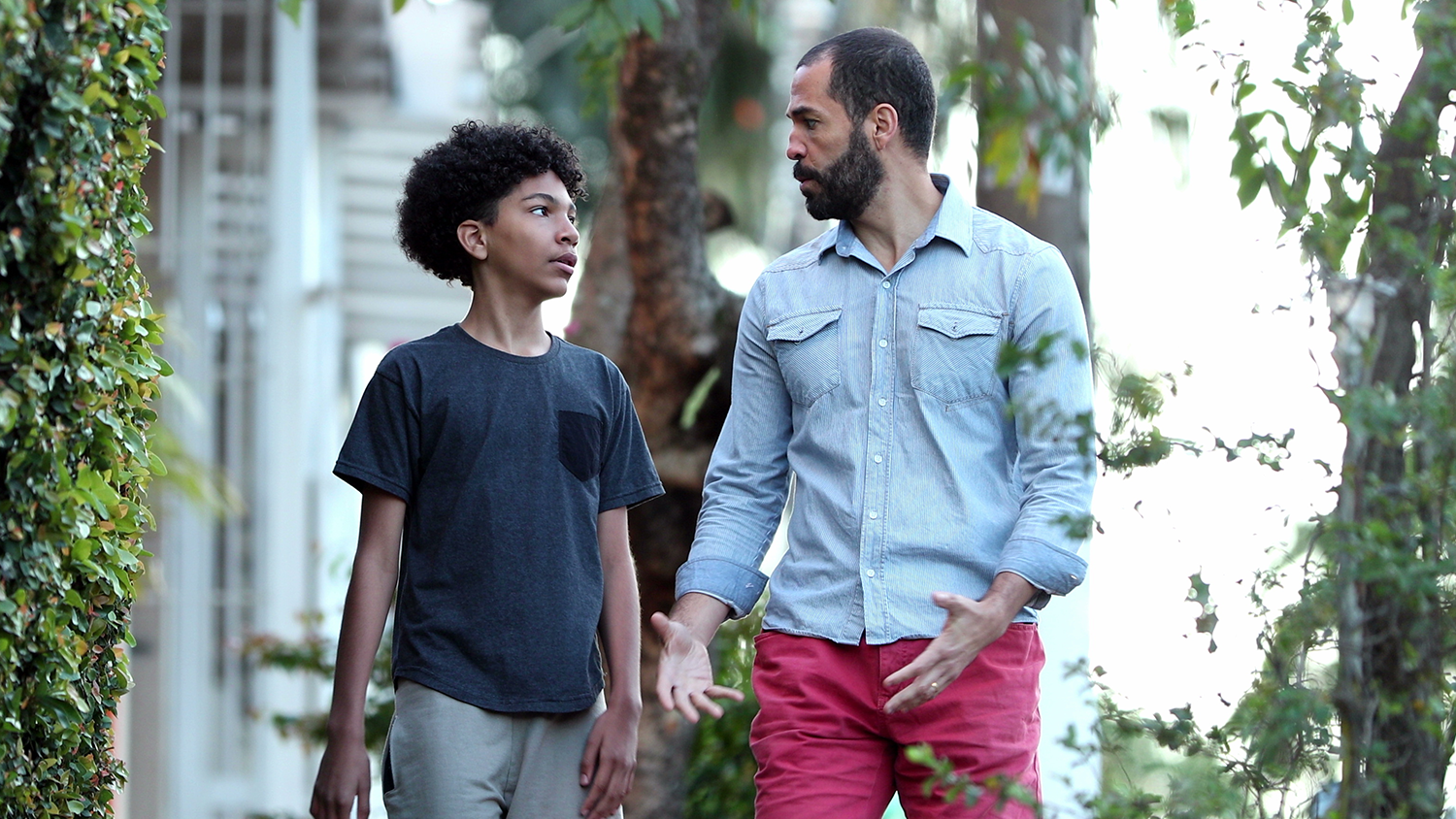
Parents thoughtfully sharing about their own mental health challenges can also encourage teens to open up about their struggles and alleviate the stigma they may feel about anxiety and depression.

There may, in fact, be nothing more important in a child’s life than a positive and trusting relationship with a caring adult. Michael McLaughlin, Making Caring Common’s Schools & Parenting Programs Manager, explores how Intentionally and strategically building these types of relationships at your school can boost students’ academic and social-emotional capacities and even transform lives.

Kiran Bhai, MCC’s Schools & Parenting Programs Director, shares four ways in which each of us can use the late winter to reflect on what matters most, especially our relationships, and get creative about how to nurture connection during these quieter, and sometimes more challenging months.

Making Caring Common’s Milena Batanova and Kiran Bhai discuss with Melissa Higgins, Vice President of Programs and Exhibits at Boston Children's Museum, what empathy means for children and the science-backed strategies for nurturing compassion at home and in schools.

Milena Batanova, MCC's Director of Research & Evaluation, joined an incredible group of panelists for a discussion about loneliness, how technology both helps and harms connection, and what it takes to build meaningful relationships.

Making Caring Common Faculty Director Richard Weissbourd joins host Jennifer White and fellow guests on the NPR show 1A to explore the connections between caring and mental health, as well as the value of caring for the collective good.

MCC Director Richard Weissbourd speaks with host Chris Duffy on TED’s “How to Be a Better Human” podcast, providing a distillation of his unique point of view and Making Caring Common’s mission, along with thoughtful, practical advice for parents and those who care for children and young people.

Kiran Bhai, MCC’s Schools & Parenting Programs Director, explores three grounding anchors for parents, caregivers, and teachers to help support the mental health of the teens in their lives (and themselves).

Milena Batanova, Director of Research & Evaluation at MCC, writes that while there are no consistent data pointing to increasing trends of loneliness, our research, and that of others does point to a number of very real concerns–but also very practical solutions, many of which are already taking place.

Milena Batanova, Making Caring Common's Director of Research & Evaluation, shares with Where Parents Talk host Lianne Castelino what MCC's research reveals about the loneliness epidemic in the U.S. and its impact on young people's mental health and overall wellbeing.

The New York Times Opinion Columnist and author David Brooks attended a recent Making Caring Common convening and wrote about his experience and insights in “The Character-Building Toolkit.”

Making Caring Common’s research shows that when parents’ and schools’ day-to-day messaging stresses children’s achievement and happiness over caring, this hyperfocus not only makes children less likely to think of others and the collective, but also compromises both their achievement and happiness. Making Caring Common Director Richard Weissbourd shared how parents and educators can close this gap and better help young people find purpose and meaning in their lives.
PBS Rhode Island recently spoke with Richard Weissbourd, Director of Making Caring Common, to learn more about loneliness amongst young adults and profile an innovator seeking changes in how people connect with one another.

Vox’s Allie Volpe spoke with Making Caring Common Director Richard Weissbourd and other experts to explore the challenges of “Nostalgia-focused guidance” on loneliness, along with practical steps based in modern realities.

Is true change possible? And how can change in our lives lead to either disillusionment or flourishing? Making Caring Common’s Richard Weissbourd and other guests recently discussed the topic on the Harvard Thinking podcast, hosted by Samantha Laine Perfas.

Is it possible to cure the loneliness epidemic? Michael Smerconish talks to our Director Richard Weissbourd to find out.

They’re more depressed, more anxious, and lonelier than any other age group in America—but their distress has gone widely unnoticed, writes Faith Hill. She cites our On Edge report and speaks with Director Rick Weissbourd for this piece in The Atlantic.

They’re more depressed, more anxious, and lonelier than any other age group in America—but their distress has gone widely unnoticed, writes Faith Hill. She cites our On Edge report and speaks with Director Rick Weissbourd for this piece in The Atlantic.

Matthew Shaer investigates the roots of loneliness--including MCC's forthcoming research--in this New York Times Magazine piece.

Writer Jessica Grose cites MCC’s On Edge report in this piece on happiness for the New York Times Magazine.

Back-to-school this year comes with a milestone for my family: my 12-year-old is heading to middle school. He’ll be taking a city bus to and from his new school, which is across town from where we live. It’s a simultaneously thrilling and terrifying prospect that has raised a nagging question: Is it time for a smartphone?

Daily challenges that children face range from navigating illness, trying to make friends at a new school, struggling to understand a new concept at skill, or experiencing deep grief from the loss of a loved one. As a parent, it can be tempting to solve our children’s problems and remove the stressors from their lives. These three tips can help you support your child in developing resilience and confidence amidst adversity.

It’s summer! A time for relaxation, exploration, and a well-deserved break from the school routine. But just like children’s academic skills can regress during this period (the dreaded "summer slide"), social-emotional skills and mental health can also take a dip. Here are 5 tips for preventing the summer SEL slide and promoting family wellbeing.

“There are three essential components of lived purpose: a life vision, a community and opportunity,” writes Russ Ewell in Church Leaders in this piece about supporting Gen Z in developing a sense of meaning and purpose.

Inside Higher Ed took a look at key findings from our On Edge report that found young adults report twice the rates of anxiety and depression as teens.
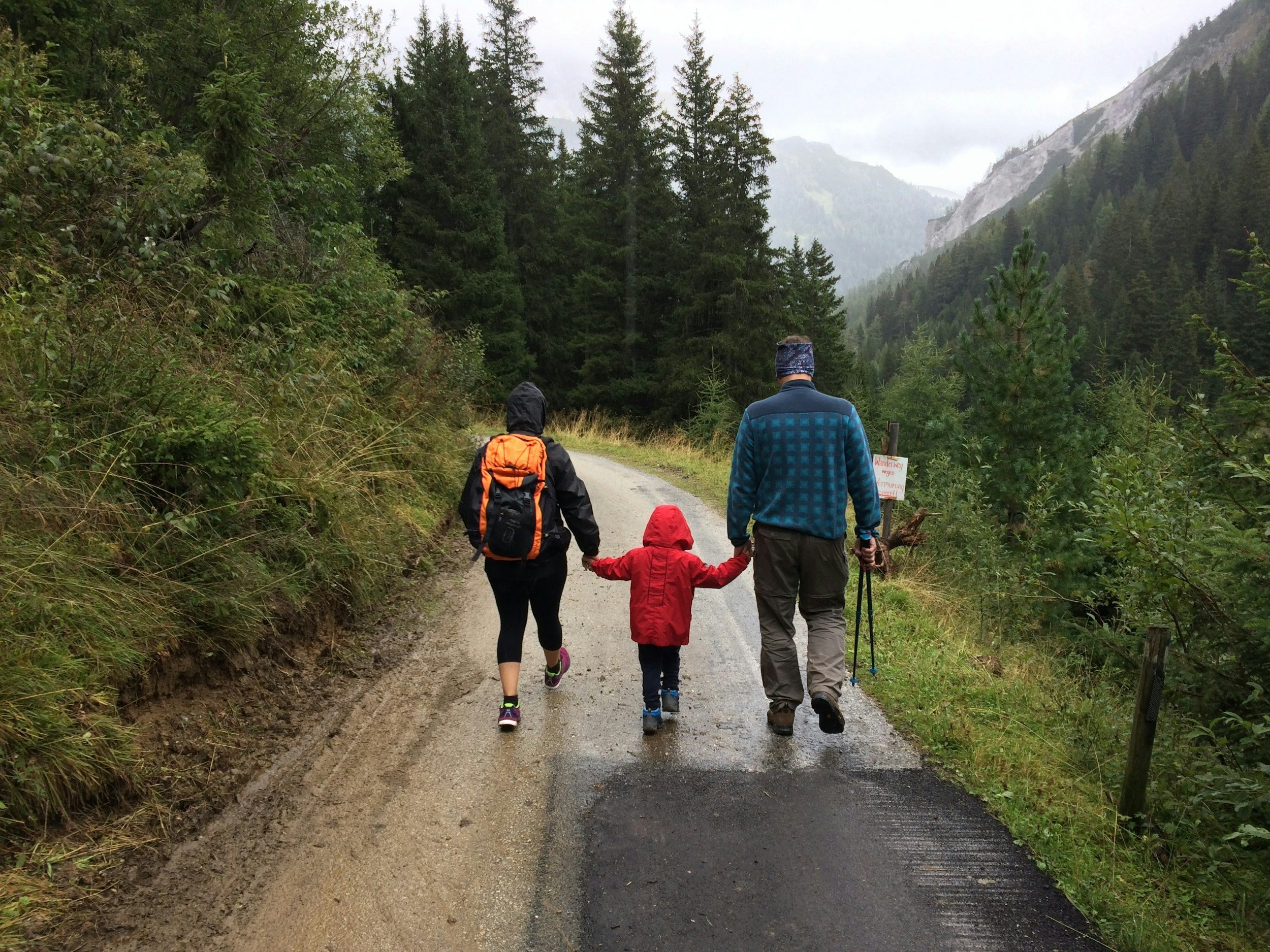
Caring for ourselves and our children is a stressful job. From the number of decisions we make each day, to navigating work, health, and schooling, a parent’s to-do-list is neverending. Even though experiencing stress isn’t enjoyable, it’s important to remember that everyone experiences stress. Exploring ways to better understand and manage your stress can strengthen your connection and relationship with your child.

The Chronicle of Higher Education’s Scott Carlson and Ned Laff make the case that meaning and purpose—not future employment—should be at the heart of the college experience.