


Read the latest from Making Caring Common!
You’re in the right place for our media coverage, blog posts, and event information. Our work spans a range of topics, all connected by our commitment to elevate caring and concern for the common good at school, at home, and in our communities. You can review what’s new below or use the dropdowns to sort by topic and category.
Be sure to join our email list and connect with us on Facebook, LinkedIn, and Instagram, to stay current with Making Caring Common’s news and updates. If you’re a member of the media, please visit our Media Room.
Sort by topic
- Access and Equity
- Bias
- Bridging
- Building Connection
- Bullying
- COVID
- CSN
- Caring and Empathy
- College Admission
- Consent
- K-12
- Loneliness
- Mental Health
- Misogyny and Sexual Harassment
- Moral and Ethical Development
- Parenting
- Purpose and Meaning
- Romantic Relationships
- School Culture and Climate
- School Integration
- Social-Emotional Learning
- State of Caring
- Turning the Tide
- Voter Mobilization and Civic Education
- Youth Advisory Board
Sort by category

What can we encourage with the carrot of educational access? And what supports must be in place to make these incentives effective?
Brennan Barnard writes in Forbes about enticing education, innovating incentives & supporting scholarships.
Read More
Students’ capacity for empathy can be developed by learning to appreciate other people’s stories. During this webinar, we’ll explore a strategy in which students share their own and other's stories in order to develop insight into the nuances of others' lived experiences, values and perspectives.
Read More
Storytelling is a powerful tool for eliciting emotion and curiosity. It can be especially valuable in prompting students to reflect on their own identities and values, and to recognize that despite people’s differing stories, we all share commonalities. Stories allow us to bridge difference through understanding and connecting emotionally with others, even when we are physically apart. This session will share a strategy in which students identify and investigate their personal set of values and what/who matters to them. Students will use these values to guide the telling of (and making sense of) their own story.
Read More
"The reality is this: Selective colleges, a portal to leadership and power in a wide array of fields, can now educate far more—and far more diverse—students...And they could create these pathways without threatening their revenue," argue the authors of our recent white paper.
Read more in this Inside Higher Ed piece by Scott Jaschik.
Read More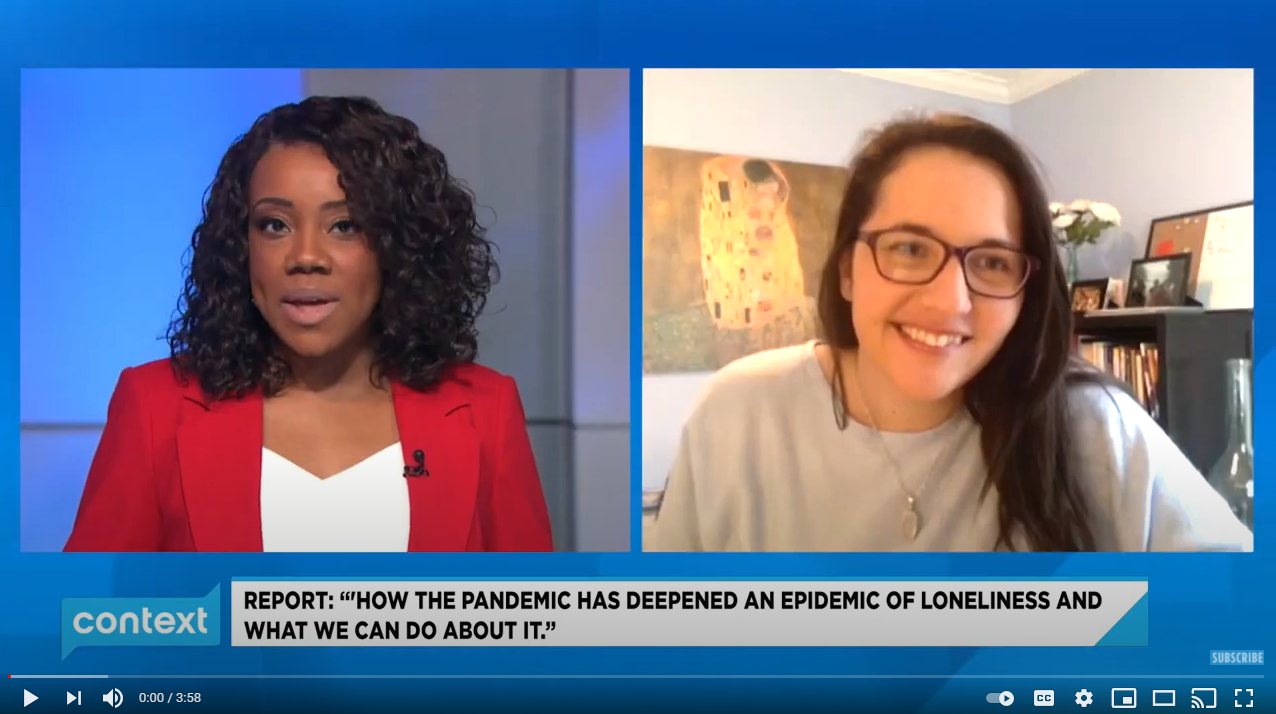
Check out this segment on Context Beyond the Headlines that references our Loneliness in America research and highlights the report's findings. MCC's Milena Batanova is featured in this interview about examining the impact of the pandemic on mental health.
Read More
Due to the pandemic, for the first time since the Great Depression, the majority of young adults currently live with their parents, according to a 2020 study by the Pew Research Center. Antonia Lehnert elaborates on this, noting that “for many, college provided a much-needed structure to their lives. The summer leaves many wading in the emptiness of quarantine.”
Read More
What do college admissions and pharmaceutical companies have in common? If a pharmaceutical company could “produce exponentially more vaccine doses but chose not to, there would be an uprising. And, if that pharmaceutical company disproportionately made the vaccine available to rich, white citizens, people would cry foul. A version of this happens every year in college admission, and unconscionably a culture of exclusivity celebrates this phenomenon rather than questions the inherent absurdity, inequity, and impact on qualified applicants." writes Brennan Barnard in Forbes.
Read More
With more people vaccinated and social activities picking up, will we finally feel less lonely?
“After a year of bingeing Netflix shows and battling the coronavirus, spirits are lifting across the country as vaccinations steadily roll out. But ‘the jab’ doesn’t cure all coronavirus ills,” write Erin Hunter and Lily Robinson in the Daily Hampshire Gazette.
Read More
1 in 4 teens think it’s okay to breakup by changing your social media status to “single,” according to a Pew Research Center report from 2015. In this Washington Post piece, MCC's Rick Weissbourd "calls breakups a 'very powerful source of ethical education,' a chance for teens to reflect on their responsibilities to other people."
Read More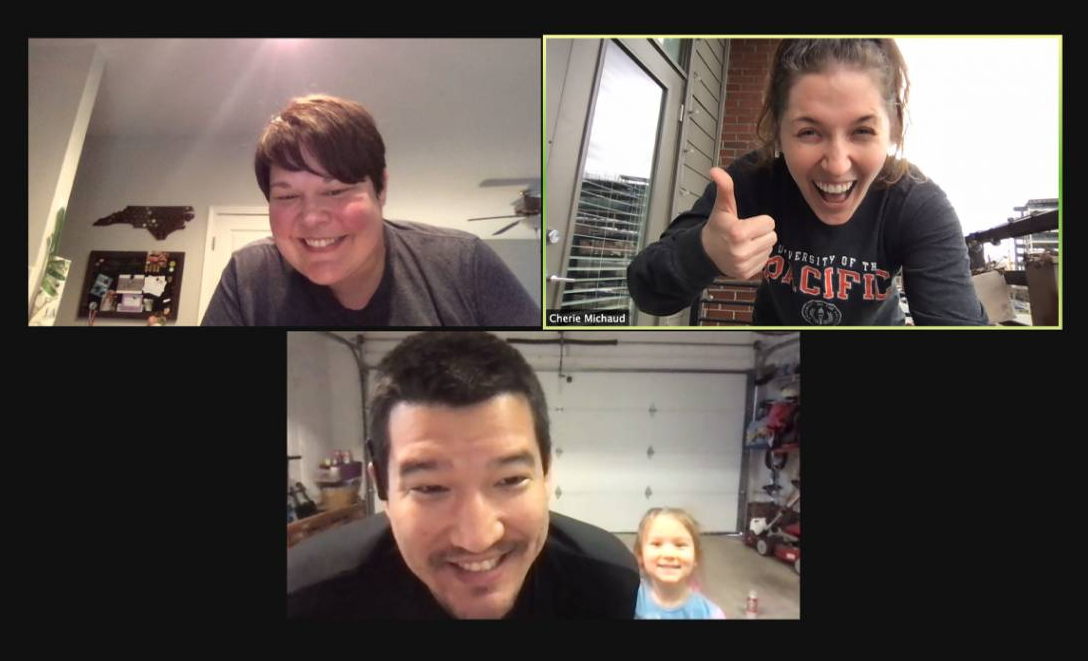
“These levels of loneliness are heartbreaking. We have big holes in our social fabric,” says Rick Weissbourd referencing our loneliness report published in February. Jonathan Black from Duke University writes about how coworkers helped teammates cope with social isolation.
Read More
How are integrated schools seen as "educationally inferior, even as, paradoxically, parents recognize their value in the abstract?" writes Amanda Hambrick Ashcraft She Knows. Based on our research, when presented with options, white parents choose schools that are more white and more affluent than other choices available to them Why is this?
Read More
"You shouldn’t gain status from how few people you accept. You should gain status from how many people you educate. We’re making the case that selective colleges should educate more people and a more diverse population," says Rick Weissbourd in this HGSE interview about our new white paper, Innovation and Justice: Reinventing Selective Colleges.
Read More
Creating an equitable, inclusive school culture can be key in preventing a wide array of social and emotional problems and promoting the development of caring, responsible, and respectful children, even when school is remote. Because students primarily take signals from other students about social norms and what is ethically acceptable, and because students have inside knowledge about social dynamics, it is mainly students – especially acting together – who can change norms. One way to empower students to create positive social norms is by creating school climate committees comprised of students who work with peers and staff to develop these norms. This session focuses on the School Climate Committee, a strategy designed to help students – and adults – work collaboratively to shape their school environment. This session focuses on:
how to create a strong, effective committee of youth leaders that represents a diversity of voices among the student body and works with school staff to prevent bullying and other school social problems
how to use data to inform decision making and improve school climate, including creating more caring, inclusive social norms
how to provide students with a sense of agency and empowerment
We look forward to sharing evidence-based best practices. This will be an interactive experience, so we look forward to hearing what's working in your school community too! Please email caringschools@makingcaringcommon.org with any questions.
Read More
Loneliness has become universal as the global pandemic has caused social isolation like we've never experienced. "Sure, we have social media, Zoom and other 21st century ways of connecting, but these are simply Band-Aids to cover a deeper sense of loneliness," writes Brennan Barnard in Forbes.
Read More
College admissions in 2020 looked very different from previous years, says Lucille Brewster in this piece published by Vassar College’s student newspaper, The Miscellany News.
“We know many students didn’t have access to the same opportunities that they have had in the past, many had to care for others or had their own challenges, and many schools temporarily changed their grading policies,” said Vassar’s Dean of Admissions and Financial Services Sonya Smith.
Smith was one of 370 admissions officials to sign our Care Counts in Crisis: College Admissions Deans Respond to COVID-19 statement.

"There are all the concerts we didn’t go to, the plays & dinner parties we didn’t enjoy...This is a loss of emotional nutrition. It manifests socially as loneliness," writes David Brooks in the New York Times, referencing our survey data suggesting that 61% of young adults felt "serious loneliness" during the pandemic.
Read More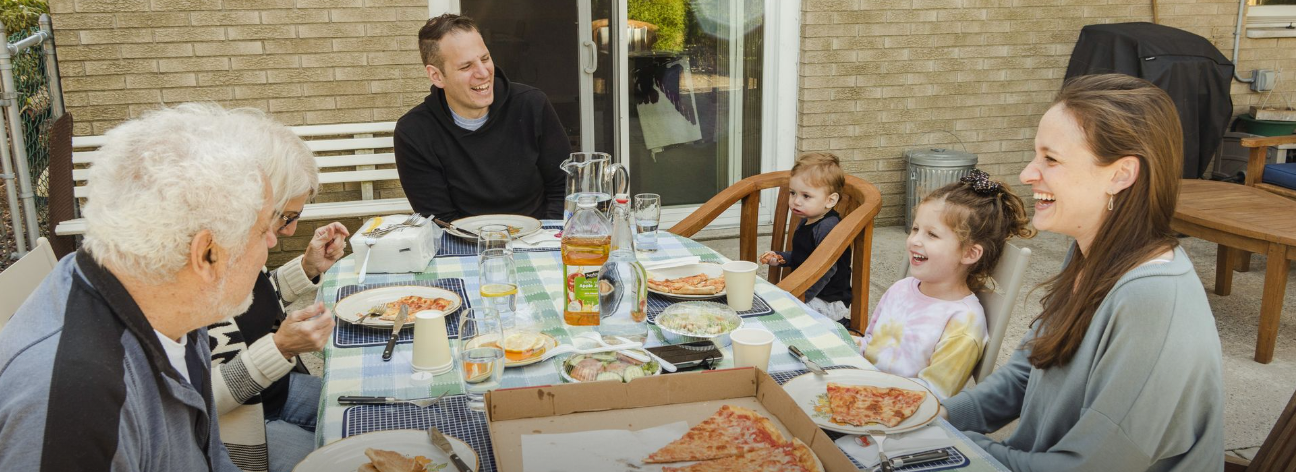
Have you interacted more with your neighbors in the last year? During the pandemic, people have grown closer to their neighbors and sometimes relied on them during crises." There is this quality of a powerful shared experience, and many people have really helped one another,” says Rick Weissbourd in this Wall Street Journal piece by Anne Marie Chaker.
Read More
Research shows that acting with kindness and care makes people feel good by building connections with others and reinforcing a positive view of themselves. This sense of connection is all the more important in a time when students may not be interacting in person. Kindness and caring are contagious—they can spread and influence people to do good deeds beyond their existing networks.
This session will share a strategy to help students practice intentional acts of caring and to share and learn from their experiences. Learn how to help students reflect on and discuss how to encourage more kindness and caring, for themselves and others, at their school and beyond. They will practice regular intentional acts so they become routine and normalized parts of students’ lives. The activity encourages a variety of kind and caring acts, including self-care.
Read More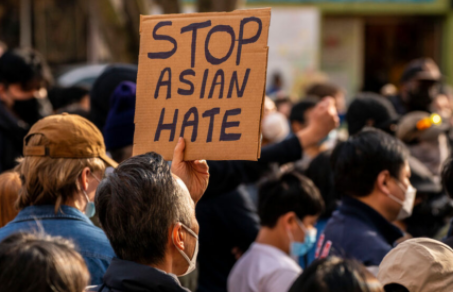
"Finding simple things in common with other people can be a powerful way to help kids develop empathy for people who look different from them," writes Christine Koh for CNN.
Koh provides seven helpful suggestions for how parents can support their children through latest wave of anti-Asian American violence.