So what do admissions officials say they want and don’t want?" College officials have long talked about their holistic admissions practices, but the fact is that test scores have played a large role in many admissions decisions and can even determine where a student decides to apply. For next year, test scores won’t be a factor," writes Valerie Strauss in The Washington Post.
Read MoreRead the latest from Making Caring Common!
You’re in the right place for our media coverage, blog posts, and event information. Our work spans a range of topics, all connected by our commitment to elevate caring and concern for the common good at school, at home, and in our communities. You can review what’s new below or use the dropdowns to sort by topic and category.
Be sure to join our email list and connect with us on Facebook, LinkedIn, and Instagram, to stay current with Making Caring Common’s news and updates. If you’re a member of the media, please visit our Media Room.
Sort by topic
- Access and Equity
- Bias
- Bridging
- Building Connection
- Bullying
- COVID
- CSN
- Caring and Empathy
- College Admission
- Consent
- K-12
- Loneliness
- Mental Health
- Misogyny and Sexual Harassment
- Moral and Ethical Development
- Parenting
- Purpose and Meaning
- Romantic Relationships
- School Culture and Climate
- School Integration
- Social-Emotional Learning
- State of Caring
- Turning the Tide
- Voter Mobilization and Civic Education
- Youth Advisory Board
Sort by category
James Vaznis writes in The Boston Globe about the new collective statement from college admissions deans.
Read MoreScott Jaschik writes in Inside Higher Ed about our new statement that we issued with more than 300 admissions deans. The statement focuses on valuing self-care and family care -- and urging students to share their context so that colleges can understand their situations.
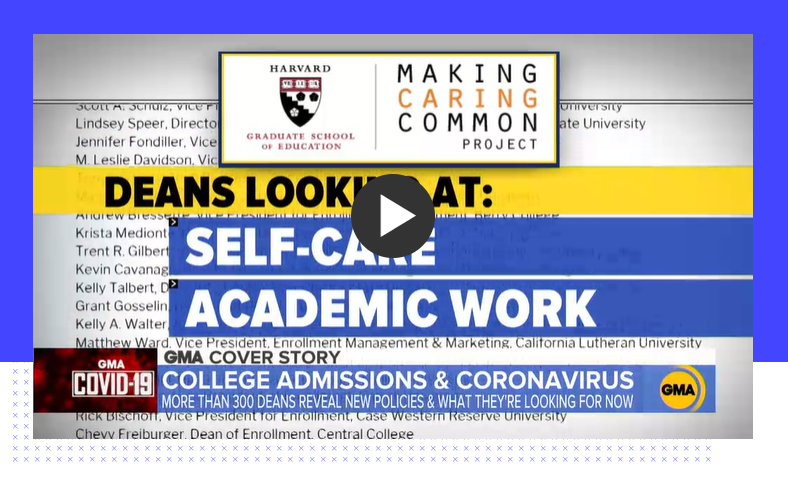
Read MoreGood Morning America highlights Making Caring Common's collective statement signed by more than 300 college admissions deans. The statement places an emphasis on things such as self-care along with academics amid the coronavirus pandemic.
Read MoreWe can't predict the future. "That doesn’t mean, however, that we should stop working towards our goals," writes Brennan Barnard in Thrive Global. Our new statement discusses what colleges value and "reflects an ongoing commitment to a more hopeful future."
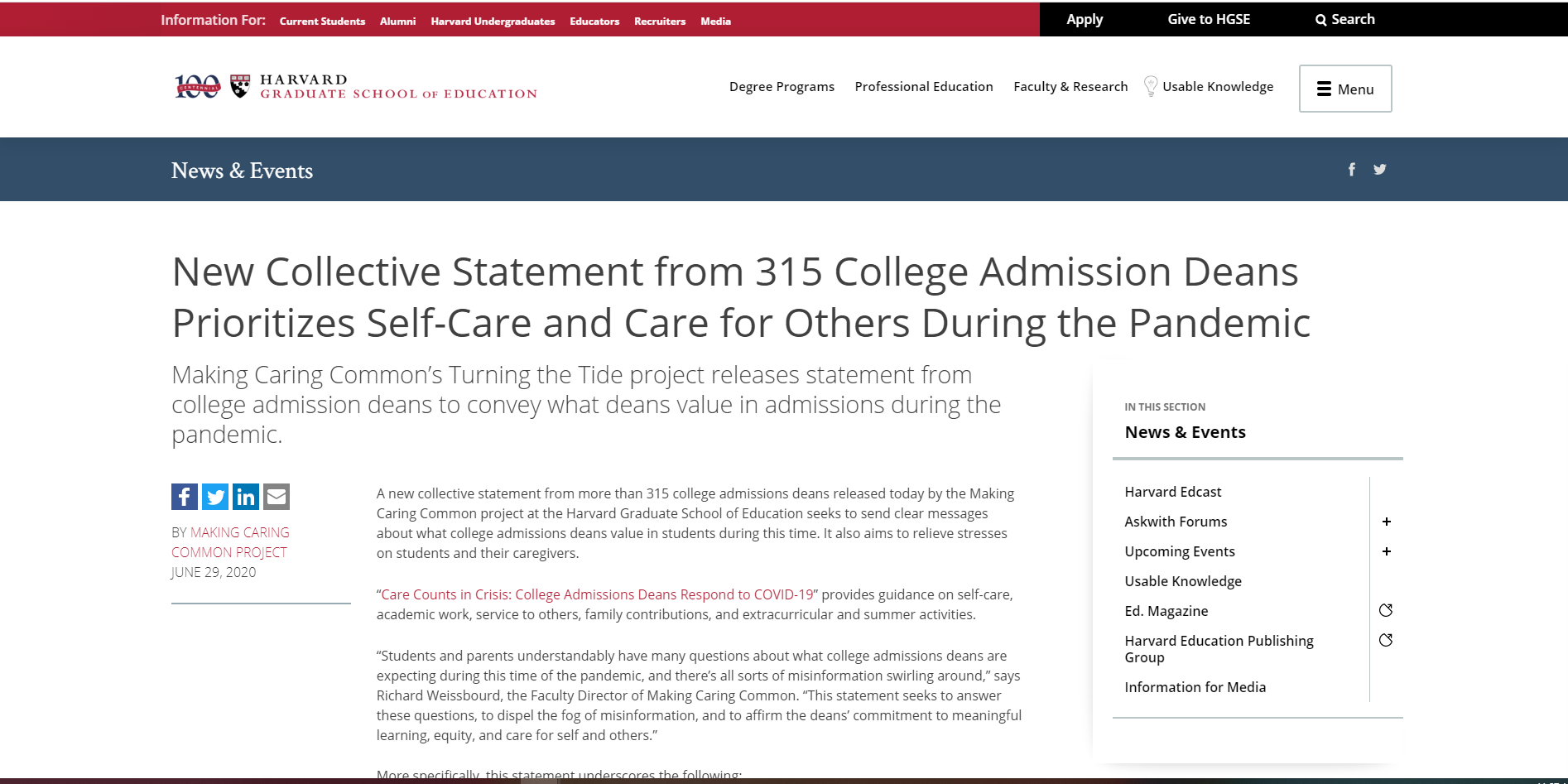
Read MoreHarvard Graduate School of Education News covers our new collective statement, “Care Counts in Crisis: College Admissions Deans Respond to COVID-19” that provides guidance on self-care, academic work, service to others, family contributions, and extracurricular and summer activities.
Read MoreA new collective statement from more than 315 college admissions deans released today by the Making Caring Common project at the Harvard Graduate School of Education seeks to send clear messages about what college admissions deans value in students during this time. It also aims to relieve stresses on students and their caregivers. Care Counts in Crisis: College Admissions Deans Respond to COVID-19 provides guidance on self-care, academic work, service to others, family contributions, and extracurricular and summer activities.
Read MoreThere's a silver lining amid the considerable challenges many families are facing right now, writes Brennan Barnard in Thrive Global. In this personal reflection, he references our report about fathers during the pandemic.
Read MoreRick Weissbourd tells Scripps National that not only is it respectful to give our kids space to speak, it also enables us to learn a lot about them and deepens our relationships with them.
Read MoreRichard Weissbourd and Eric Torres, co-authors of our report on school integration, spoke with WUWM's Lake Effect about school choice in Wisconsin. Even though parents say they want diverse schools, they often don’t make it a priority.
Read MoreMaking Caring Common’s research about fathers during the pandemic was featured in Dad 2.0 Podcast. They spoke about how a majority of fathers in the United States report feeling closer to their children.
Read MoreHave you gotten to know your kids better during the pandemic?
"I think we're all better parents when we know our kids better," says Making Caring Common's Rick Weissbourd. Jennifer Passmore from Moms writes about our report on fathers during the pandemic.
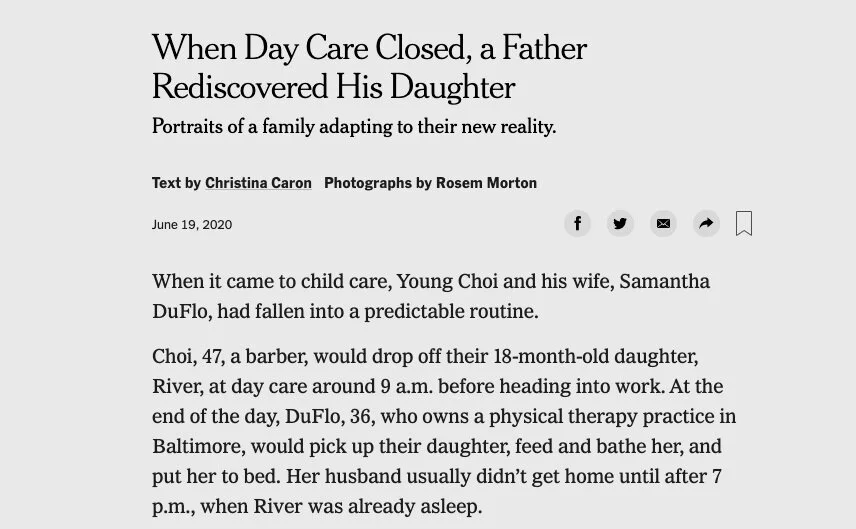
Read MoreChristina Caron cites Making Caring Common’s research on fathering during the pandemic in The New York Times. Photos by Rosem Morton.
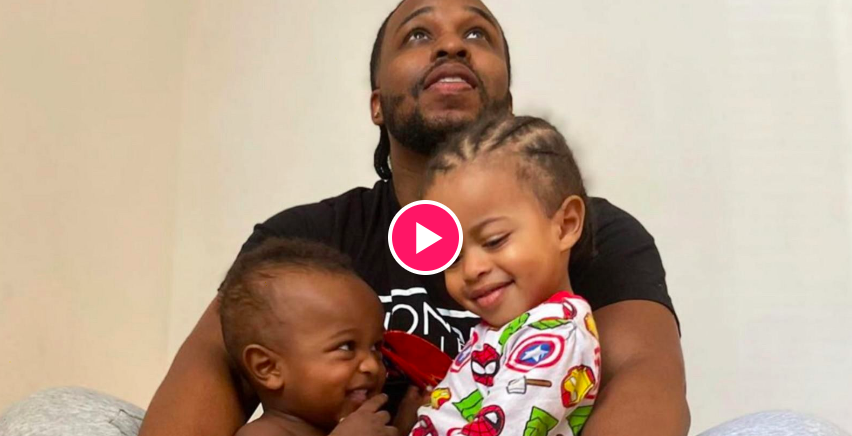
Read MoreFathers spending more time with their children could be a silver lining of the pandemic, writes Allison Slater Tate in Grown and Flown. She discusses our new report and highlights different families' experiences during COVID-19.
Read More“We're asking for change so that our kids can feel as close to dad next Father's Day as they do today," writes Heather Marcoux in Motherly Media. She also cites our new report How the Pandemic is Strengthening Fathers' Relationships with Their Children.
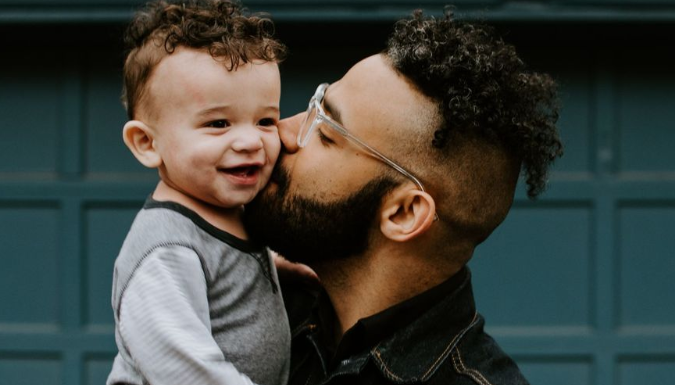
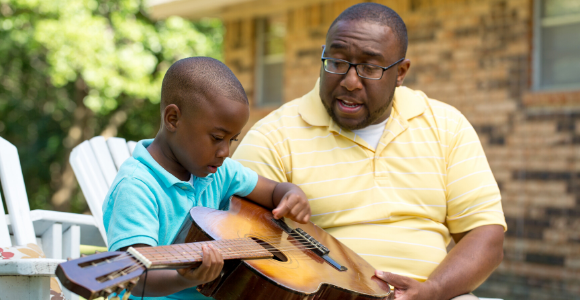
Read MoreIn new research, Harvard’s Making Caring Common explores how the pandemic has strengthened the relationship between fathers and their children. New research published today suggests that almost 70% of fathers across race, class, educational attainment, and political affiliation in the United States feel closer to their children during the coronavirus pandemic.
Read MoreGood Morning America highlights Making Caring Common's preliminary research that shows a renewed bond between fathers and children during these challenging times.
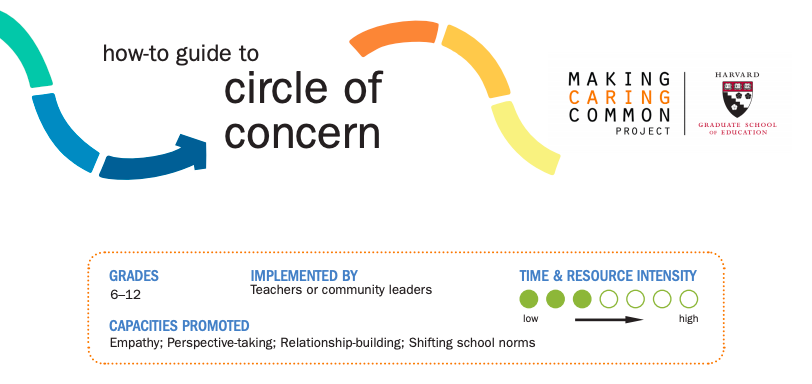
Read MoreJoin us for our free interactive training: “Circle of Concern: Developing greater empathy in students and ourselves.” Helping students develop greater empathy is essential for building a positive school climate, but equally important is considering who students have empathy for. Children and adults alike are predisposed to empathize for those who are in their own social group.
Read MoreIn response to the outrageous and sickening killings of George Floyd, Ahmaud Arbery, and Breonna Taylor in recent weeks, we want to add our voices to the many Americans who recognize how destructive silence is in the face of racism and who are underscoring that white people need to go far beyond the usual lip service to racial justice. We also want to express that we stand with and will search for ways to support Black and Brown communities who are dealing now—and who have dealt for far too long—with unconscionable inequities and trauma.
Read MoreJoin us Thursday, July 16 from 3-4pm ET for our free interactive training on “Everyday Gratitude.” Research shows that gratitude is a predictor of both physical and mental well-being and can be regarded as a moral emotion related to recognizing the feelings and intentions of others.
Read More