Want your kids to value their community service? Ask them questions that get them reflecting about what they learned. Check out these suggestions from MCC's faculty director, Rick Weissbourd in HGSE’s Usable Knowledge.
Read More
Read the latest from Making Caring Common! You’re in the right place for our media coverage, general updates, and press releases. Topics include: Access and Equity, Bias, Bullying, Caring and Empathy, College Admissions, Gender, MCC Update, Misogyny and Sexual Harassment, Moral and Ethical Development, Parenting, Romantic Relationships, School Culture, Trauma, and Youth Advisory Board.
Join our email list and connect with us on Facebook and Twitter to stay current with Making Caring Common’s news and updates.
You’re in the right place for our media coverage, blog posts, and event information. Our work spans a range of topics, all connected by our commitment to elevate caring and concern for the common good at school, at home, and in our communities. You can review what’s new below or use the dropdowns to sort by topic and category.
Be sure to join our email list and connect with us on Facebook, LinkedIn, and Instagram, to stay current with Making Caring Common’s news and updates. If you’re a member of the media, please visit our Media Room.
Want your kids to value their community service? Ask them questions that get them reflecting about what they learned. Check out these suggestions from MCC's faculty director, Rick Weissbourd in HGSE’s Usable Knowledge.
Read MoreIn this piece for Forbes, Brennan Barnard urges families to dig deeper than acceptance rates in their college search process.
Read MoreKids might feel that the world is spinning out of control after the Uvalde, Texas shooting, MCC’s Rick Weissbourd tells the Los Angeles Times. Parents can support them by helping them turn "passivity into activity."
Read MoreGenesis Rivas cites MCC research in this Shape magazine piece that takes a look at definitions of loneliness, some causes of loneliness, and tips for managing it.
Read More“I used to text my wife on the train ride home, asking how everyone’s day was. Now I am part of that day. And I love that.”
MCC research suggests that many fathers, like the dad quoted above, have felt closer to their kids since the pandemic began. In this Slate piece, Brigid Schulte and Kate Mangino take a closer look at how future opportunities to balance work and childcare will largely be shaped by men.
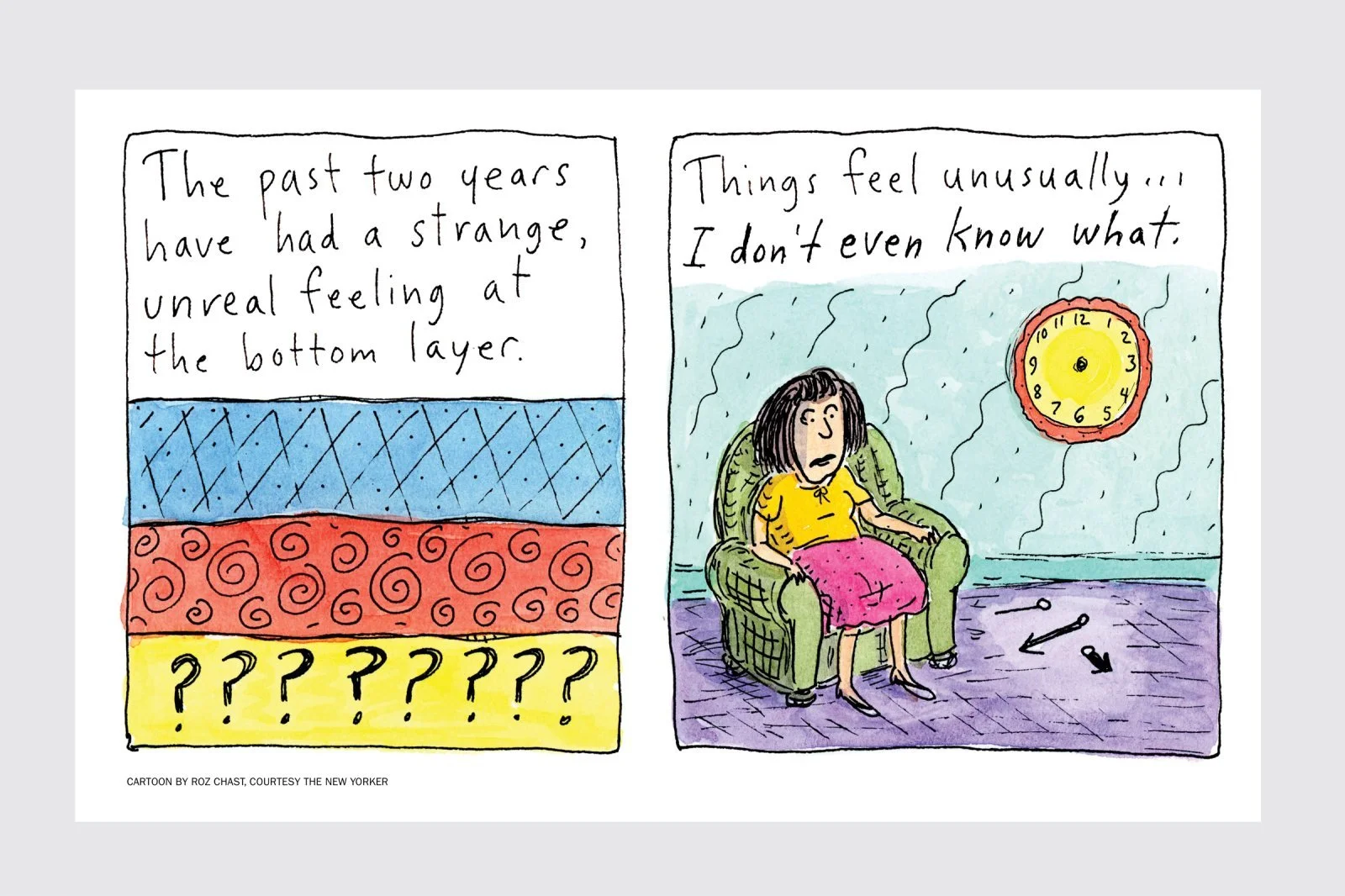
Read MoreWhy does it feel so hard to care right now? TIME’s Lily Rothman speaks with MCC’s Rick Weissbourd about “the harder forms of caring” and how race and class have informed people’s experiences of loneliness over the last two years.
Read MoreHow did the pandemic impact students’ admissions and college choice process and experiences? Melissa Ezarik spoke with MCC’s Rick Weissbourd for this piece in Inside Higher Ed.
Read MoreUnbound interviewed MCC’s Milena Batanova about the valuable “soft skill” of empathy in the workplace.
Says Batanova: To “truly empathize, to listen and be present and to think about improving others’ lives…that can go a long way in any profession, and there’s nothing simple or soft about it.”
Read MoreIn this piece for Best Colleges, Mark Drozdowski highlights MCC research and writes that demonstrating good character can give students an edge in college admissions—but it remains unclear just how significant that edge might be.
Read MoreIn the latest from Inside Higher Ed, Richard Weissbourd is quoted in an article about why current admissions and enrollment decision making and desires involve common-sense thinking on location, price and flexibility.
Read MoreOne needs simply to turn on the news to realize that we are a world divided, writes MCC’s Brennan Barnard in Forbes. But what if, instead of a battlefield, the world was a schoolhouse?
Read MoreAndrew Bauld offers advice for how to nurture a caring school community — to confront biases, divisions, and challenging topics — in HGSE’s Usable Knowledge.
Read MoreMCC’s Brennan Barnard reflects on the thirty years he has spent as a college admissions advisor in Forbes, pointing out how even today, the admission landscape can dramatically change even in one year.
Read MoreLoving and being loved can be one of the most meaningful parts of life. So why don’t adults spend more time talking to teens and young adults about how to develop and maintain healthy romantic relationships?
Read MoreThe political divide in the United States has been growing steadily for years. Psych Central argues that, although we’re more polarized than we’ve been in modern history, it’s still possible to have productive conversations about political beliefs. They quote MCC’s Richard Weissbourg, who argues that dfference and disagreement are healthy and necessary for a thriving democracy.
Read MoreMaking Caring Common’s classroom check-in survey is a quick, easy, and confidential way for educators to assess student well-being whether students are in school or learning remotely.
Read MoreAfter a busy week in both the legal and administrative landscape of higher education, MCC’s Brennan Bernard offers an intentional approach to college admission in Forbes.
Read MoreAs devastating as the pandemic has been, it has also exposed wide holes in our social fabric. We're in an epidemic of loneliness, exacerbated by decades of a competition-based mindset and innate need to "prove" our worthiness, writes Chris Prange-Morgan in Psychology Today, However, she writes that we can learn from one another’s struggles as well as grow from helping one another and accepting help. Furthermore, studies show we might be ripe for collective change.
Read MoreModern society has torn us apart in many ways. Grown kids scatter across the country and around the globe. More people live alone than ever before. Polarized ideology divides family and friends. And perhaps most insidious, social media spotlights supposedly idyllic lives that can make our own existence seem isolated and pathetic. The result: We’re growing more and more lonely. And it’s killing us, figuratively and literally.
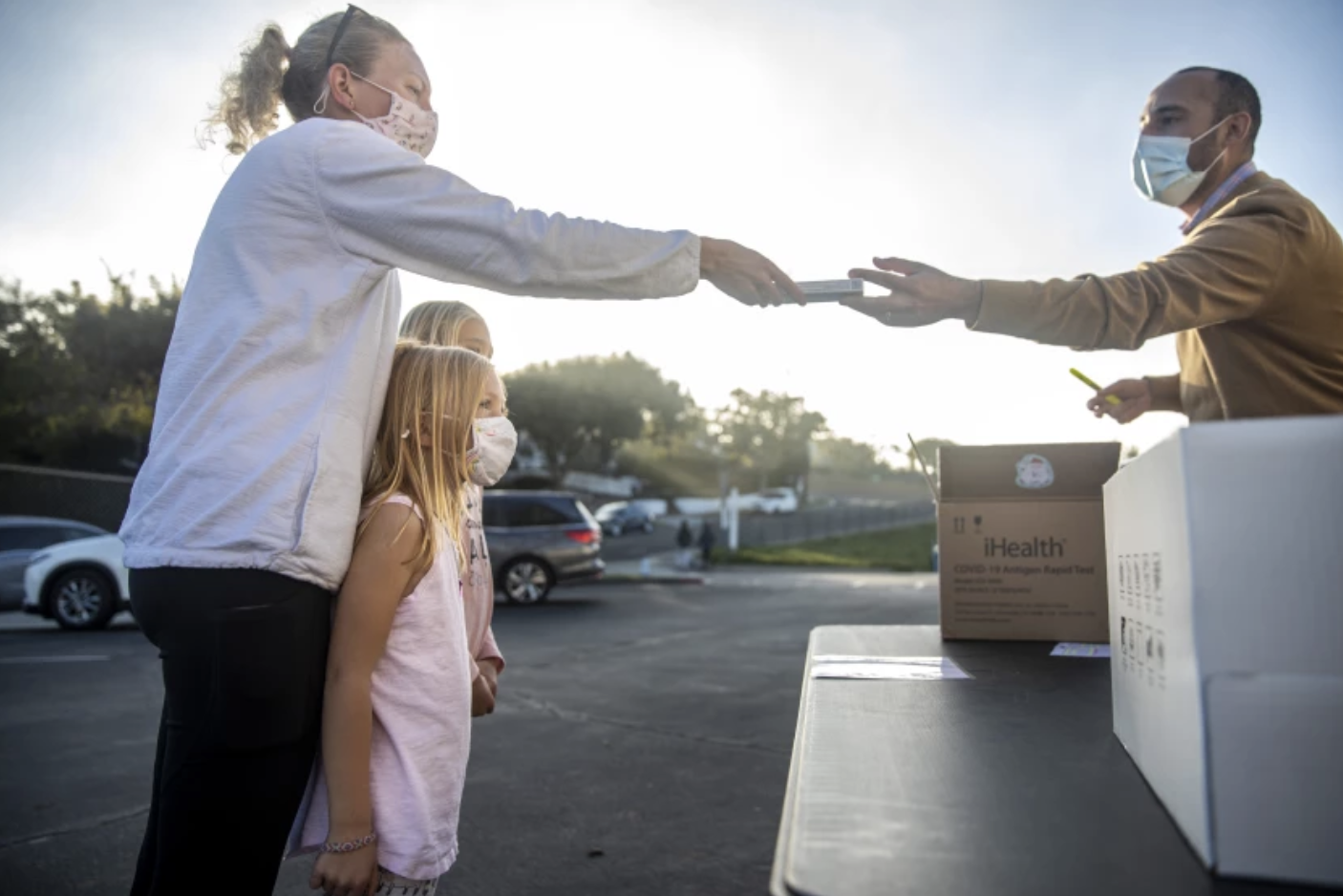
Read MoreThough we’re in a better spot than we were a year ago, with a vaccine that shields most of us from severe COVID-19 symptoms and with kids back in school, this latest surge caused by the Omicron variant feels reminiscent in many ways to the darkest seasons of the pandemic. The good news is that parents can be a stabilizing force in their kids’ lives during this era of unpredictability
Read More