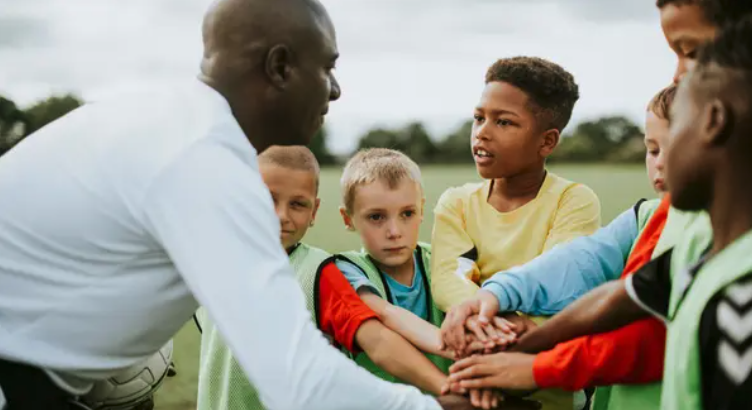
Coaches can foster a positive team environment and encourage key life lessons if they are thoughtful and intentional in their approach.
Check out these tips from The Good Men Project!

Read the latest from Making Caring Common! You’re in the right place for our media coverage, general updates, and press releases. Topics include: Access and Equity, Bias, Bullying, Caring and Empathy, College Admissions, Gender, MCC Update, Misogyny and Sexual Harassment, Moral and Ethical Development, Parenting, Romantic Relationships, School Culture, Trauma, and Youth Advisory Board.
Join our email list and connect with us on Facebook and Twitter to stay current with Making Caring Common’s news and updates.
You’re in the right place for our media coverage, blog posts, and event information. Our work spans a range of topics, all connected by our commitment to elevate caring and concern for the common good at school, at home, and in our communities. You can review what’s new below or use the dropdowns to sort by topic and category.
Be sure to join our email list and connect with us on Facebook, LinkedIn, and Instagram, to stay current with Making Caring Common’s news and updates. If you’re a member of the media, please visit our Media Room.
Coaches can foster a positive team environment and encourage key life lessons if they are thoughtful and intentional in their approach.
Check out these tips from The Good Men Project!
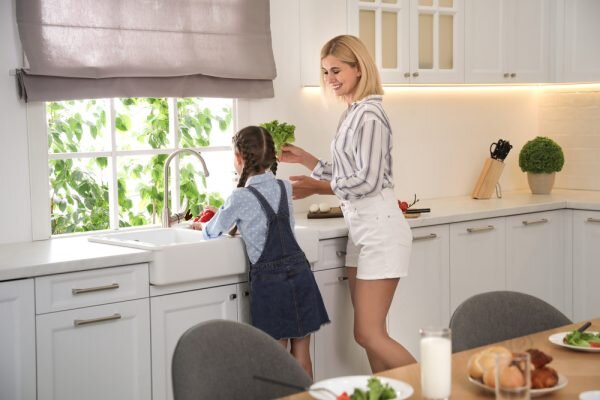
One silver lining of being home all day every day during COVID-19 lockdowns?
Family dinner time!
Over 50% of families we surveyed ate meals together last year and would like make it a habit. Our friends at The Family Dinner Project provide some helpful tips for parents for how to build the back-to-school dinner habits that work for your family.
Read MoreHow important are college rankings?
"If our numbers-driven, quantify everything, judgment culture has its claws deep into you such that you simply cannot resist the need to surrender to ratings and rankings, then at least do your homework,” writes Brennan Barnard in Forbes.
Read MoreHow can we lay the groundwork for more constructive political dialogue?
"We can begin by listening to each other, and we can try to learn about those we perceive as our opponents. We can lead with grace instead of leading with the quick burn. We can create space for respectful dialogue. And we can take pride in knowing that these small acts can add up to something much greater," write MCC's Ali Cashin and Rick Weissbourd in this piece for The Greater Good Science Center.
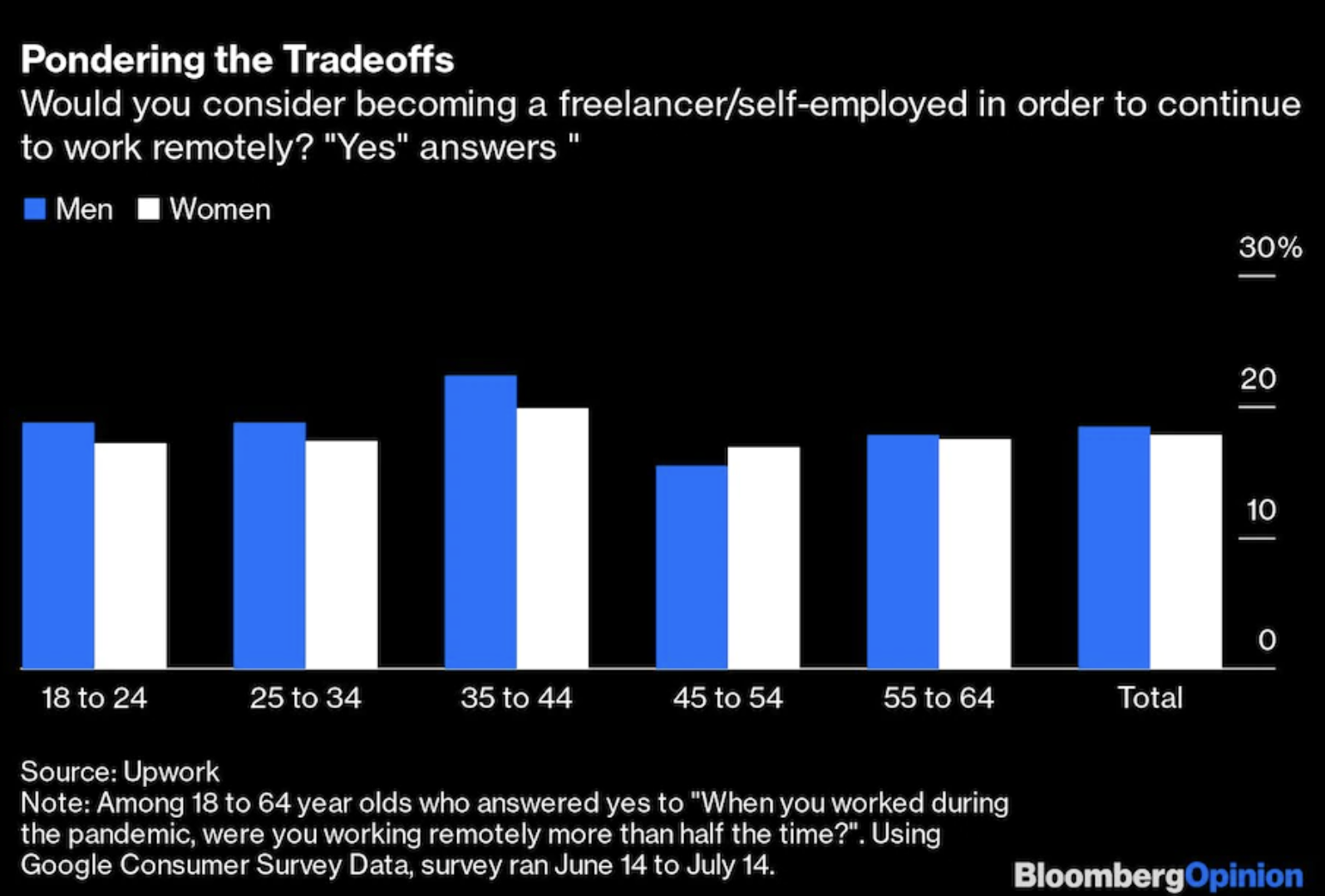
Read MoreHow will new fathers weigh the pros and cons of returning to an office?
“In the case of new fathers, the pandemic might have spawned a long-overdue cultural shift in how to balance workplace and family life," writes Conor Sen in the The Washington Post.
Read MoreThis Buffalo News piece references three key aspects of empathy:
Taking someone else’s perspective
Identifying with another’s feelings
Learning to value human beings outside ourselves help us develop “a moral identity.”
Cartoon Network has launched a campaign about how to be a positive gamer. These videos give kids tips on heading off bullying before it starts. Since 2010, Stop Bulling Speak Up has empowered kids to develop greater kindness, caring, and empathy.
Read MoreThe U.S. Department of Labor's American Time Use Survey confirmed that dads spent more time with their kids in 2020.
"One of the questions is are fathers going to take the first train back to normal here ... or are they going to maintain some of this time and some of this closeness?” Rick Weissbourd asks in this Reuters article about the survey's results.
Find out more about how Americans spent their time last year during the pandemic.
Read MoreUbuntu, a South African word, is "recognition that we are all bound together in ways that can be invisible to the eye; that there is a oneness to humanity; that we achieve ourselves by sharing ourselves with others, and caring for those around us,” said former president Barack Obama.
Ubuntu is a reminder that caring matters, especially caring for those who are different from us.
Read More"Helping people who are lonely or depressed is hard. If we’re going to build the kind of society we want, we’re all going to have to sacrifice,” says Rick Weissbourd in the Chicago Tribune.
Read MoreDid you know that the new U.S. Census Bureau’s report shows that the number of children living in father-absent homes is down to 18.3 million?
Lake Country News cites our fatherhood research in this piece about the new data.
Read MoreWhat can we encourage with the carrot of educational access? And what supports must be in place to make these incentives effective?
Brennan Barnard writes in Forbes about enticing education, innovating incentives & supporting scholarships.
Read More"The reality is this: Selective colleges, a portal to leadership and power in a wide array of fields, can now educate far more—and far more diverse—students...And they could create these pathways without threatening their revenue," argue the authors of our recent white paper.
Read more in this Inside Higher Ed piece by Scott Jaschik.
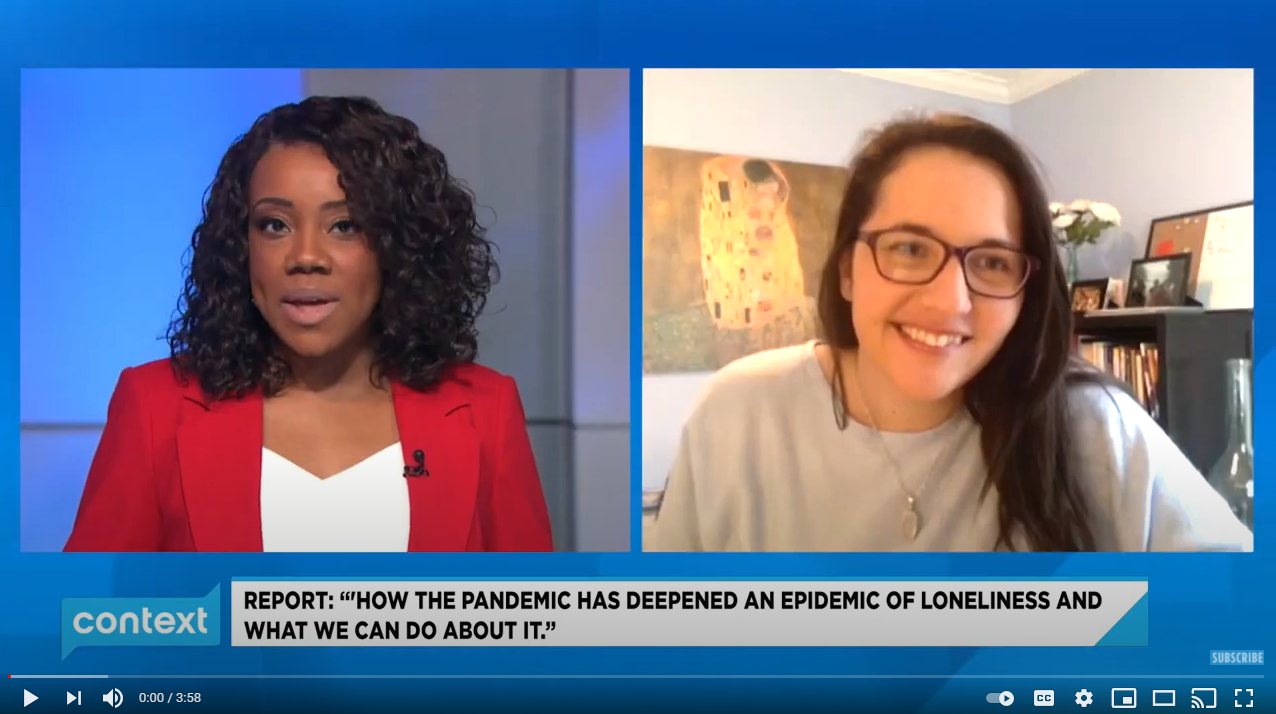
Read MoreCheck out this segment on Context Beyond the Headlines that references our Loneliness in America research and highlights the report's findings. MCC's Milena Batanova is featured in this interview about examining the impact of the pandemic on mental health.
Read MoreDue to the pandemic, for the first time since the Great Depression, the majority of young adults currently live with their parents, according to a 2020 study by the Pew Research Center. Antonia Lehnert elaborates on this, noting that “for many, college provided a much-needed structure to their lives. The summer leaves many wading in the emptiness of quarantine.”
Read MoreWhat do college admissions and pharmaceutical companies have in common? If a pharmaceutical company could “produce exponentially more vaccine doses but chose not to, there would be an uprising. And, if that pharmaceutical company disproportionately made the vaccine available to rich, white citizens, people would cry foul. A version of this happens every year in college admission, and unconscionably a culture of exclusivity celebrates this phenomenon rather than questions the inherent absurdity, inequity, and impact on qualified applicants." writes Brennan Barnard in Forbes.
Read MoreWith more people vaccinated and social activities picking up, will we finally feel less lonely?
“After a year of bingeing Netflix shows and battling the coronavirus, spirits are lifting across the country as vaccinations steadily roll out. But ‘the jab’ doesn’t cure all coronavirus ills,” write Erin Hunter and Lily Robinson in the Daily Hampshire Gazette.
Read More1 in 4 teens think it’s okay to breakup by changing your social media status to “single,” according to a Pew Research Center report from 2015. In this Washington Post piece, MCC's Rick Weissbourd "calls breakups a 'very powerful source of ethical education,' a chance for teens to reflect on their responsibilities to other people."
Read More“These levels of loneliness are heartbreaking. We have big holes in our social fabric,” says Rick Weissbourd referencing our loneliness report published in February. Jonathan Black from Duke University writes about how coworkers helped teammates cope with social isolation.
Read More