What if admissions officers would look favorably on students who attended an economically integrated school, much as they do those who have had unusual travel experiences or outstanding extracurricular achievements? This new theory builds on Making Caring Common’s Turning The Tide report that outlines its partnership with colleges to de-emphasize applicants' resume padding and hyper-competitive achievement, and prioritize communal values and work taking care of others.
Read MoreRead the latest from Making Caring Common!
You’re in the right place for our media coverage, blog posts, and event information. Our work spans a range of topics, all connected by our commitment to elevate caring and concern for the common good at school, at home, and in our communities. You can review what’s new below or use the dropdowns to sort by topic and category.
Be sure to join our email list and connect with us on Facebook, LinkedIn, and Instagram, to stay current with Making Caring Common’s news and updates. If you’re a member of the media, please visit our Media Room.
Sort by topic
- Access and Equity
- Bias
- Bridging
- Building Connection
- Bullying
- COVID
- CSN
- Caring and Empathy
- College Admission
- Consent
- K-12
- Loneliness
- Mental Health
- Misogyny and Sexual Harassment
- Moral and Ethical Development
- Parenting
- Purpose and Meaning
- Romantic Relationships
- School Culture and Climate
- School Integration
- Social-Emotional Learning
- State of Caring
- Turning the Tide
- Voter Mobilization and Civic Education
- Youth Advisory Board
Sort by category
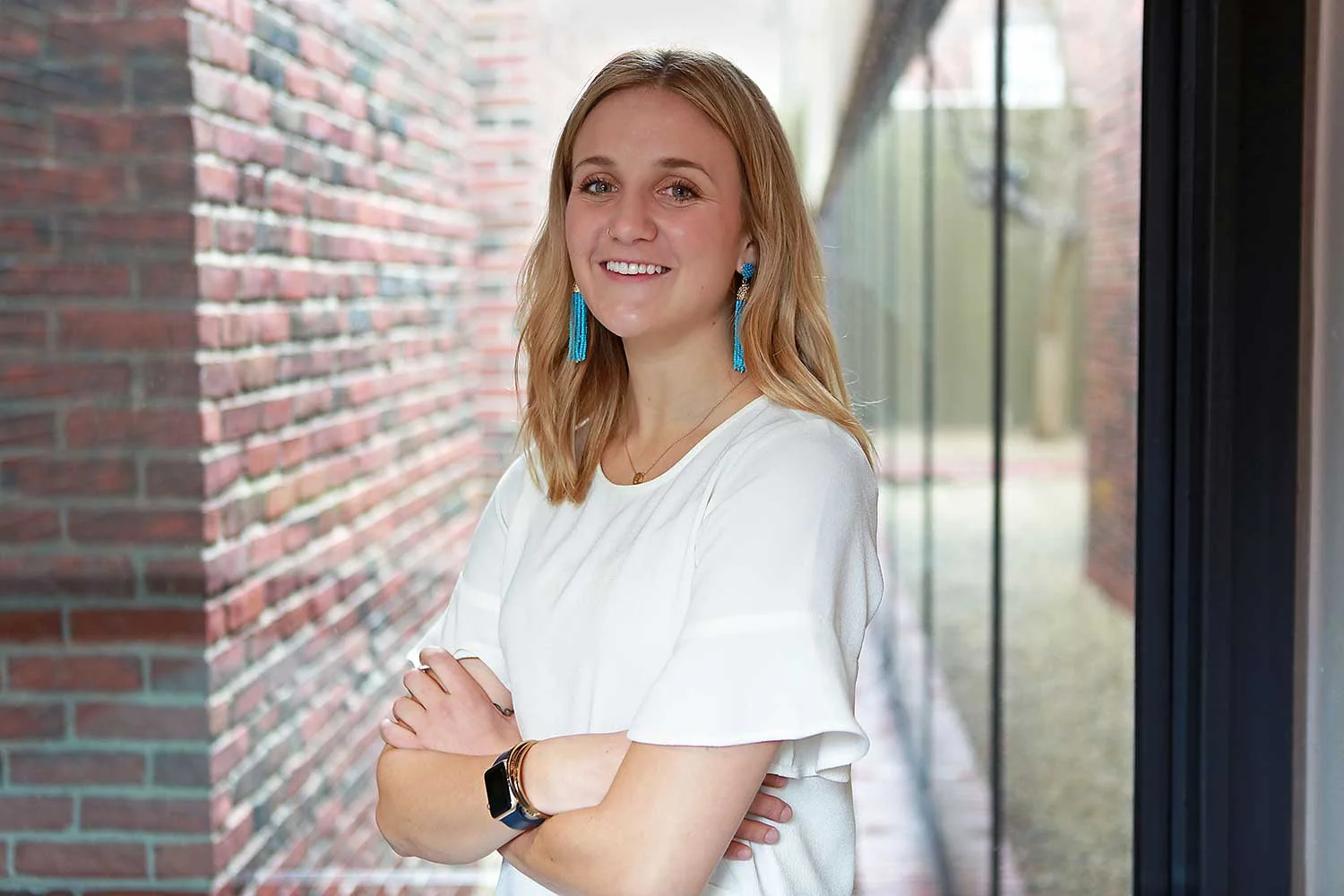
Making Caring Common intern Bene Webster proudly describes herself as a former “nut” — a quality that she always found helpful when dealing with some of the behavior problems in her third-grade classroom in New Orleans. “I found that giving my students more freedom and autonomy, not less, resolved a lot of what others perceived to be behavior problems. It is easy to forget that kids are human beings, and at the end of the day they want to be free and able to be themselves just as much as the rest of us.”
Read More