
Humans of Your School
Students’ capacity for empathy can be developed by learning to appreciate other people’s stories.
By engaging with others in a structured way and trying to shape a narrative that encapsulates a piece of that person, students will understand the nuances of lived experiences, values, and perspectives. By interviewing others, especially those who may be different from them, they will practice vulnerability and develop trust, which in turn will strengthen their school community.
With this light-lift strategy, students will dive into narratives of self and others to offer more nuanced perspectives and feelings around people’s stories. The narratives will mirror the “Humans of New York” series, and students will study a few of them to get a sense of the expectations (e.g., interviewing other students or faculty members). Humans of Your School provides students with opportunities to connect with those different from them, to listen to different stories and try to understand their different perspectives, and to appreciate differences while also finding commonalities.
Last reviewed March 2023.
Overview
For: Educators, counselors, peer leaders, and anyone who works with youth
Ages: K-12
Resource Type: Strategy
Related resources
Build-It Challenge can be used regularly with students to promote teamwork and communication.
Newsball is a game that can be used regularly with students to build a foundation for the practice and habit of empathy and active listening, while building classroom community.
The more students practice active listening, without being in a two-way conversation, the more they’ll come to value showing interest when someone is speaking, trying to understand their thoughts and feelings, and making them feel heard. The personal nature of the listening prompts also sets the stage for student sharing, which can build trust and connection in the classroom.
With this light-lift strategy, students will practice being active, authentic listeners with a partner — listening to make the speaker feel heard and without the need to reciprocate the conversation, but rather, to better understand and communicate with the speaker. By speaking for up to a few minutes, speakers will also get more comfortable sharing about themselves and expressing vulnerability.

With this light-lift strategy, students explore the concept of gratitude through self-reflection and writing thank you notes to people in their lives to recognize things they appreciate about people in their classroom, school, and beyond. Students also engage in activities that encourage them to consider both real and hypothetical situations around the positive things in their lives.
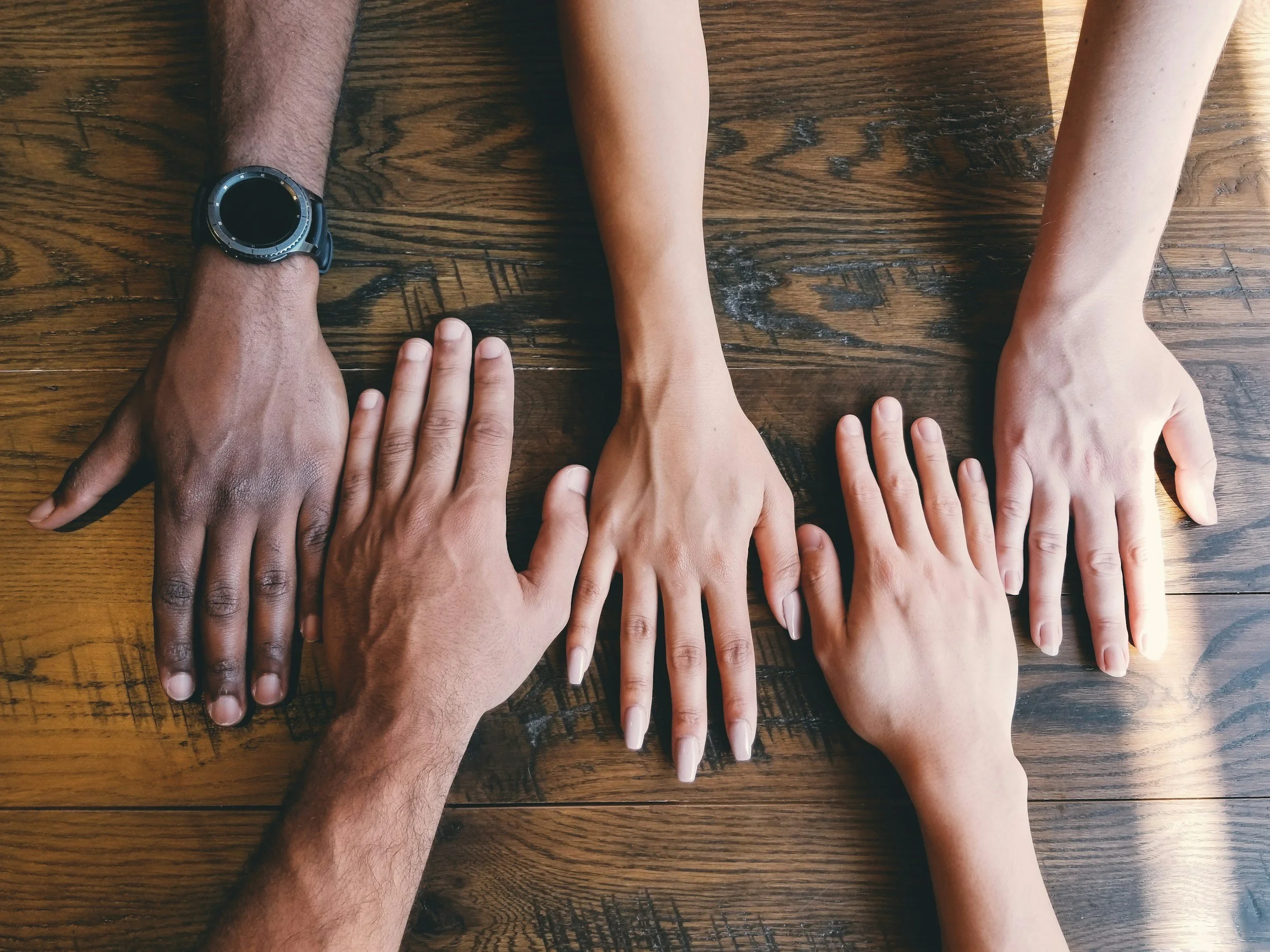
Children and adults alike are predisposed to empathize for those who are in their own social group. Empathy for many different kinds of people is important in its own right and is the basis for children’s developing conceptions of and commitments to fairness and justice. The Circle of Concern strategy is designed to help children — and adults — become more aware of those for whom they don’t have empathy. It is also designed to widen their circle of concern.
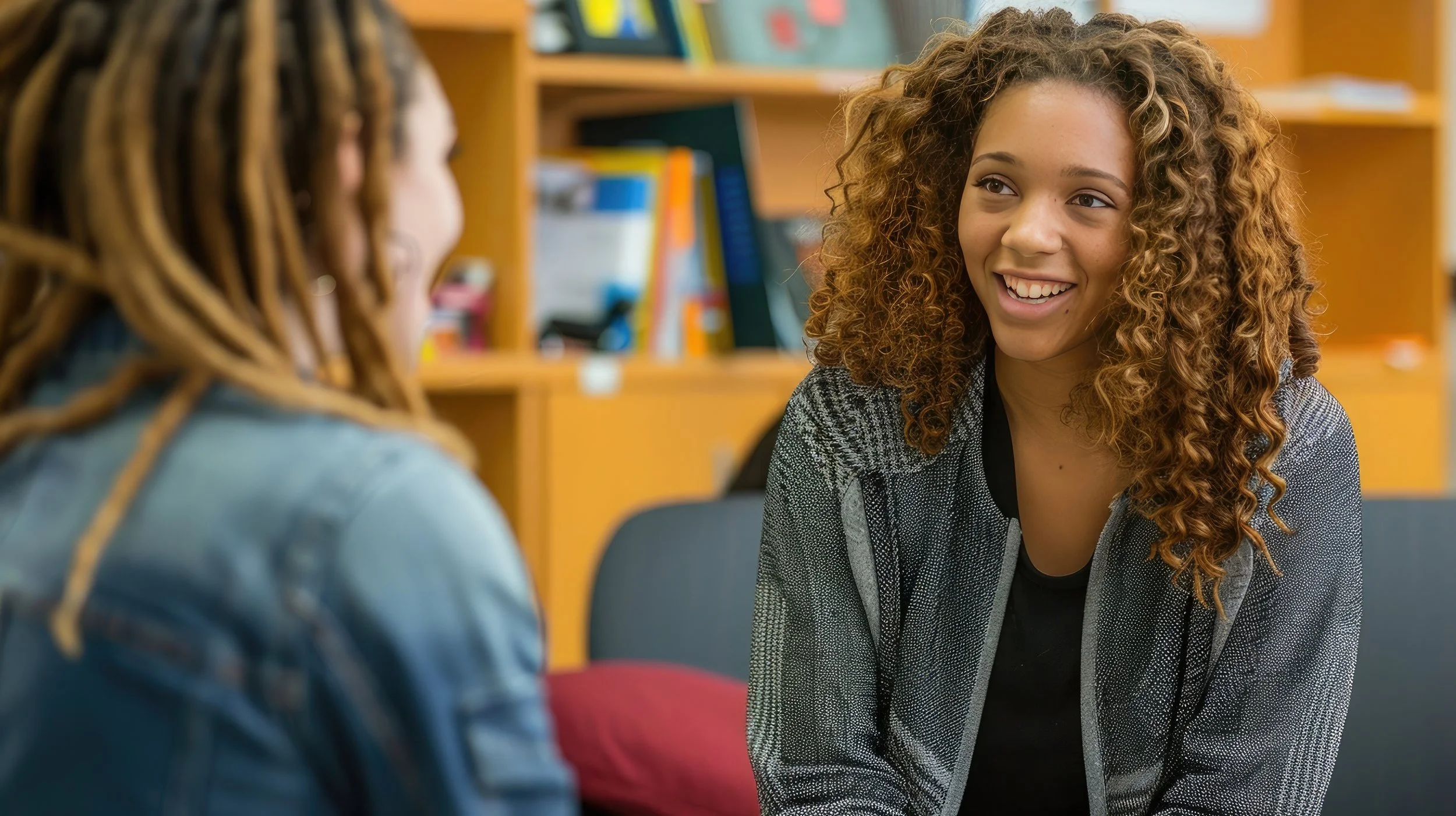
With this light-lift strategy, students will dive into narratives of self and others to offer more nuanced perspectives and feelings around people’s stories. The narratives will mirror the “Humans of New York” series, and students will study a few of them to get a sense of the expectations (e.g., interviewing other students or faculty members). Humans of Your School provides students with opportunities to connect with those different from them, to listen to different stories and try to understand their different perspectives, and to appreciate differences while also finding commonalities.

There are many programs, interventions, services, and resources available that can support student well-being and the development of positive school culture and climate. Before adopting new programs or substantially changing current practices, it is helpful to review and consider school-based programs and resources that are already in place. Doing so helps ensure that services are not duplicative of each other and strategically align to support your school’s vision.
Resource mapping is a strategy for identifying and analyzing the programs, people, services, and other resources that currently exist in your school. This information can help school leaders better assess the needs of the school and to make informed decisions about where to focus change efforts.
By the end of this activity, you will have a deeper understanding of the key programs and resources related to well-being and culture that your school is already utilizing, which will give you a solid foundation for planning.
A growing body of research supports the potential benefits of mindfulness, including stress reduction, emotion regulation, better relationship satisfaction, and improved memory and attention.
Applications of mindfulness, the practice of focusing our attention in a particular way, can be relatively easy to implement and are not time intensive. Given the benefits and feasibility, mindfulness has become increasingly popular across a variety of fields, including medicine, psychology, business, and more recently, in education.
Evaluations of school-based mindfulness practices have shown positive findings, including increased attention, self-control, class participation, and respect for others. Mindfulness practices can also serve as a powerful classroom management tools, reducing stress for teachers and students. Many mindfulness activities can be easily interwoven into routine classroom activities and lessons. They can also be extremely useful during transitions, for example, settling down after beginning a new class. Given the potential benefits and the ease of implementing mindfulness practices, these strategies are well-suited for schools.
While there are many methods of practicing mindfulness, we have provided the following short practices to serve as an introduction. We have also included a list of resources where you may find additional information about mindfulness as well as other mindfulness exercises.

Digital citizenship is a holistic and positive approach to helping children learn how to be safe and secure, as well as smart and effective participants in a digital world. That means helping them understand their rights and responsibilities, recognize the benefits and risks, and realize the personal and ethical implications of their actions.
This resource list offers useful activities, information, websites, programs, and curricula. While we think each of the identified resources contains valuable information, we do not endorse all the recommendations or views in these resources. Some of the resource descriptions listed below have been pulled from organizational websites.

Too often the elderly are invisible to others, and perhaps especially to teenagers. As adults, we can teach students to show respect and to demonstrate compassion towards the elderly by giving students opportunities to better understand the impact of discrimination or apathy toward the elderly. We can also help students develop empathy and practice compassion and respect for the elderly in their day-to-day lives.
The following case study includes a short story from multiple viewpoints and a set of questions designed to facilitate discussion about respecting and caring for the elderly and the importance of maintaining commitments and volunteering for selfless reasons.