
Darkness & Harmony: Exploring Challenges and the Power of Connection through KPop Demon Hunters

Movies and music can help students feel connected to others, feel less alone in their own struggles, and build empathy for those who are different from them. In this series of lessons, students will connect with their peers and reflect individually to analyze themes, symbolism, and emotional connections to the popular film, KPop Demon Hunters.
Whether or not your students have seen the movie, the lessons offer engaging and meaningful activities to help students to reflect on their own connections to the film, learn how to face challenges, and work towards deeper connection with themselves and others.
Download the lessons
Please fill out the form below for access to these free lessons:
Overview
For: Educators, peer leaders, and anyone who works with youth
Grades: 3-5 and 6-12
Resource Type: Multi-part Lesson
This educational lesson is independently developed by Making Caring Common, a program of the Harvard Graduate School of Education, which is not affiliated with the producers, distributors, or rights holders of KPop Demon Hunters. Any references or quotations from the film and its music are included solely for educational purposes under the fair use provisions of U.S. copyright law (17 U.S. Code § 107).
Related resources
This free lesson series helps students reflect on their own connections to the film KPop Demon Hunters, learn how to face challenges that can impact emotions, behaviors, and relationships, and work towards deeper connection with themselves and others.
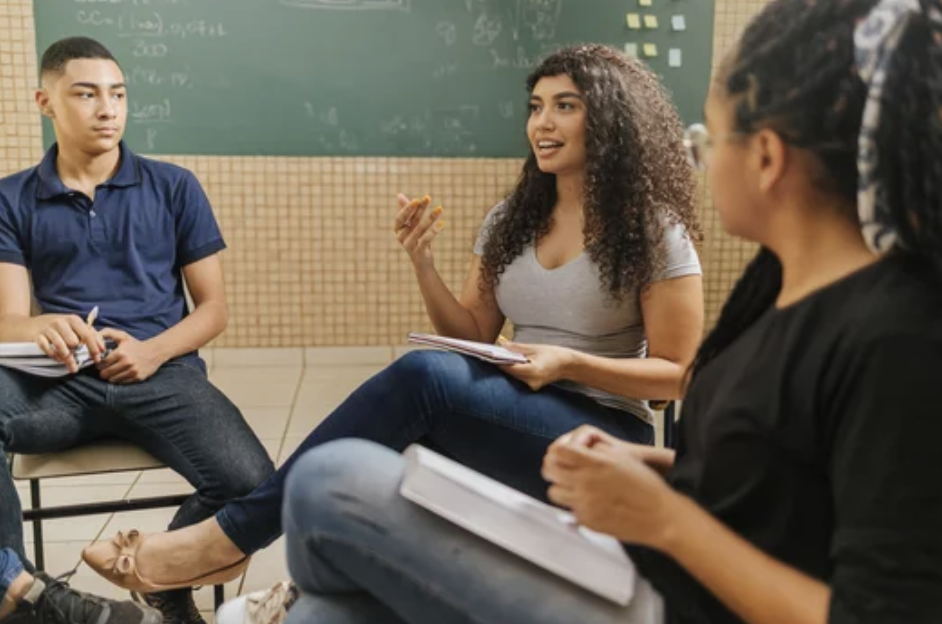
Together with Generation Citizen and Rural Assembly, Making Caring Common developed Navigating Social Issues in the Classroom: A Toolkit for Educators as Community Bridge Builders, a resource for middle and high school teachers and administrators to help them collaboratively prepare students for and engage students in constructive dialogue across their differences.
With this light-lift strategy, students will practice being active, authentic listeners with a partner — listening to make the speaker feel heard and without the need to reciprocate the conversation, but rather, to better understand and communicate with the speaker. By speaking for up to a few minutes, speakers will also get more comfortable sharing about themselves and expressing vulnerability.
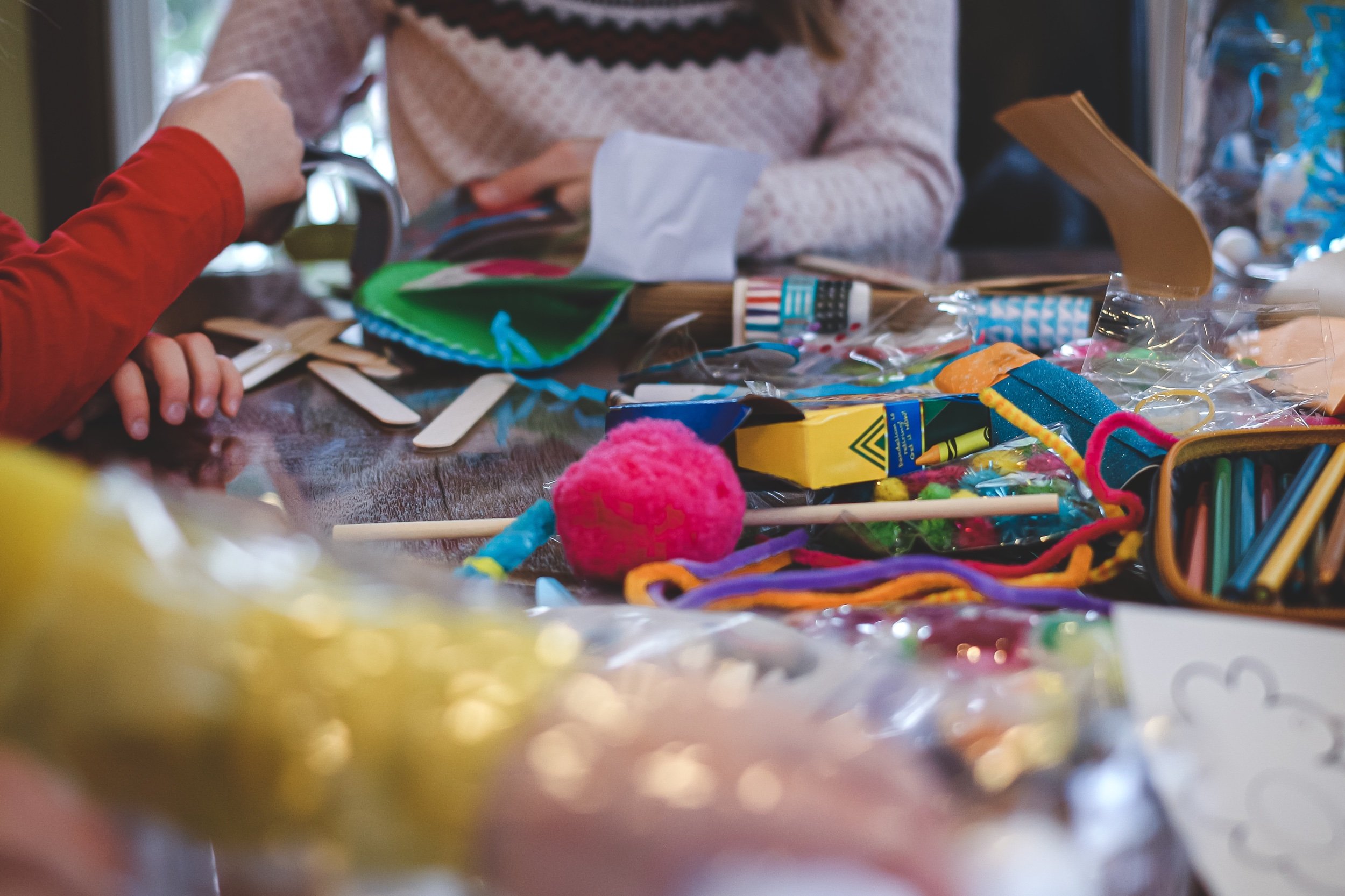
Build-It Challenge can be used regularly with students to promote teamwork and communication.

Newsball is a game that can be used regularly with students to build a foundation for the practice and habit of empathy and active listening, while building classroom community.
This document, intended for letter recommendation writers (especially school counselors and teachers), focuses on writing “character-conscious” letters of recommendation.
This resource is intended for high schools that want to share better, more helpful information about student character with college admission offices. It provides high schools with general information and promising strategies regarding character assessment practices.
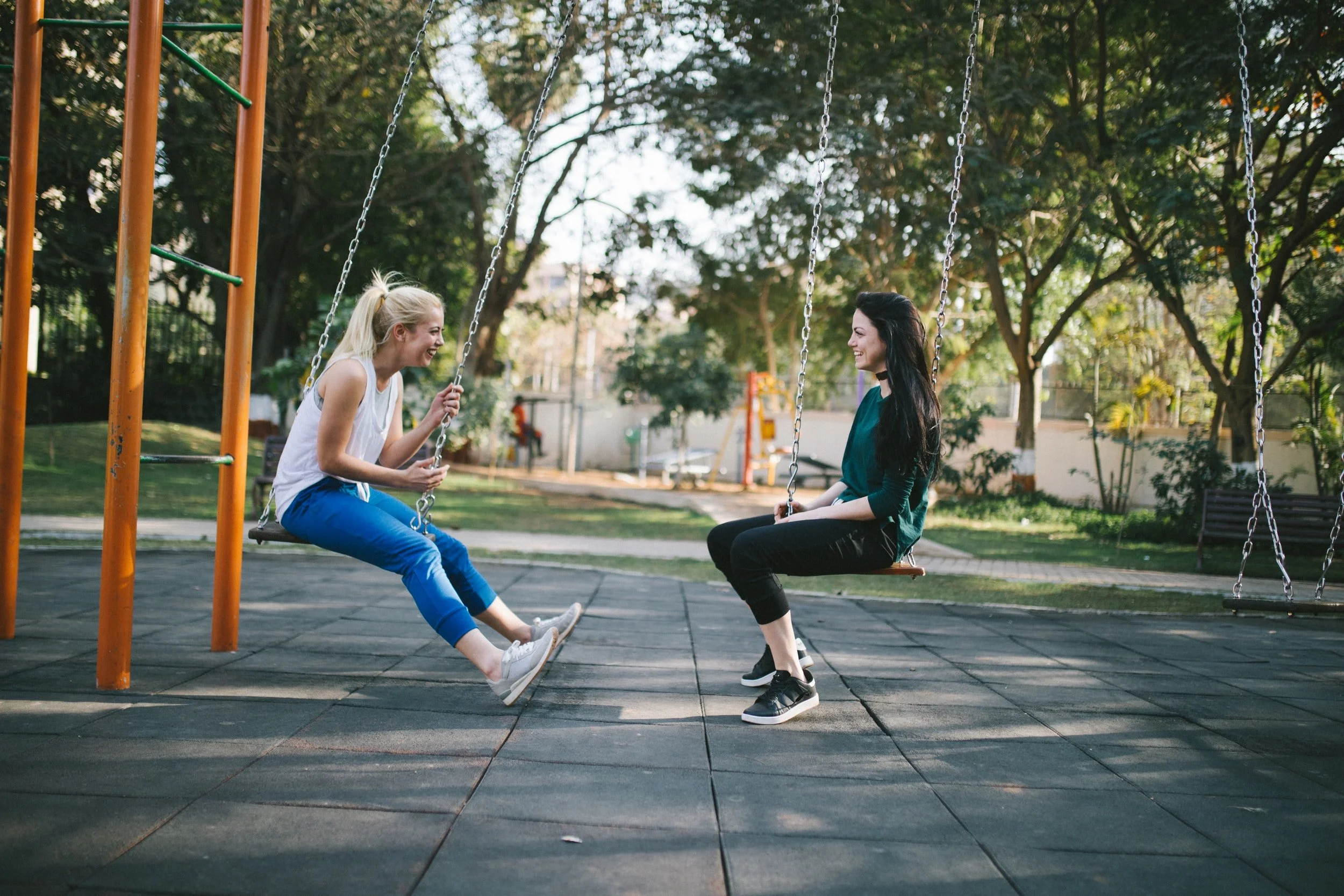
The more students practice active listening, without being in a two-way conversation, the more they’ll come to value showing interest when someone is speaking, trying to understand their thoughts and feelings, and making them feel heard. The personal nature of the listening prompts also sets the stage for student sharing, which can build trust and connection in the classroom.
With this light-lift strategy, students will practice being active, authentic listeners with a partner — listening to make the speaker feel heard and without the need to reciprocate the conversation, but rather, to better understand and communicate with the speaker. By speaking for up to a few minutes, speakers will also get more comfortable sharing about themselves and expressing vulnerability.

With this light-lift strategy, students explore the concept of gratitude through self-reflection and writing thank you notes to people in their lives to recognize things they appreciate about people in their classroom, school, and beyond. Students also engage in activities that encourage them to consider both real and hypothetical situations around the positive things in their lives.

It’s vital that teachers, administrators, and other school adults foster a sense of belonging and community with one another and their students; make informed decisions about what children need to know and understand in order to feel safe; and focus on creating an environment where children can ask the questions that matter to them.
Our classroom check-in survey is a quick, easy, and confidential way for educators to assess student well-being whether they’re in school or learning remotely.

Children and adults alike are predisposed to empathize for those who are in their own social group. Empathy for many different kinds of people is important in its own right and is the basis for children’s developing conceptions of and commitments to fairness and justice. The Circle of Concern strategy is designed to help children — and adults — become more aware of those for whom they don’t have empathy. It is also designed to widen their circle of concern.