

Home
Raising kids who care about others and the common good.
Raising kids who care about others and the common good.
What we do
We partner with families and educators, and work with the media, to share research-informed strategies that help children develop empathy, self-awareness, and a commitment to fairness.
Resources, tools, and networks for


Featured Resources
Combining research, theory, and the wisdom of practitioners, Making Caring Common brings fresh, energizing, and evidence-based resources and activities to schools and parents.

JOIN OUR K-12 SCHOOL PROGRAM
Caring Schools Network
The Caring Schools Network (CSN) is a K-12 school program developed by experts at the Harvard Graduate School of Education and educators nationwide. The CSN empowers K-12 schools with the tools they need to cultivate community, caring, and a more fair world.
LEARN MORE >>

READ OUR LATEST REPORT
Gen Z Wants to Do Good: How Helping Others Supports Meaning and Wellbeing
This new report from Making Caring Common, in collaboration with Gallup and the Walton Family Foundation, topples misconceptions about how Gen Zers think about work, and explores where they find meaning and purpose and factors influencing their mental health.
READ THE REPORT >>

New Turning the tide report
Turning the Tide in 2026: Preparing Students for Lives of Caring and Purpose
Turning the Tide in 2026 makes the case for a key shift in college admissions: College admissions, educators, and parents should elevate the key ethical and civic capacities at the heart of repairing what divides us, our democracy, and our collective well-being.
READ THE REPORT >>
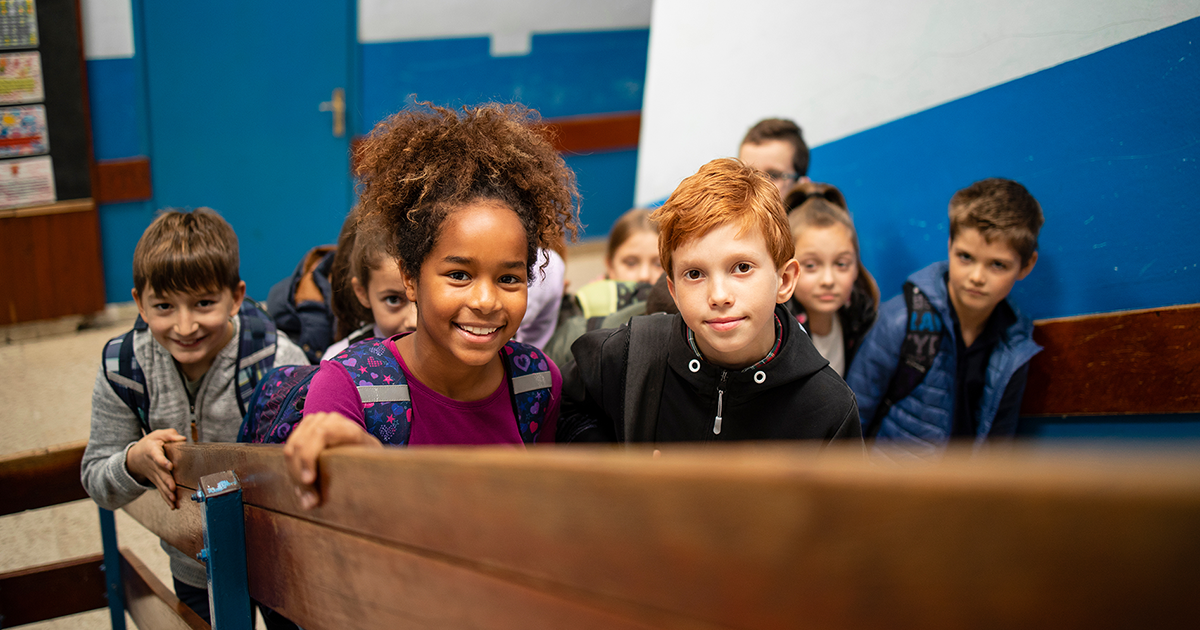
How can parents, caregivers, and teachers start the new school year strong, but not “borrow from tomorrow” in order to make today perfect?
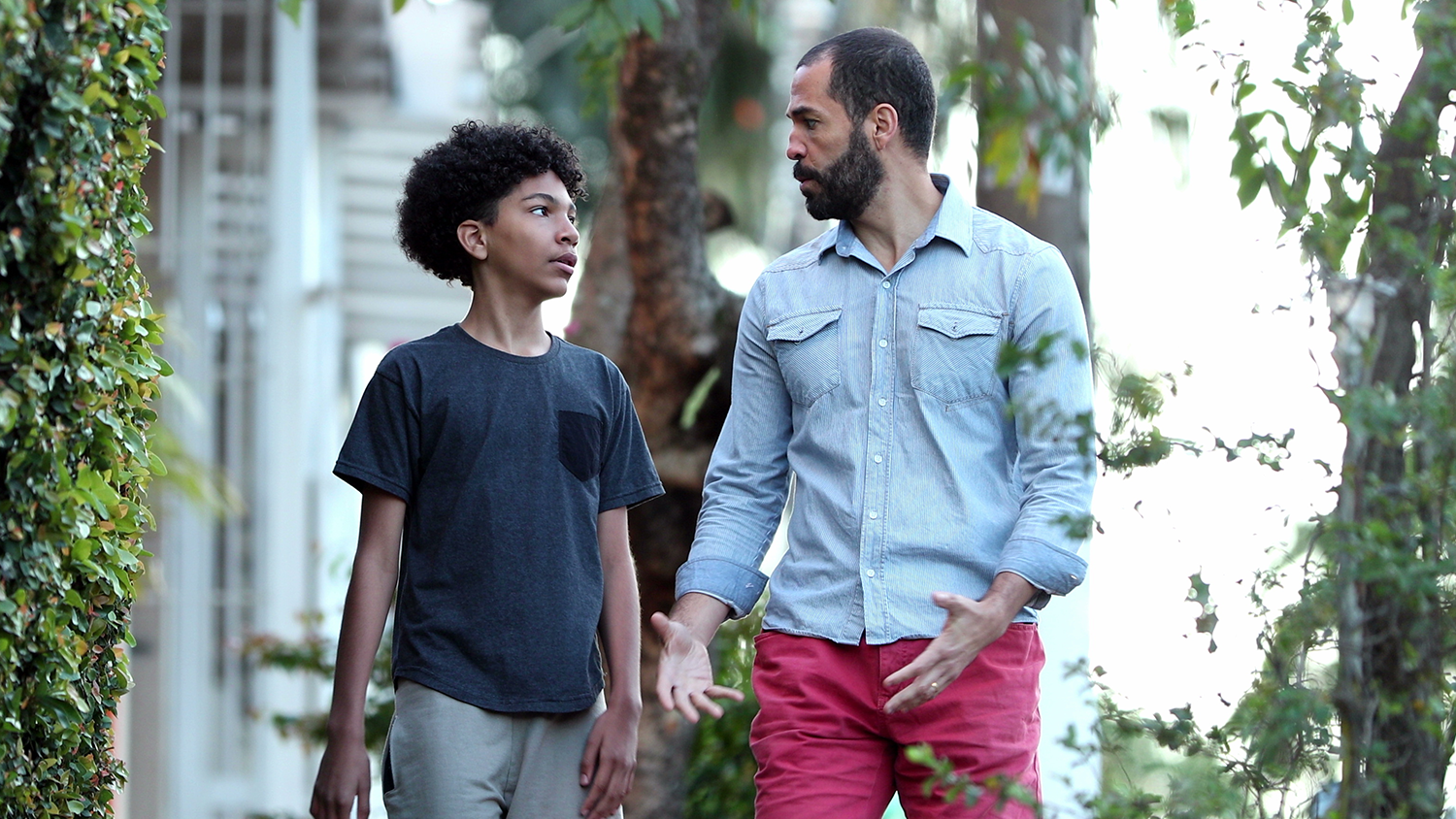
Parents thoughtfully sharing about their own mental health challenges can also encourage teens to open up about their struggles and alleviate the stigma they may feel about anxiety and depression.

There may, in fact, be nothing more important in a child’s life than a positive and trusting relationship with a caring adult. Michael McLaughlin, Making Caring Common’s Schools & Parenting Programs Manager, explores how Intentionally and strategically building these types of relationships at your school can boost students’ academic and social-emotional capacities and even transform lives.

Kiran Bhai, MCC’s Schools & Parenting Programs Director, shares four ways in which each of us can use the late winter to reflect on what matters most, especially our relationships, and get creative about how to nurture connection during these quieter, and sometimes more challenging months.

Making Caring Common’s Milena Batanova and Kiran Bhai discuss with Melissa Higgins, Vice President of Programs and Exhibits at Boston Children's Museum, what empathy means for children and the science-backed strategies for nurturing compassion at home and in schools.

Making Caring Common Faculty Director Richard Weissbourd joins host Jennifer White and fellow guests on the NPR show 1A to explore the connections between caring and mental health, as well as the value of caring for the collective good.

Join Making Caring Common for this free one-hour webinar for school counselors, in which participants will learn about recent research conducted on the school profile with admission officers and counselors, as well as practical suggestions and concrete tools for building effective school profiles.

If you’re weighing whether or not to apply or considering what to include in your application responses, Making Caring Common’s current Youth Advisory Board members have some advice for you!

Milena Batanova, Making Caring Common's Director of Research & Evaluation, shares with Where Parents Talk host Lianne Castelino what MCC's research reveals about the loneliness epidemic in the U.S. and its impact on young people's mental health and overall wellbeing.

The New York Times Opinion Columnist and author David Brooks attended a recent Making Caring Common convening and wrote about his experience and insights in “The Character-Building Toolkit.”
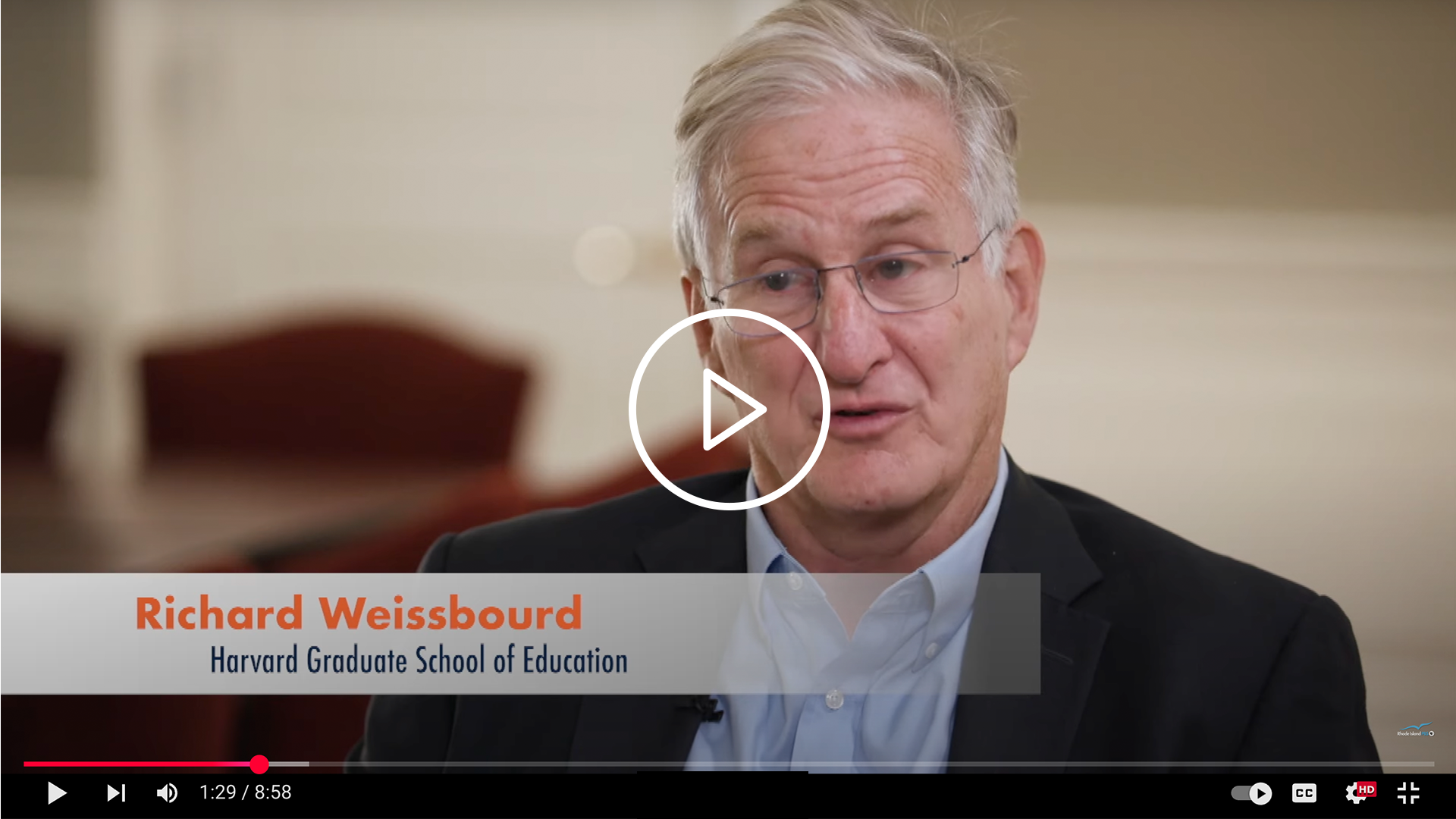
PBS Rhode Island recently spoke with Richard Weissbourd, Director of Making Caring Common, to learn more about loneliness amongst young adults and profile an innovator seeking changes in how people connect with one another.

Vox’s Allie Volpe spoke with Making Caring Common Director Richard Weissbourd and other experts to explore the challenges of “Nostalgia-focused guidance” on loneliness, along with practical steps based in modern realities.

Is true change possible? And how can change in our lives lead to either disillusionment or flourishing? Making Caring Common’s Richard Weissbourd and other guests recently discussed the topic on the Harvard Thinking podcast, hosted by Samantha Laine Perfas.

Taking someone else’s vantage point can be mentally taxing. Upholding empathy as a social norm motivates people to make the effort. Scientific American visits one of the schools from our Caring Schools Network to explore further.

Parent-Teacher conferences offer the opportunity to build a supportive, collaborative relationship with your child’s teacher and bring up any questions or concerns you might have about your child’s academic, social, and emotional development. Use these four tips to foster a strong community around your child’s education and well-being, as well as to foster a compassionate partnership with your child’s teacher.

Is it possible to cure the loneliness epidemic? Michael Smerconish talks to our Director Richard Weissbourd to find out.

They’re more depressed, more anxious, and lonelier than any other age group in America—but their distress has gone widely unnoticed, writes Faith Hill. She cites our On Edge report and speaks with Director Rick Weissbourd for this piece in The Atlantic.

They’re more depressed, more anxious, and lonelier than any other age group in America—but their distress has gone widely unnoticed, writes Faith Hill. She cites our On Edge report and speaks with Director Rick Weissbourd for this piece in The Atlantic.

Matthew Shaer investigates the roots of loneliness--including MCC's forthcoming research--in this New York Times Magazine piece.

Navigating and understanding emotions is a journey, and giving your child the space and language to express themselves can help them navigate the ups and downs of life in the future.